Hyundai will begin working with solid-state batteries in 2025
 Javier Cantagalli
30 December 2024
2 min.
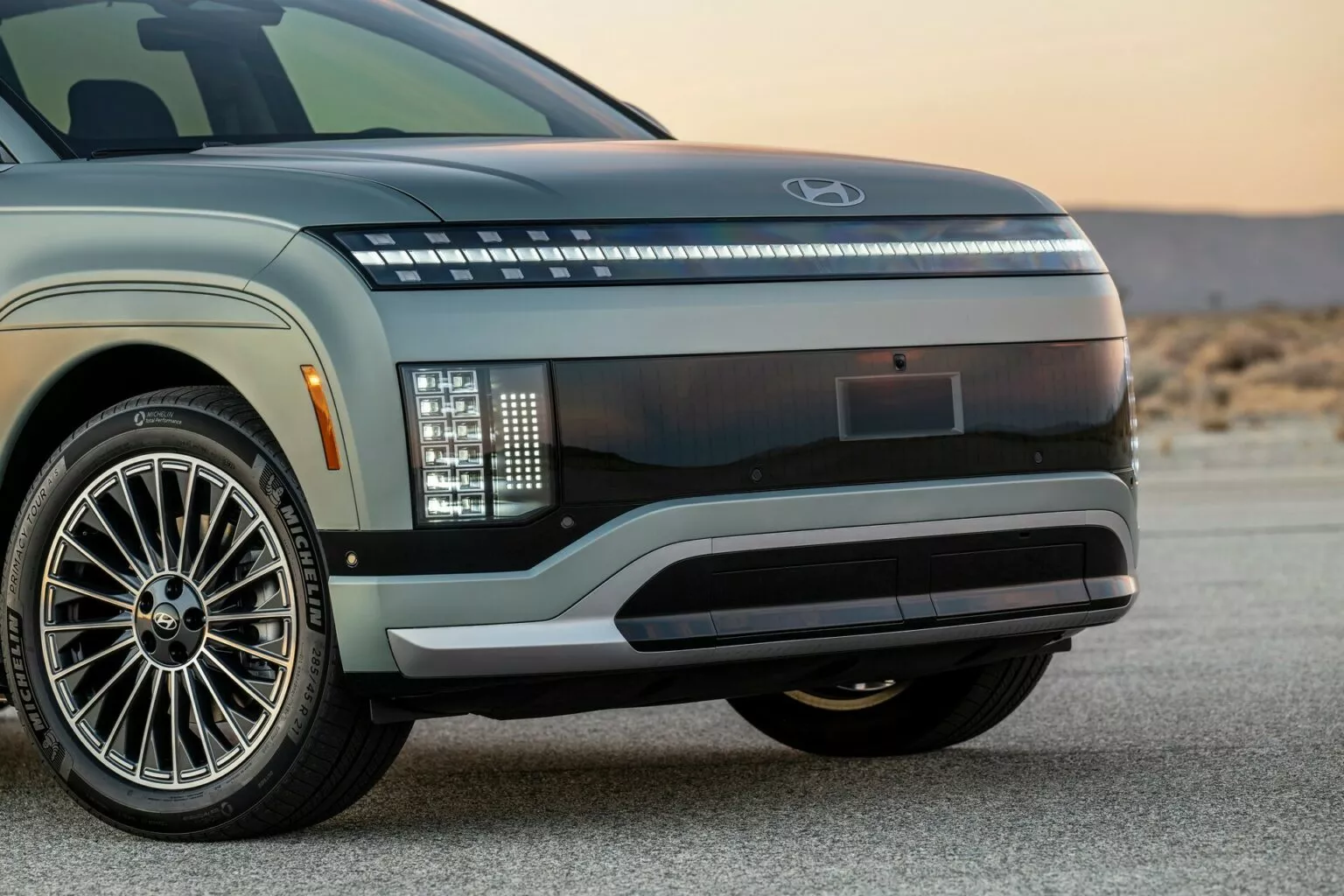
The South Korean manufacturer does not want to be left behind when the next major leap in battery technology for electric vehicles takes place in the coming years.
In the coming years, unless some unexpected obstacle arises along the way to prevent it, the transition to electric mobility will receive a strong boost thanks to the introduction of a new battery technology. We are referring, as you are probably already imagining, to what are known as solid-state batteries. These batteries will offer, among other advantages, a higher energy density, a lower level of degradation and also a higher level of safety, as they are not flammable.
Major car manufacturers such as Toyota, Honda or Nissan are already taking some steps with the aim of implementing this type of battery in the more or less near future. And now, a new report published by South Korean media suggests that Hyundai does not want to be left behind either and is also preparing to begin working with them.
According to the same media outlets, the Hyundai Motor Group is already in the final phase of launching a pilot production line for solid-state batteries at its Uiwang Research Institute, in Gyeonggi-do, South Korea. The report mentions that the installation of the necessary equipment is almost ready and that only the automation of the logistics facilities would remain to be completed. Large-scale operations are expected to begin next January, which will allow these solid-state batteries to start being used in test vehicles before the end of 2025.
The promised future is getting closer and closer
Solid-state batteries use a solid electrolyte instead of the traditional liquid or gel, improving safety, energy density and durability. Hyundai will thus follow a strategy similar to that of Honda, which already has an almost-ready production line in the Japanese city of Sakura; just like Toyota, which aims to be one of the first manufacturers to start producing solid-state batteries.
Globally, China will certainly also have a lot to say in this field, since it is currently leading the market for so-called New Energy Vehicles (NEVs). These are fully electric and plug-in hybrid models. Sales of this type of vehicle are expected to grow by up to 20 percent next year, 2025, reaching a total volume that should be around 12 million units.
If this finally turns out to be the case, China will thus exceed its own initial targets set for 2025, taking a significant lead in the transition to electric mobility over Western markets. An advanced position that it will surely not want to lose in the face of the advance of new battery technologies, such as solid-state ones.

 The seven finalists for the 2027 European Car of the Year (COTY) are exclusively electric
 Peugeot E-208 GTi: a battery-powered toy that revives the spirit of the 1980s sports cars
 New Lexus ES: luxury grows and goes electric
Deja un comentario