Kia renews the Niro and bets exclusively on hybrid technology
 Rafa Guitart @GuitartRafa
24 June 2026
4 min.
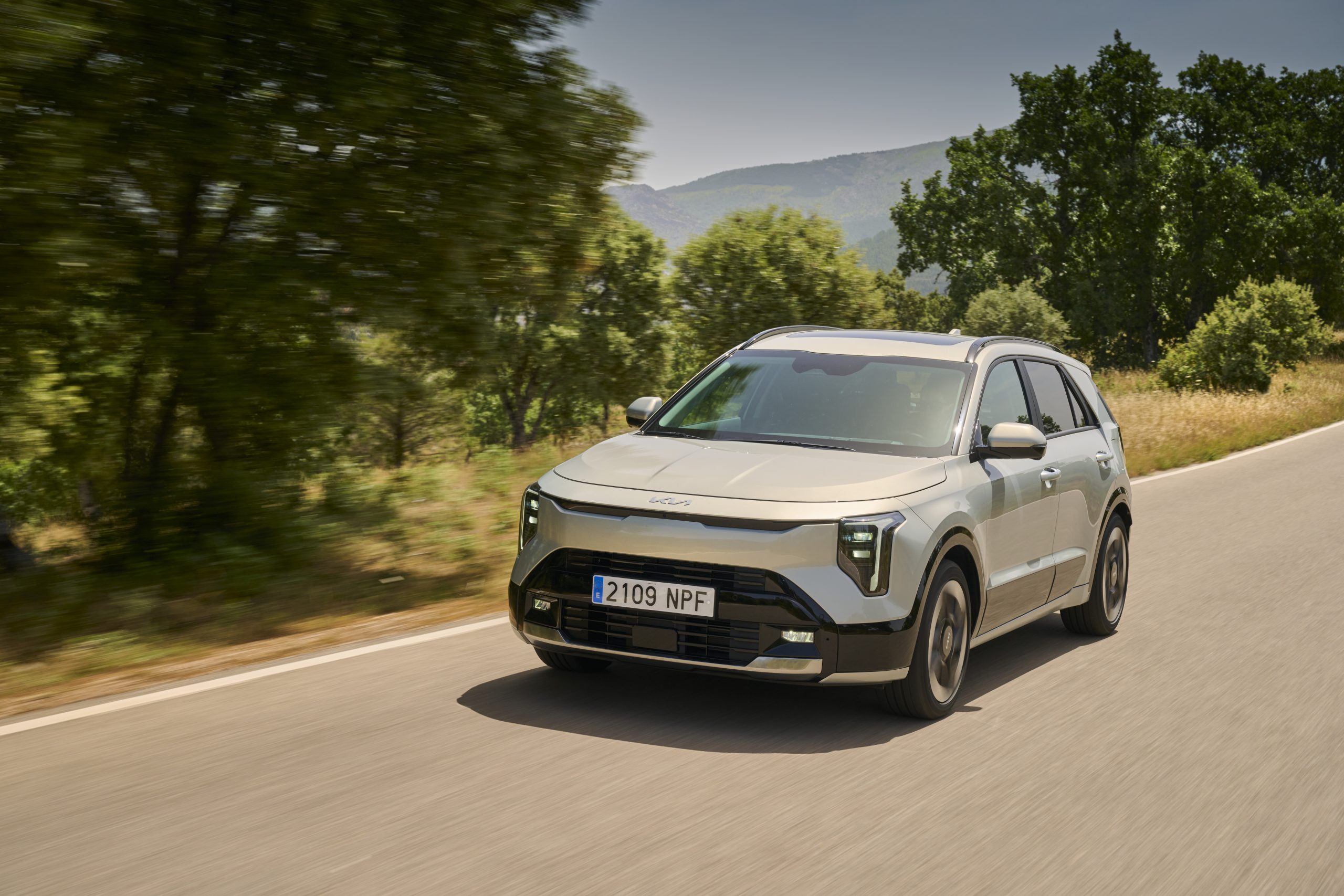
Kia’s compact SUV gets a new design, more equipment and a simplified range that drops the plug-in hybrid and electric versions
Kia has unveiled the update to the Niro, one of the most important models in its range in Europe and Spain, which enters a new stage with a thorough aesthetic overhaul, more technology and a simplified product strategy. The main news is that the compact SUV will now be offered exclusively with conventional hybrid powertrain (HEV), with the plug-in hybrid (PHEV) and 100% electric (EV) variants disappearing from the range.
The decision represents a significant change for a model that, since its launch in 2016, had stood out precisely for offering three different electrified technologies. However, Kia considers that the hybrid version has established itself as the preferred choice of European and Spanish customers, which is why the renewed Niro focuses its entire offer on this powertrain.
According to the brand’s data, the Niro has accumulated more than 620,000 units sold in Europe and more than 76,650 registrations in Spain since its arrival on the market. So far this year, it has also become the third best-selling Kia model in our country.
A more modern and technological design
The update introduces an image more aligned with Kia’s “Opposites United” design language. The front features a new vertical light signature with LED technology, a redesigned grille and newly styled bumpers that give a more robust appearance.
At the rear, the tailgate has been completely redesigned to offer a cleaner and more modern look, reinforced by new light clusters and a greater visual sense of width.
Dimensions barely change compared with the previous model. The Niro now measures 4.43 metres in length, keeps a wheelbase of 2.72 metres and offers a 430-litre boot, expandable up to 1,424 litres with the rear seats folded down.
More connectivity and digitalisation
The interior also receives important improvements. Notably, the new Connected Cockpit Navigation system features a 12.3-inch panoramic dual screen that integrates the instrument cluster and infotainment.
Among the available technology features are wireless connectivity with Apple CarPlay and Android Auto, OTA remote updates, smartphone digital key, wireless charging for mobile phones, a Head-Up Display system and 360-degree camera.
The brand has also redesigned the steering wheel, centre console and part of the dashboard to offer a more modern and functional environment.
A single 138 CV hybrid engine
Under the bonnet, the new Niro relies on a single hybrid powertrain consisting of a 1.6 GDi petrol engine combined with an electric motor, unchanged from the hybrid version of the previous generation.
The system produces a combined output of 138 CV and sends power to the front axle through a six-speed dual-clutch automatic gearbox. Kia homologates consumption between 4.6 and 5.1 litres per 100 kilometres and CO₂ emissions from 103 g/km, depending on the trim.
Top speed reaches 170 km/h and acceleration from 0 to 100 km/h takes 11.3 seconds.
More standard safety
The technology equipment is also expanded in terms of safety. From the entry-level versions it includes systems such as lane keeping assist, adaptive cruise control, traffic sign recognition, autonomous emergency braking and blind spot detection.
The higher trims add advanced features such as the HDA 2 highway driving assistant, blind-spot monitor integrated into the instrument cluster, 360-degree camera or the remote parking system via key.
From 24,410 euros
The Spanish range is structured in three trim levels: Concept, Drive and Emotion.
The recommended price starts at 34,750 euros for the Concept trim, although launch promotions can bring the bill down to 24,410 euros. The Drive starts at 27,460 euros with discounts included, while the top-of-range Emotion is priced at 31,610 euros.
With this renewal, Kia reinforces the Niro’s position within the electrified C-SUV segment, although it does so by betting exclusively on conventional hybrid technology.
Image gallery
Technical specifications of this car

 Peugeot E-208 GTi: a battery-powered toy that revives the spirit of the 1980s sports cars
 New Lexus ES: luxury grows and goes electric
 First contact with the Dacia Sandero Hybrid 155: power and efficiency from €19,890
Deja un comentario