Audi BMW e-tron EQA EX40 Genesis GV60 iX1 Mercedes Q4 Q4 e-tron Volvo XC40 Electric Cars Comparisons Rankings SUV
Ranking 2026: the 6 premium electric compact SUVs with the best real-world range under 60,000 euros
 Iván Navarro
27 October 2026
5 min.
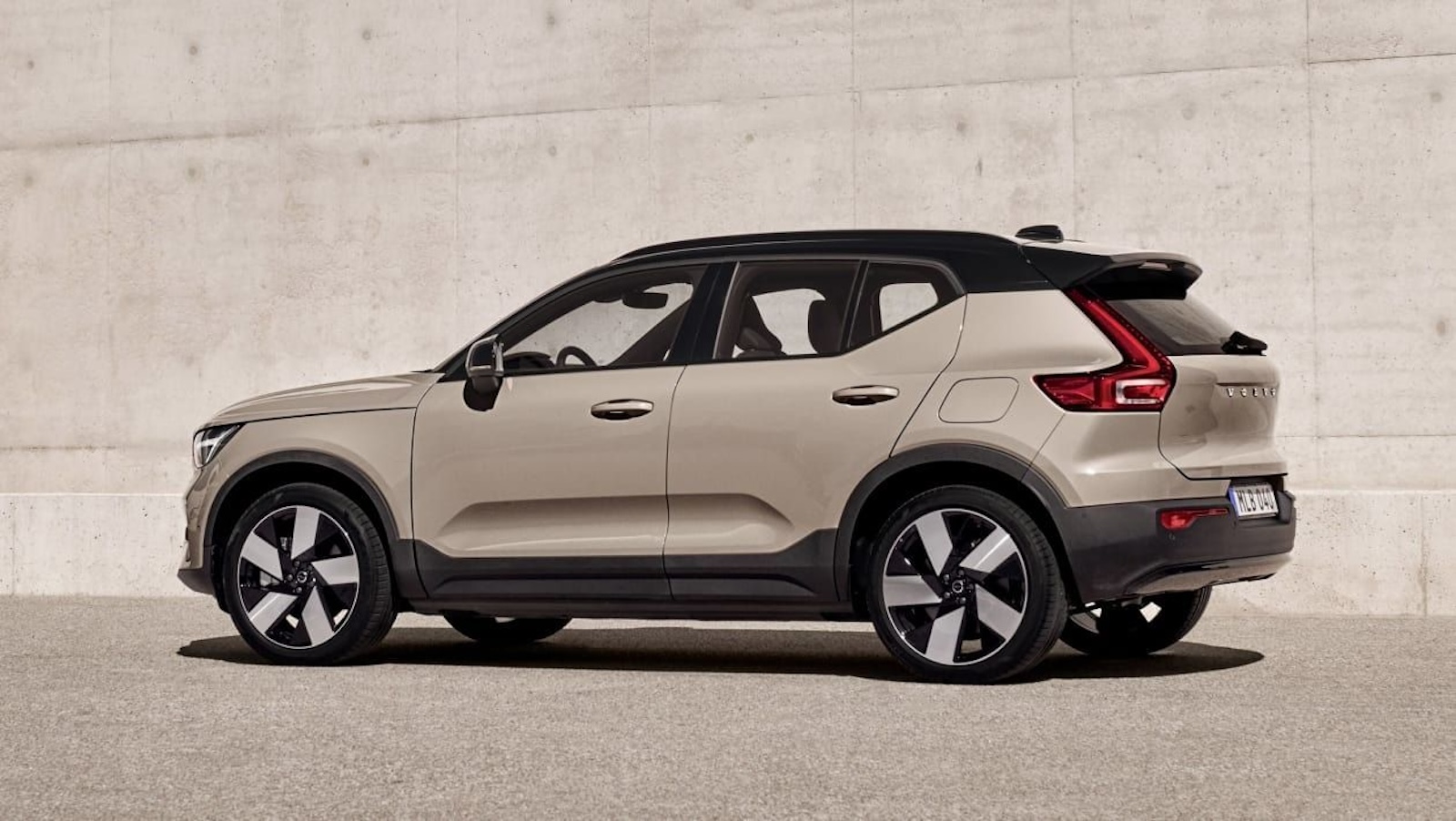
2026 comparison of the most efficient premium electric compact SUVs for less than 60,000 euros, ranked by real-world motorway range rather than WLTP figure. Includes usable battery capacity, DC charging power and final price with the Cero DGT label.
For years the WLTP figure has been the number catalogues sell. The one that really matters, the one that decides whether you reach the next charging station or sit staring at the odometer with a cold sweat, is a different one. That is why at Highmotor we wanted to build this 2026 ranking on a different criterion: real-world range on the motorway, at cruising speed, with the air conditioning on. Not the number on the brochure.
We have filtered the premium electric compact SUV segment sold in Spain today for less than 60,000 euros. Nothing more expensive, and no model from another market that has yet to reach a Spanish dealership. Six cars, six different brands, one single ranking criterion: how many real kilometres each battery delivers before it needs a plug.
How we built this ranking: real-world range versus WLTP
The WLTP cycle measures under laboratory conditions that rarely match a Spanish motorway at 120 km/h, with air conditioning on and a normal passenger load. In practice, the gap between the homologated figure and real-world range tends to be around 20-25% lower, more so in cold weather or when sustained high speeds are maintained.
For this ranking we have taken the verified average motorway consumption of each model, cross-referenced it with the usable battery capacity — not the gross figure, which is always higher — and ordered the list by that result. We also include DC charging power, because a large battery is of little use if it takes an eternity to recover energy on a long journey.
The 2026 ranking: 6 premium electric compact SUVs by real-world range
1. Volvo EX40 — from 51,000 €
The Volvo EX40, the direct successor to the XC40 Recharge, tops the table. Its 82 kWh battery (≈79 kWh usable) and carefully refined aerodynamics allow it to come close to 440 real-world kilometres on the motorway, the best figure in the group. It is not the fastest SUV to charge, but its overall efficiency makes up for it.
| Power (kW) | Power (CV) | Real-world range | DC charging | Label | Fuel |
|---|---|---|---|---|---|
| 185 | 252 | 440 km | 205 kW | Zero | Electric |
2. Audi Q4 e-tron — from 55,570 €
The Q4 e-tron plays a different card: balance. With 77 kWh usable and a charging power of 165 kW, it chains long journeys together without fuss. We have already compared it head-to-head with the Volvo in a direct duel between the two, and the conclusion still holds: neither excels at everything, but both more than deliver on real-world range.
| Power (kW) | Power (CV) | Real-world range | DC charging | Label | Fuel |
|---|---|---|---|---|---|
| 210 | 286 | 430 km | 165 kW | Zero | Electric |
3. Mercedes EQA — from 56,450 €
The EQA, despite being the model with the greatest commercial track record in this ranking, does not age badly. Its moderate motorway consumption keeps it in third place, although its 100 kW DC charging is starting to fall short compared with newer rivals.
| Power (kW) | Power (CV) | Real-world range | DC charging | Label | Fuel |
|---|---|---|---|---|---|
| 140 | 190 | 420 km | 100 kW | Zero | Electric |
4. BMW iX1 eDrive20 — from 50,300 €
The iX1 is, to my taste, the most fun to drive of the six. That said, that dynamic vocation takes its toll on consumption at motorway speeds, and its smaller battery — 66.5 kWh gross — leaves it in fourth position.
| Power (kW) | Power (CV) | Real-world range | DC charging | Label | Fuel |
|---|---|---|---|---|---|
| 150 | 204 | 370 km | 130 kW | Zero | Electric |
5. Genesis GV60 — from 55,900 €
The GV60 has arguments that do not appear in this table: an 800V architecture, ultra-fast charging and an interior that feels a step above its price. But in real-world range, its approach, oriented more towards fast charging than pure efficiency, places it fifth.
| Power (kW) | Power (CV) | Real-world range | DC charging | Label | Fuel |
|---|---|---|---|---|---|
| 168 | 229 | 355 km | 235 kW | Zero | Electric |
6. Zeekr X — from 37,990 €
Closing the ranking is the Zeekr X, the most affordable of the group and also the one offering the best price-to-equipment ratio. Its real-world range is shorter, yes, but it is offset by a price that leaves plenty of room below the 60,000 euro ceiling. If this territory interests you, it is worth reviewing first how to choose a premium Chinese electric SUV without exceeding 60,000 euros.
| Power (kW) | Power (CV) | Real-world range | DC charging | Label | Fuel |
|---|---|---|---|---|---|
| 200 | 272 | 345 km | 130 kW | Zero | Electric |
Comparative summary table
| Model | Real-world range | DC charging | Price from | Score |
|---|---|---|---|---|
| Volvo EX40 | 440 km | 205 kW | 51,000 € | 9.2 |
| Audi Q4 e-tron | 430 km | 165 kW | 55,570 € | 9.0 |
| Mercedes EQA | 420 km | 100 kW | 56,450 € | 8.3 |
| BMW iX1 eDrive20 | 370 km | 130 kW | 50,300 € | 8.0 |
| Genesis GV60 | 355 km | 235 kW | 55,900 € | 8.1 |
| Zeekr X | 345 km | 130 kW | 37,990 € | 8.4 |
What to look at before buying: usable battery, DC charging and Cero label
Not all batteries with the same gross capacity perform equally. Always check the usable capacity, which is usually between 7% and 10% lower. And do not be dazzled solely by the peak charging kW: that peak figure lasts seconds; what matters is the sustained curve between 10% and 80%.
All six models in this ranking carry the DGT Cero label, which in practice means access to low-emission zones without restrictions and, in many municipalities, discounts on regulated parking.
If the purchase depends on a public subsidy, it is advisable to check the current conditions of the Plan Auto+ on the official website before settling your budget: amounts and requirements change fairly often, so do not trust figures from months ago.
Frequently asked questions
Which premium electric SUV has the most real-world range for less than 60,000 euros?
According to this 2026 ranking, the Volvo EX40 leads with around 440 real-world km on the motorway, followed very closely by the Audi Q4 e-tron.
Is the WLTP range of these SUVs reliable?
It serves as a comparative reference between models, but on the motorway at sustained speed it tends to fall between 20% and 25% short of what is actually achieved.
Is it worth paying more for an 800V architecture like the one in the Genesis GV60?
It depends on use. If you frequently make long journeys, ultra-fast charging pays off; if your use is mostly urban, the difference barely shows in day-to-day driving.
Do all these models carry the DGT Cero label?
Yes, all six SUVs in this ranking are pure electric and carry the Cero label, with unrestricted access to Spanish low-emission zones.
Technical specifications of the cars in this article


 Kia offers an electric range of 10 models, 50 versions and 400 possible combinations
 The seven finalists for the 2027 European Car of the Year (COTY) are exclusively electric
 Peugeot E-208 GTi: a battery-powered toy that revives the spirit of the 1980s sports cars
Deja un comentario