Scania demonstrates 750 kW bidirectional charging
 Javier Cantagalli
29 May 2026
2 min.
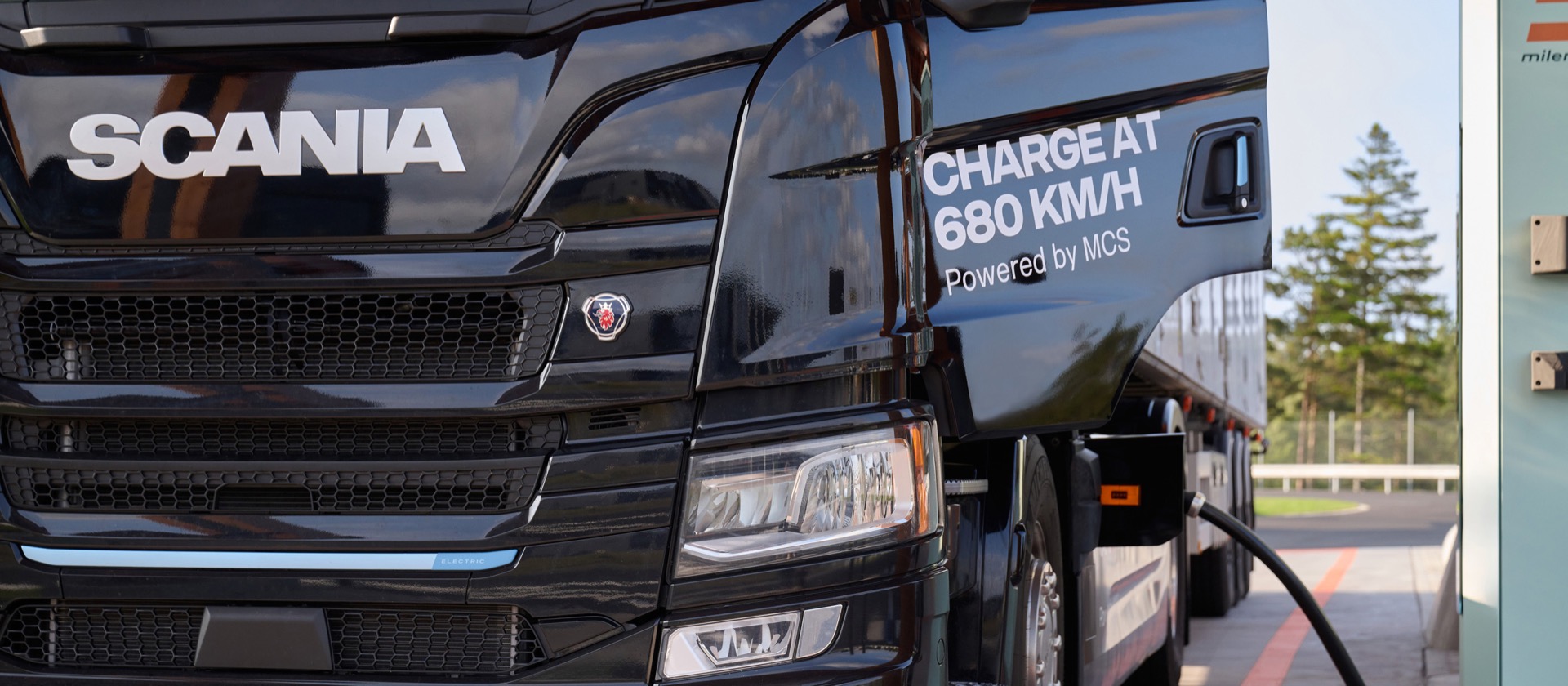
Scania is making steady progress in the electrification of heavy transport, showing that electric trucks can be much more than simple means of transport, becoming an active part of the solution during peaks in energy demand.
Scania has carried out one of the first global demonstrations of bidirectional energy transfer with heavy trucks using the MCS –Megawatt Charging System– charging system. The Swedish brand achieved a maximum transfer power of 750 kW in Vehicle-to-Grid (V2G) mode, that is, sending energy from the truck back to the electricity grid.
This test was carried out with an electric truck registered in Sweden and represents a significant advance, since the MCS is the new generation of ultra-fast charging designed specifically for heavy electric vehicles. It is worth recalling that just a few weeks ago, a project in Germany had already demonstrated bidirectional charging with a MAN truck, but in that case a transfer power of only 325 kW was achieved, using the conventional CCS connector.
Scania uses the same batteries as MAN, which allow a maximum power of 375 kW with CCS and up to 750 kW with MCS. This latter standard is key to the future of long-distance electric transport, as it will allow trucks not only to be charged very quickly, but also to be turned into active resources for the energy system.
“Electric trucks will not only consume electricity, but they will be able to become an active resource for the grid. This will allow fleet operators to move beyond being mere transporters and also offer energy flexibility at times of high demand.”
Technology of the future
The demonstration stands out for combining the high power of MCS with intelligent real-time communication between the truck, the charger and the energy management systems. This dynamic control capability makes it possible to coordinate charging and discharging according to transport needs and grid conditions.
This is the first time that Vehicle-to-Grid bidirectional charging has been achieved using the MCS standard in heavy commercial vehicles. For Scania, the most logical use case for this technology will be fleet depots, where vehicles remain parked for long periods and energy can be optimised according to grid demand.
Separately from this test, Scania has just announced new battery configurations. It now offers the option of installing a seventh battery pack under the driver’s cab, which enables ranges that, in specific cases, far exceed 800 km.


 Peugeot E-208 GTi: a battery-powered toy that revives the spirit of the 1980s sports cars
 New Lexus ES: luxury grows and goes electric
 First contact with the Dacia Sandero Hybrid 155: power and efficiency from €19,890
Deja un comentario