The new Android Automotive OS no longer controls only your vehicle's infotainment system
 Javier Cantagalli
30 March 2026
2 min.
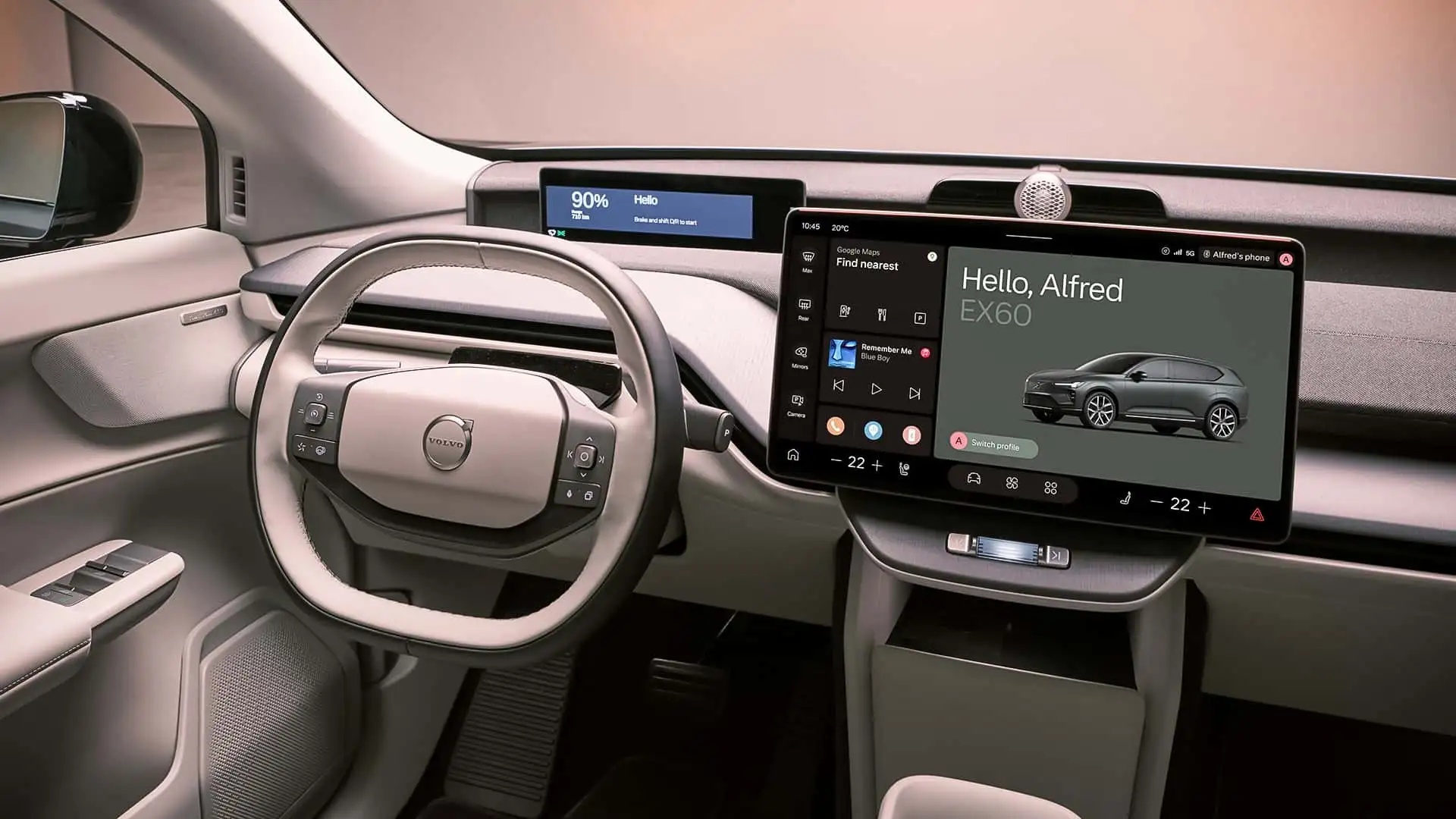
This new version of Android Automotive goes one step further and also promises to reduce costs, speed up development and enable smarter update availability.
Google seeks to turn its Android Automotive OS into the central brain of future vehicles, no longer being only the platform that runs today in the infotainment systems of many brands’ vehicles, such as Volvo, Polestar or Renault, among others.
To achieve this, the big G has presented a new open-source version of Android Automotive OS for Software-Defined Vehicles (AAOS SDV). This solution has been designed specifically so that car manufacturers can integrate more technology into their next models faster and, above all, at a much lower cost.
Until now, Android Automotive OS was limited to communicating with the different vehicle modules and displaying their status on the central infotainment screen. Each component ran its own software and sent data to the central system, which Android accessed indirectly.
Increasingly intelligent vehicles
With the new version for software-defined vehicles, Google intends for its system to take direct control of all functions unrelated to driving. In this way, AAOS SDV will become the true brain of the car, directly managing elements such as the seats, the climate control, the lighting, the screens and other systems, without depending on the limitations imposed by third-party components.
According to Google, this architecture will allow manufacturers to send much faster and more precise OTA updates, targeted at specific vehicle components and not just the entertainment system. Among the advantages are more advanced voice assistants with Artificial Intelligence, proactive maintenance alerts, personalized driver profiles and the ability to remotely precondition the cabin easily.
In addition, thanks to the virtualization technology integrated into AAOS SDV, developers will be able to create and test the code of the different components even before the physical hardware is available. This facilitates the simultaneous work of teams located in different parts of the world, streamlining the entire development process.
The new version of Android Automotive OS is already running in the Renault Trafic e-Tech electric van and will be available to other manufacturers throughout this year.


 Peugeot E-208 GTi: a battery-powered toy that revives the spirit of the 1980s sports cars
 New Lexus ES: luxury grows and goes electric
 First contact with the Dacia Sandero Hybrid 155: power and efficiency from €19,890
Deja un comentario