The shortage of engineers is causing difficulties for Volkswagen in meeting the WLTP standards
 Guillermo Lopez
16 August 2018
2 min.
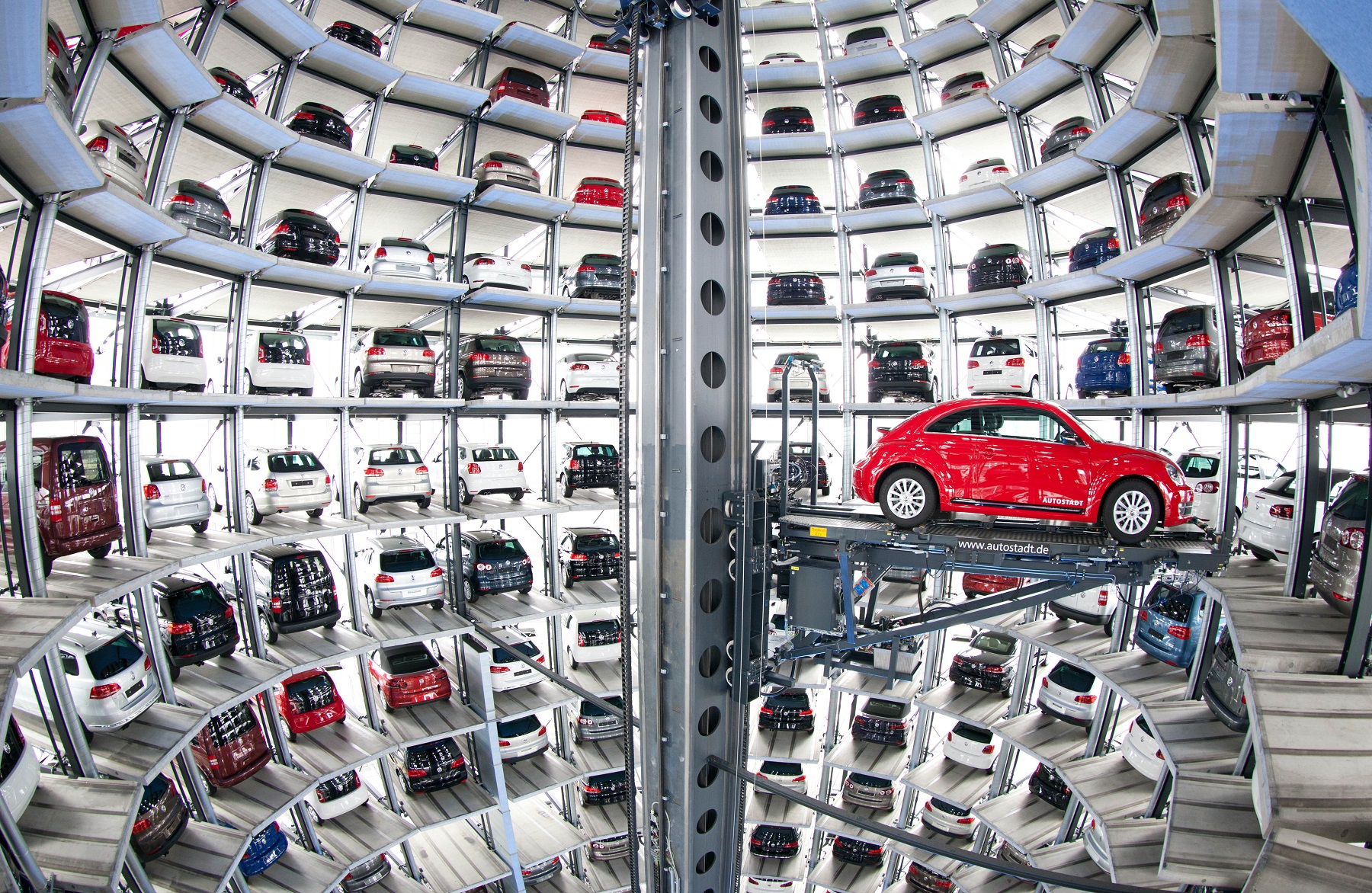
The high number of engineers who have left the brand is causing serious problems for Volkswagen in meeting the WLTP standards by September
Since September 2015, when the dieselgate scandal broke, and after Volkswagen admitted its guilt in the matter, numerous engineers specialising in engines have gradually left the group, causing a significant loss in the group’s capacity to work on new engine models and generations that meet the strict WLTP emissions limits.
According to the new CEO of Volkswagen, Herbert Diess, the Volkswagen group “has lost its experience in engine development“, and it has done so at a particularly difficult time, when “obtaining engines certified for road use has become much more difficult”, especially now that they are subject to the new Worldwide Harmonised Light Vehicles Test Procedure (WLTP tests), which will come into force this coming September.
This situation explains the recent signing of Markus Duesmann, an engine development expert from the BMW Group, to try to overcome the problem. A problem that the Volkswagen Group has already acknowledged, after announcing a few days ago that the accumulated delays in the road certification of its engines will cause significant bottlenecks in the production lines for certain models in the coming quarter (August-October). “As the use of our plants’ capacity is affected, there will be days when they are closed during this period,” Diess admitted.
And although the brand’s executives are currently working hard to keep their delivery commitments, meeting them normally will be quite difficult. According to the German group’s finance director, “resolving these bottlenecks will cost the group more than 1,000 million euros”.
In June, the Volkswagen group warned that the production of almost a quarter of a million cars will be delayed due to the application in September of the new WLTP regulations, which is why it has been forced to rent lots to store the vehicles it cannot sell until the necessary modifications are made to them.
The introduction of the WLTP tests makes passing the emissions and consumption tests both more difficult, and also slower and more laborious for each model, since a single generic test per model is no longer enough; a specific one is carried out for each model, depending on both the tyre size it fits or may fit and whether or not the air conditioning is switched on during the test, among many other details.


 The seven finalists for the 2027 European Car of the Year (COTY) are exclusively electric
 Peugeot E-208 GTi: a battery-powered toy that revives the spirit of the 1980s sports cars
 New Lexus ES: luxury grows and goes electric
Deja un comentario