7 bad habits you should avoid if you don't want your car to end up in the workshop
 Guillermo Lopez
21 March 2018
6 min.
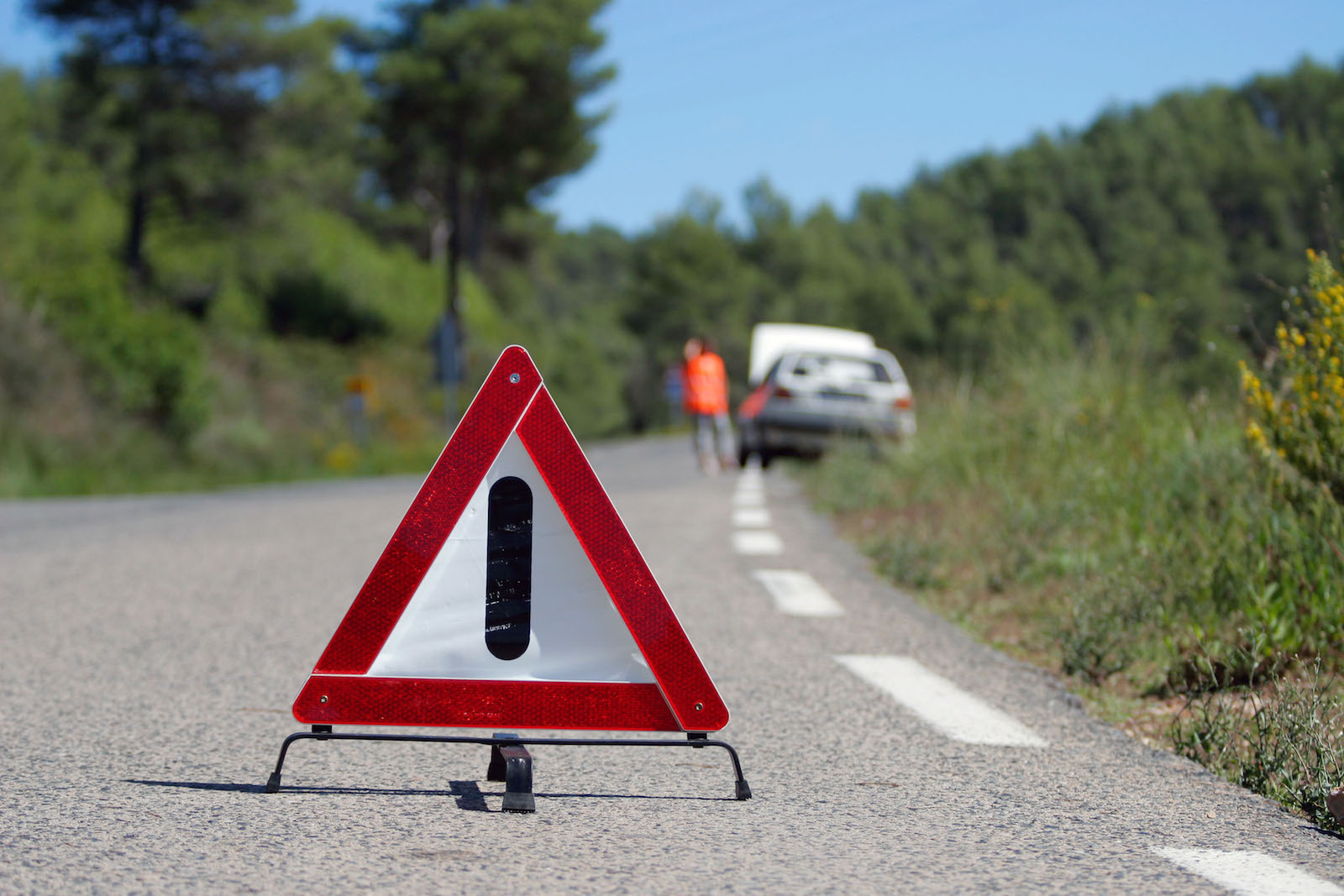
Motorists all have a number of bad habits that, in the long run, can cause our car to end up needing a visit to the workshop and see its useful life reduced
Bad habits end up becoming a source of serious and grave problems. Just as if we don’t look after our mind and body, we will eventually suffer a series of illnesses and ailments, the same thing happens with our car. The vices we pick up while driving and the type of maintenance we give our vehicle are vital when it comes to extending its life in conditions of rewarding use of our car.
Here we tell you about some of the habits you should avoid falling into if you don’t want to be forced to pay for major repairs on your car or to have to change make and model because you replaced your car early, long before the date you had considered you would.
Stretching the intervals of maintenance operations
The maintenance schedule that manufacturers set for their vehicles is not something to take lightly. And we say this not only because skipping one of the scheduled services means immediately losing the warranties§h14? that the manufacturer offers us when we buy the car, but also because considering it a saving to stretch the service intervals of the vehicle is one of the worst things you can do in your life.
Far from being a saving, skipping services has significant consequences. Regular maintenance of the filters and oil changes are the lifeblood of your car’s engine, especially for everything you can’t see when you lift the bonnet, its internal parts. Driving with clean oil and at the correct level is one of the main measures that help achieve low consumption and low emissions. Thus, on top of the fuel saving we will add reductions in maintenance costs for both the particulate filter and the rest of the car’s exhaust system.
Starting the car abruptly
In weeks as cold as the present one, as at any other time of year, many motorists warm up the engine by making sharp bursts of acceleration. It is a bad idea that brings no benefit and does not speed up processes; it only disrupts them. The various engine components and the fluids that allow the moving parts to slide without seizing due to friction need to reach a suitable temperature for optimal operation. When you make those bursts of acceleration you are making the engine work at high output before it has reached that temperature. This accelerates the wear of the parts and speeds up the loss of efficiency of the mechanics, increasing fuel consumption, raising engine emissions, causing breakdowns and reducing performance.
Moving the steering wheel with the car stationary
If you want both the tyres and the various components of the front suspension and steering of the car to last and remain in perfect condition, make sure you don’t turn the steering wheel when the car is stationary. Turning the steering with the car parked or stopped causes significant wear to the tyres on the car’s steered wheels. The best thing you can do is start the car. Once power steering is activated, it will be much easier to move the car, and you will prevent the deterioration of both the elastic elements of the steering and front suspension and the car’s steered tyres.
Driving slowly and too calmly
Excess is paid for. Being too much is as bad as being too little. Driving at low speed will allow us to save fuel, but if we do it in gears that are too high we can end up affecting the proper functioning of the car’s transmission, since the mechanics will work without reaching their optimal level of performance, which will cause unwanted increases in fuel consumption. Driving in high gears also affects the amount of torque available. If we drive at low engine speeds it will not generate enough revolutions for the mechanics to deliver the maximum torque needed to optimise performance and, at times, the safety of both the vehicle and its occupants can be seriously compromised because the engine does not have enough reserve of torque and power to deal with possible risks.
Driving aggressively or too abruptly
Abrupt driving also has significant consequences for prolonging the life of our vehicle. First of all, we will consume a noticeably greater amount of fuel and, therefore, generate even more emissions. The tyres will wear out more frequently, meaning more money will have to be spent on replacing them, and that can also affect our safety and that of the other passengers in the car.
The engine overheats unnecessarily, which in the long run will cause wear both in its moving parts and in the gearbox and braking system of the car, with the consequent reduction in its useful life and the increased cost of maintenance and upkeep of the vehicle.
Resting on the gear lever knob and overusing the clutch
Both habits can also have serious consequences for our car (fines and penalties). The clutch already wears enough from normal use in the vehicle without us adding even more unnecessary wear. The clutch is a wear item that deteriorates with every use we make of it. Therefore, the more often we use it unnecessarily, the more we are contributing to bringing its replacement forward.
Likewise, driving with one hand permanently on the gear lever is not only a dangerous habit that puts your safety at risk, it can also cause serious faults in the transmission, since those movements unnecessarily put pressure on the various internal gearbox mechanisms. This will cause abnormal wear, play in the bearings, and a whole series of future imprecisions in gear changes that will translate into vibrations inside the car.
Running the tank right down to the last drop
Although the reserve offers up to 100 km of range as a general rule, it is not an exact science and it is easy to get stranded. But beyond having to wait stranded on the road, the added problem can come from the fuel pump, since running the tank right down to the last drop forces the fuel pump to work excessively, a component whose replacement is certainly not cheap.


 Peugeot E-208 GTi: a battery-powered toy that revives the spirit of the 1980s sports cars
 New Lexus ES: luxury grows and goes electric
 First contact with the Dacia Sandero Hybrid 155: power and efficiency from €19,890
Deja un comentario