A power outage in San Francisco causes chaos in Waymo's robotaxi fleet
 Javier Cantagalli
24 December 2025
3 min.
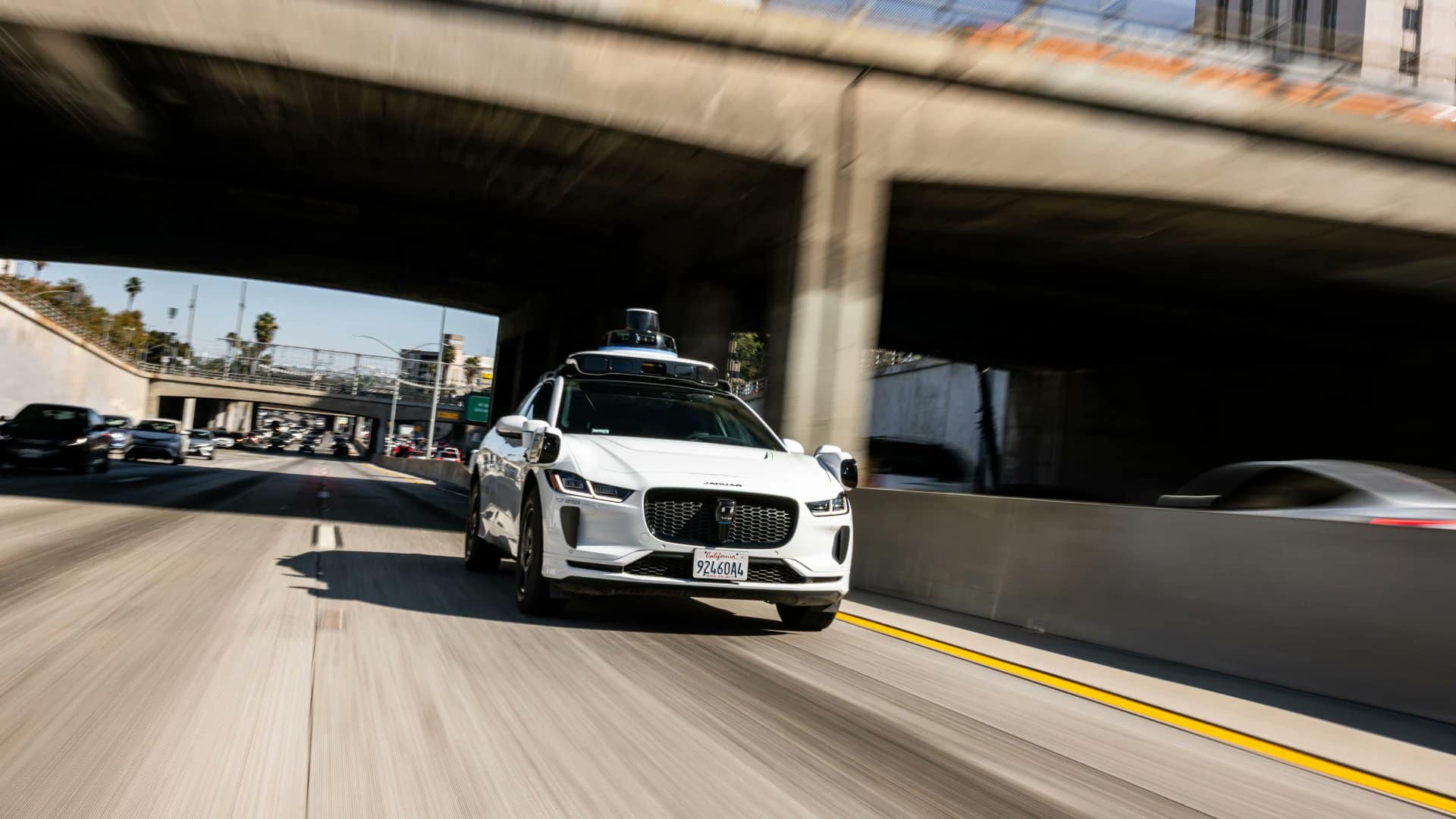
This episode in the city of San Francisco has highlighted the differences in technological approaches between competitors in the race for autonomous driving, at a time when these services are expanding rapidly.
On Saturday, 20 December, a fire at a PG&E substation left about a third of the city of San Francisco without electricity, affecting around 130,000 customers of the utility. As a result, among many other complications, traffic lights went out across wide areas, causing traffic chaos and affecting public transport.
Amid this situation, Waymo’s autonomous vehicles, the popular robotaxis we have already discussed on many occasions here at HighMotor, which operate on the streets of several US cities, including San Francisco, were particularly affected.
Designed to handle unsignalised intersections with special caution, the disconnected traffic lights ultimately led to chaos, as many of the vehicles in Waymo’s fleet remained stopped at intersections for longer than usual while assessing their surroundings, ultimately affecting the flow of traffic for the other vehicles.
Clearly, Waymo’s robotaxis are not prepared for situations like this
Numerous videos shared on social media showed groups of up to five Waymo autonomous robotaxis stopped at a single intersection, with their hazard lights on, blocking the way and worsening the jams. The situation became so concerning that Waymo itself ended up temporarily suspending the service in the city due to the risk of interfering with the movement of emergency vehicles.
The following day, once the power supply problem in the city had been resolved, the company resumed service and everything returned to normal. In any case, this incident has raised some doubts about how prepared autonomous vehicles are for unexpected emergencies, which could be even greater, as would be the case, for example, with a major earthquake. This is by no means an unlikely scenario in the Bay Area.
In this regard, a Waymo spokesperson has explained that, given the scale of what happened as a result of the failure in the electrical infrastructure, they are working to improve how their technology adapts to unpredictable scenarios such as the one that recently occurred, quickly integrating the lessons learned.
Finally, and as an interesting fact, it is worth noting that some robotaxis from the Tesla network are currently operating in San Francisco, which were not affected by the power outage, by chance.
A different approach that makes the difference
According to what Elon Musk himself later explained on X, these vehicles continued operating normally because their technology relies exclusively on camera vision and neural networks trained on billions of miles of real-world driving. This allows the system to interpret and navigate unpredictable situations, such as intersections with dark traffic lights, in a way similar to an experienced human driver: assessing the flow of traffic, giving way when necessary and proceeding with caution.
By contrast, Waymo’s robotaxis depend to a greater extent on detailed high-definition maps, additional sensors such as LiDAR and radar, and external infrastructure including functioning traffic signals. When the traffic lights failed on a large scale, Waymo’s system treated the intersections as four-way stops, which forced the vehicles to remain stopped for longer than usual to check their surroundings, causing build-ups and blockages.
In short, as he explained, Tesla bet on real-world chaos and won in this scenario, proving more adaptable without depending so heavily on perfect conditions or pre-set maps. It is a lesson we will need to learn from and not overlook again.


 Peugeot E-208 GTi: a battery-powered toy that revives the spirit of the 1980s sports cars
 New Lexus ES: luxury grows and goes electric
 First contact with the Dacia Sandero Hybrid 155: power and efficiency from €19,890
Deja un comentario