BMW shows the inner workings of the iX5 Hydrogen: the hydrogen tank
 David Lopez @espacionblanco
4 May 2026
2 min.
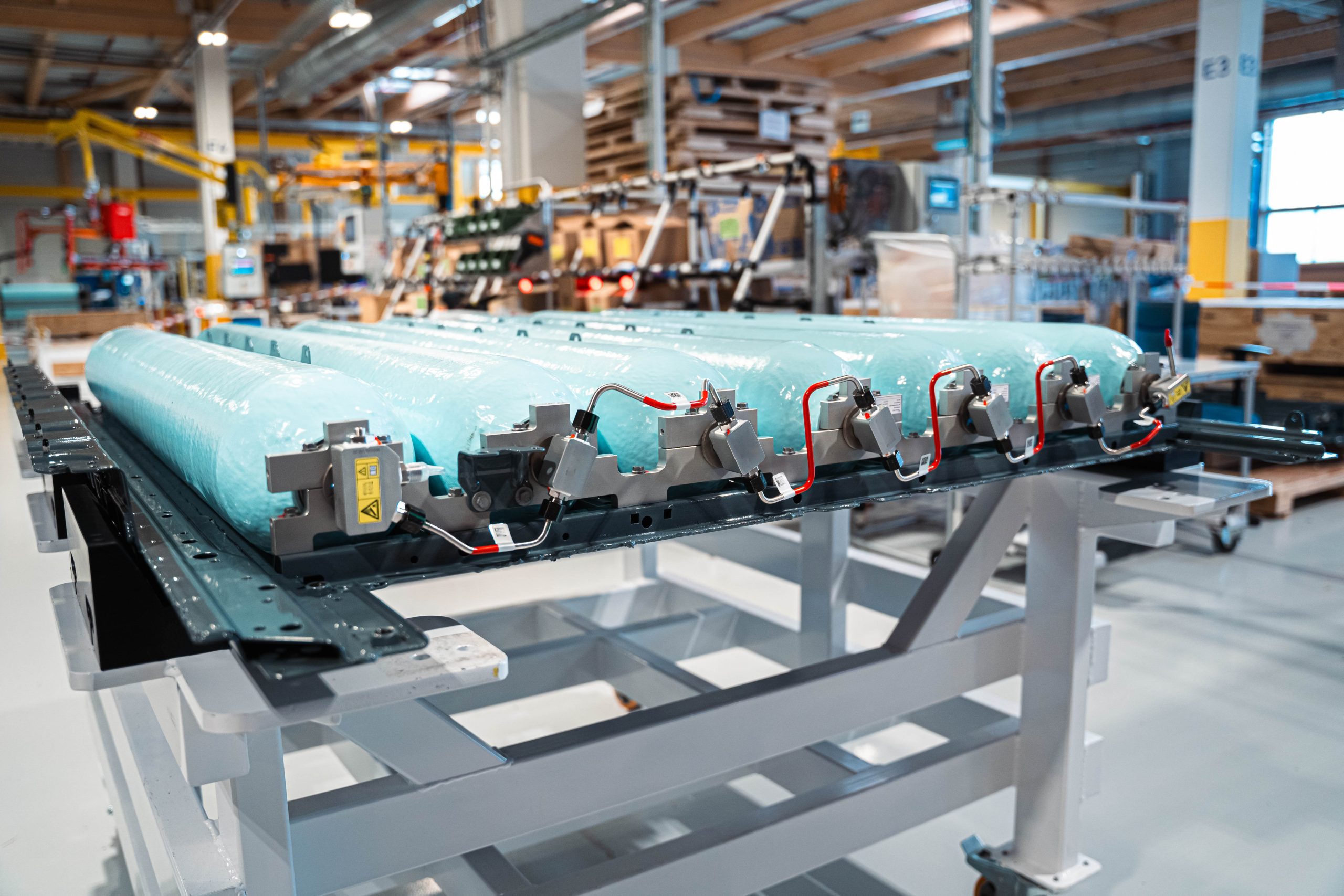
The BMW iX5 Hydrogen will reach the market in 2028, and the brand gives us a glimpse of its technology, specifically its hydrogen storage tanks
As you have probably already seen, BMW is, along with other brands such as Toyota, one of the great standard-bearers in the development of hydrogen technology for vehicles, and in the case of the German brand the iX5 Hydrogen is the model on which all the development and testing of this technology is focused. Indeed, if everything goes according to plan, the iX5 Hydrogen will hit the roads in 2028.
BMW has been transparent about the progress of this technology and of the iX5 Hydrogen in particular, a model that we are now being shown inside out to reveal an essential part of its system: the hydrogen tanks. The iX5 Hydrogen that will reach the market will feature a new hydrogen tank technology, with a new layout and size that allow the iX5 Hydrogen to certify a range of up to 750 kilometres.
These 700-bar high-pressure tanks benefit from the mechanical protection offered by the vehicle’s own structure, ensuring a high level of safety. In addition, the BMW Hydrogen Flat Storage system makes efficient use of the space it occupies inside the vehicle, and is compatible with the Gen6 battery, so no interior space is lost and they can be manufactured on the same production line as other models, regardless of the propulsion system they use.
Hydrogen is stored in the new flat tank system, made up of seven high-pressure tanks manufactured from carbon-fibre-reinforced composite and connected to each other in parallel and integrated into a metal frame. The particularity of this design lies in the fact that, instead of individual pressure vessels, there are several chambers connected to form a single closed unit, which is controlled by the central main valve. This design allows the iX5 Hydrogen to increase its range while being refilled from empty in under 5 minutes.
It is worth noting that the new BMW iX5 Hydrogen benefits from the new transmission and chassis control software “Heart of Joy“, which we first saw at the beginning of 2025 with the presentation of the BMW Vision Driving Experience, and which manages the powertrain and driving dynamics of the BMW electric vehicles belonging to the Neue Klasse. To this must be added the latest-generation Gen3 fuel cell technology, which makes it more powerful and efficient than previous versions.


 The seven finalists for the 2027 European Car of the Year (COTY) are exclusively electric
 Peugeot E-208 GTi: a battery-powered toy that revives the spirit of the 1980s sports cars
 New Lexus ES: luxury grows and goes electric
Deja un comentario