Car sharing is the new factory of used electric vehicles
 Guillermo Lopez
7 June 2018
5 min.
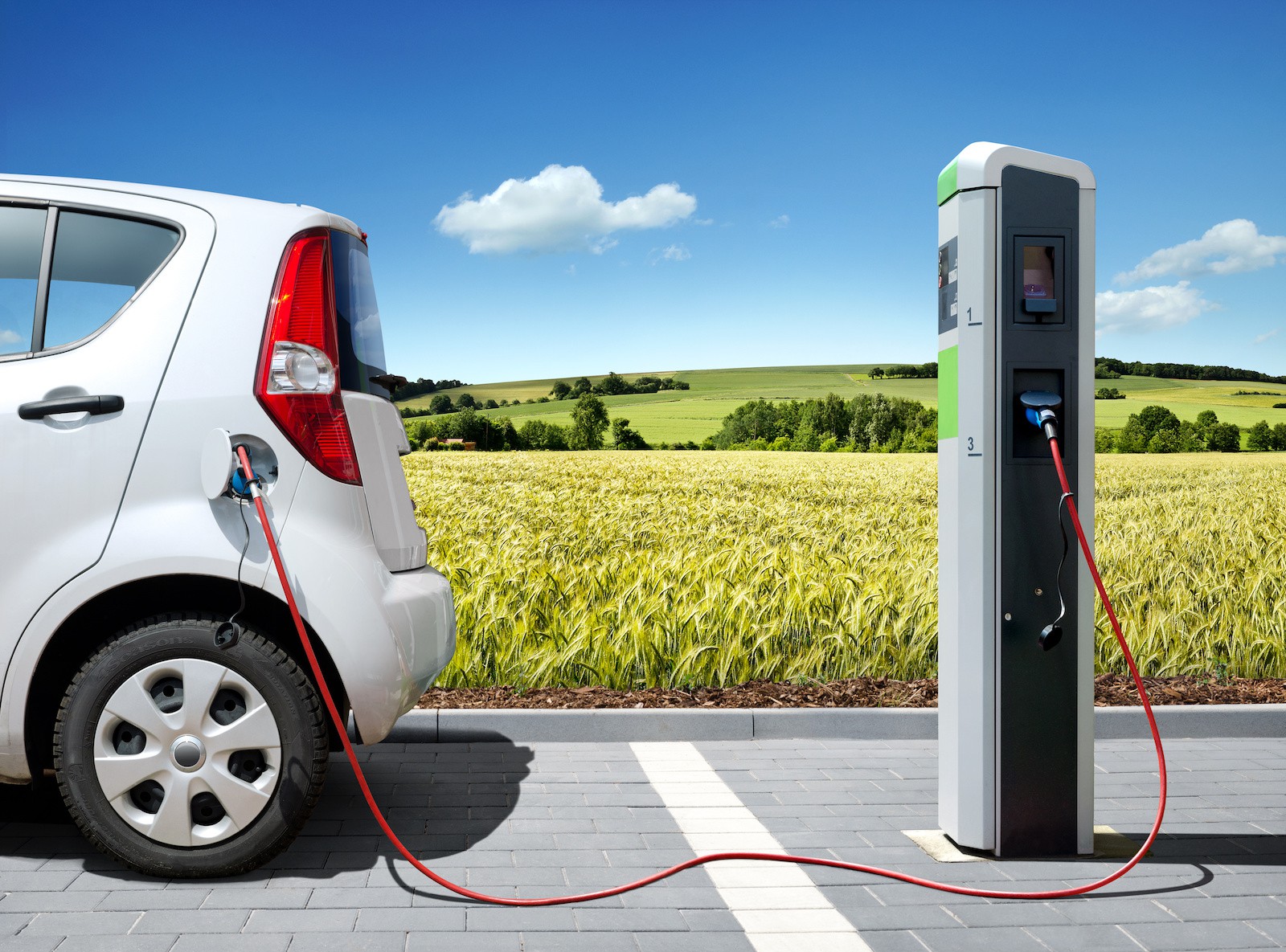
Car sharing is the new factory of used electric units for the second-hand market and will help remove the main barrier to their popularisation: price
“The renewal of car-sharing company fleets will feed the second-hand electric vehicle market, thus helping to break the current barrier to their purchase represented by their high price”, according to the report on the used vehicle market, which analyses the impact that new forms of mobility are having on the used car sector and which GANVAM presented on the occasion of the new edition of the Used Car Show in Madrid.
According to GANVAM, the boom in car sharing in Spain’s large cities has contributed very positively to tripling electric vehicle registrations in Spain since 2015. The operation of this new mobility system turns the companies that take part in it into “true factories of second-hand electric vehicles”, because every unit they withdraw from circulation is one more electric vehicle entering the used car market. In addition, the high turnover of these vehicles (acquired under renting arrangements over relatively short terms, of between one and three years) will allow “the price of used electric vehicles to stop being an obstacle to their purchase”.
In its analysis of the used car market situation, GANVAM considers that in customers’ purchasing decisions the mileage of vehicles is beginning to lose importance when acquiring the vehicle, compared with other, more current criteria that are gaining greater weight, such as compliance with new European environmental regulations, the safety equipment, both passive and active, that the car has, and its connectivity.
The used car market increasingly demands vehicles that are efficient, respectful of environmental regulations, well equipped with safety measures and driver-assistance elements, and above all that offer on-board connectivity. This turns renting and car-sharing companies with a high rate of turnover (that is, those that renew their units over short periods of time) into true manufacturers of well-maintained, well-cared-for used vehicles, which is why the question of vehicle mileage is gradually losing weight and importance.
According to the White Paper on used vehicles prepared by GANVAM, for customers in the used car market price is undoubtedly one of the main issues they weigh when choosing to buy a used vehicle rather than a new one. However, what they value most when doing so is the safety equipment the car has.
The professional used vehicle market is currently going through one of its best moments, thanks above all to the shortage of young vehicles in the private market. The growing pressure on environmental measures being exerted by local corporations and the authorities means that the emissions of used vehicles are also being taken into account by buyers, which is beginning to be noticed in the market. As the private market currently lacks supply of this type of vehicle (up to five years old), customers’ attention turns to the professional channels of the used car market, which distribute these models, made up mainly of units from renting and car sharing, units between six months and five years old.
Moreover, as demand for young used vehicles is rising considerably, the residual value of models up to five years old has risen by as much as 10 percent in the first quarter of 2018.
But even though the stock of young vehicles in the used market is recovering (they now account for 28 percent of sales, three points more than in 2017), 58 percent of transactions involve vehicles up to 10 years old. From January to May 2018, more than 850,000 used vehicle sales transactions have already been carried out, 4.9 percent more than in the same period of 2017. For every new vehicle registered in Spain, 1.7 used vehicles are sold, a very low ratio when compared, for example, with the English market. In Great Britain, three used vehicles are sold for every new one.
Today, the experience of buying a used vehicle no longer has anything to envy in that of a customer buying a new vehicle. Distribution chains have done their homework, and the strong competition in the sector is driving ever greater professionalism within it. This is especially noticeable in the increasingly better conditions and after-sales services that customers buying a used vehicle receive, the financing services adapted to their needs that they can find to meet the cost of the car, and the growing loyalty customers show towards professional second-hand vehicle sellers.
To improve conditions in the used vehicle market and contribute to rejuvenating the fleet, GANVAM has requested, among other measures, the promotion of renting as a method for private individuals to access the purchase of a car, a tax reform that taxes transactions of old cars between private individuals (vehicles without servicing and without any kind of warranty), with increases of up to four points in the property transfer tax; incentivising the scrapping of vehicles in order to motivate private owners to change their car more frequently; including used vehicles up to three years old in those plans; and expressly prohibiting the illegal sale of used vehicles in the General Traffic Regulations, regional regulations and municipal ordinances,

 Kia offers an electric range of 10 models, 50 versions and 400 possible combinations
 The seven finalists for the 2027 European Car of the Year (COTY) are exclusively electric
 Peugeot E-208 GTi: a battery-powered toy that revives the spirit of the 1980s sports cars
Deja un comentario