CATL plans to give a strong boost to sodium-ion battery technology in 2026
 Javier Cantagalli
30 December 2025
2 min.
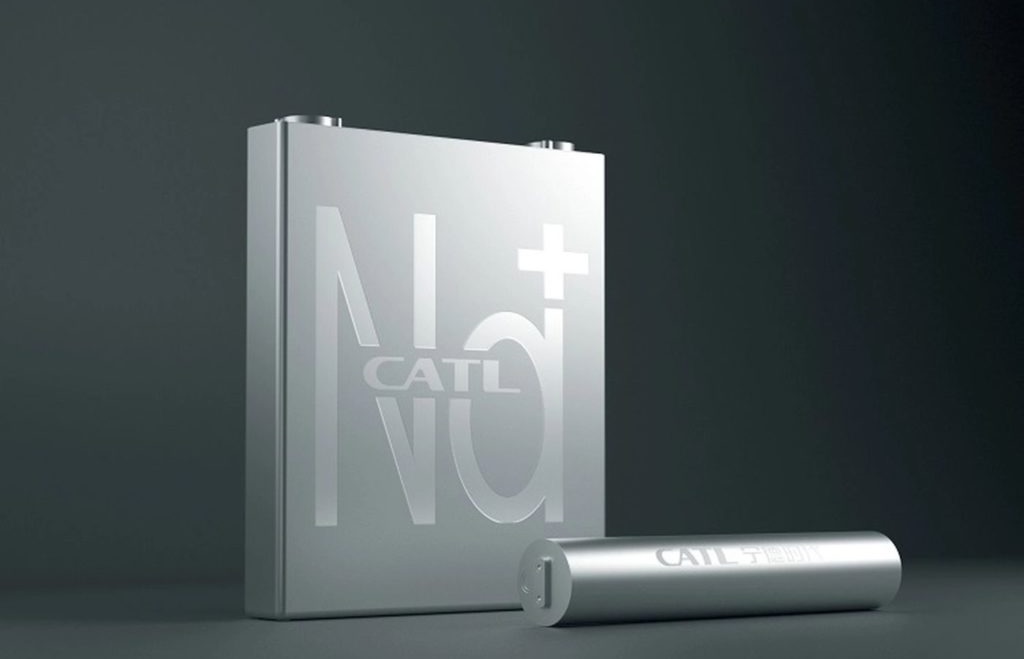
Driving forward this new battery technology, CATL aims to complement its lithium batteries and thereby increase its market share in a constantly evolving sector.
In the year now ending, CATL has managed to maintain its leadership in the global electric vehicle battery market, with a cumulative share of 38.1 percent from January to October 2025. This figure represents a slight improvement over the same period in 2024, when it recorded 37.6 percent.
In second place stays the other giant of this sector, BYD, with 16.9 percent. Meanwhile, LG Energy Solution completes the podium in third place with 9.3 percent. Well behind in fourth and fifth place come CALB and Gotion, with 4.7 and 4.1 percent respectively.
Looking ahead to 2026 and in order to maintain its privileged position in the market, CATL plans to advance the development of sodium-ion batteries. A battery technology that offers great advantages, especially in terms of cost, for use in affordable electric models.
2026 will be the year of sodium-ion batteries
At a supplier conference held on 28 December 2025, CATL announced that this type of battery will reach large-scale deployment over the course of this coming year, with multiple applications in battery swapping, passenger and commercial vehicles, and energy storage.
In April 2025, CATL presented Naxtra, a brand created precisely to focus on this type of battery. According to the manufacturer, the sodium-ion cells they have developed are capable of delivering an energy density of 175 Wh per kilogram, similar to what today’s best lithium iron phosphate (LFP) cells promise.
The new sodium-ion cells will bring a significant reduction in costs, greater safety and superior performance in cold climates, being able to operate in a temperature range of between -40 °C and 70 °C. They can also withstand a fairly high direct current charging power even in extreme conditions.
The smartest choice for affordable compact vehicles
CATL claims its sodium-ion batteries offer more than 500 km of range in electric vehicles and plans to begin mass production in 2026. The Naxtra cells with this chemistry have also been the first to pass China’s new battery safety standards, which will come into force on 1 July 2026.
Finally, the company did not want to miss the opportunity to highlight some other advantages of this new battery technology, such as reducing dependence on scarce resources like lithium, thereby fostering a more diverse energy ecosystem and contributing to greater independence in the supply of critical materials.


 The seven finalists for the 2027 European Car of the Year (COTY) are exclusively electric
 Peugeot E-208 GTi: a battery-powered toy that revives the spirit of the 1980s sports cars
 New Lexus ES: luxury grows and goes electric
Deja un comentario