China moves its pieces with a first draft of the regulations that will apply to solid-state batteries
 Javier Cantagalli
31 December 2025
3 min.
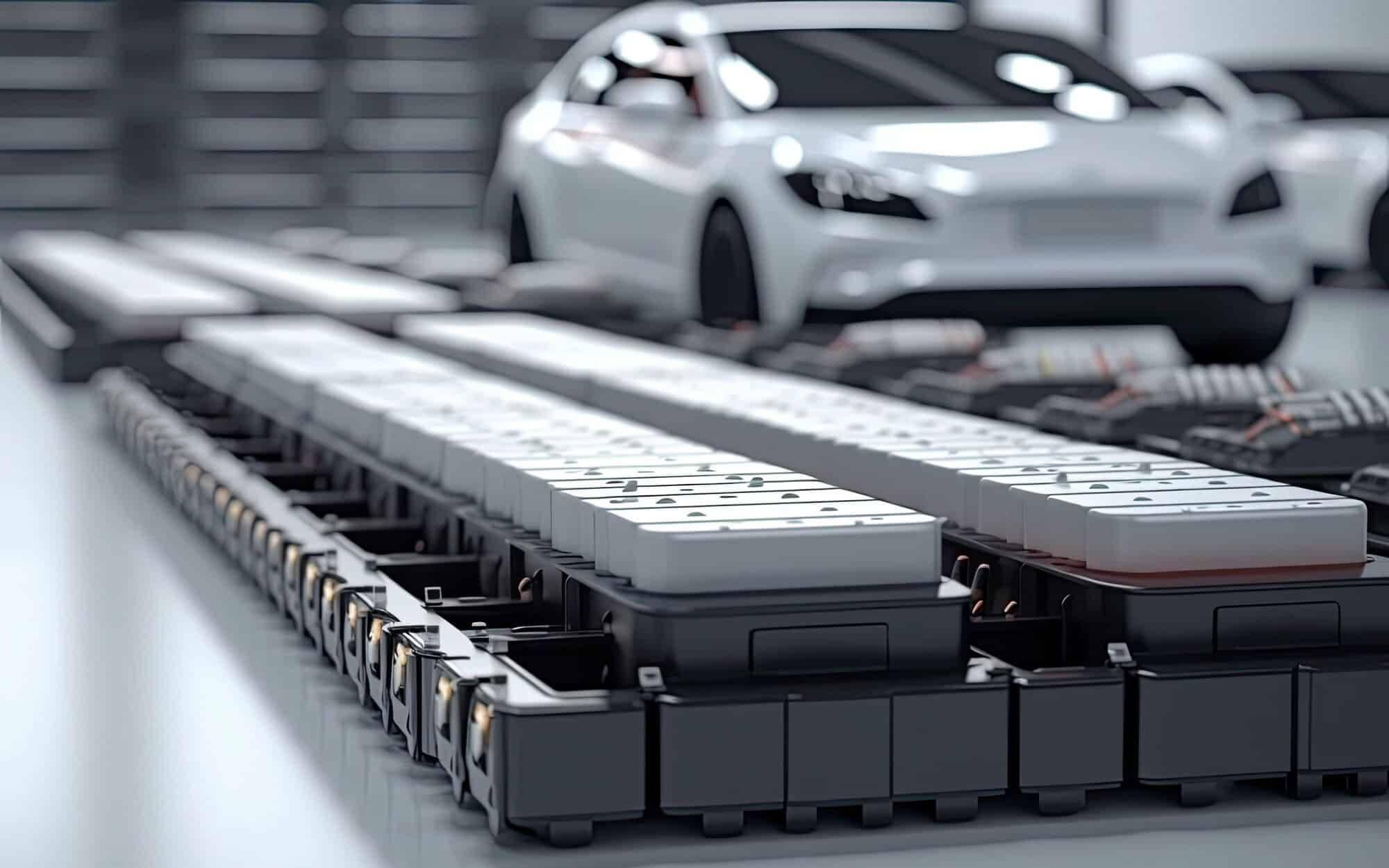
What particularly stands out is that this first draft makes no mention whatsoever of “semi-solid” batteries, which some manufacturers have begun to fit in their electric vehicles.
China continues to set the pace in the electric car sector, to the point that demand for this type of vehicle allowed the Asian country in 2025 to overtake Japan for the first time in global car sales. But China doesn’t just have increasingly strong car brands; it is also a leader in battery cell production, with powerful suppliers such as CATL or BYD, which supply these valuable components to electric vehicle manufacturers around the world.
To keep the momentum of the Chinese industry going, these companies are making heavy investments aimed at improving current battery technology. This applies both to lithium iron phosphate (LFP) batteries and to the new sodium-ion batteries, whose mass production is set to mark this new year, 2026; not to mention, of course, the promising solid-state batteries.
To make these advances possible with the necessary legislative support, the National Technical Committee for Automotive Standardisation of China has just published a first draft of what will become the national standard for solid-state batteries in electric vehicles. This document, open to public consultation, sets out clear definitions and precise categories for this emerging technology.
Points to consider
As can be read, this standard classifies batteries into three different types: liquid, hybrid solid-liquid, or fully solid-state. However, there is no mention of the semi-solid-state batteries that some manufacturers such as MG Motor have begun to sell, in this case in a version of the refreshed MG4.
Additionally, the document differentiates solid-state batteries according to the type of electrolyte used (sulphide, oxide, polymer, halide or composite), by conducting ion (lithium or sodium) and by application (high energy or high power). A key criterion applicable to solid-state batteries under this new standard is the weight loss rate, limited to 0.5 percent at most, stricter than the 1 percent previously proposed by industry associations.
This initial draft will, however, define only the first of a series of four planned standards, which will include requirements for performance, safety and durability. China thus becomes the first country to propose a national standard of this kind, with the aim of accelerating the transition of solid-state batteries from the laboratory to mass production.
Giants such as CATL and BYD, which control more than half of the global market for electric vehicle batteries, plan to start small-scale production of this type of battery around 2027, in order to make the leap to mass manufacturing by the end of this decade. The establishment of these standards by the Chinese authorities will not only strengthen the competitiveness of the country’s industry, but will also drive the commercialisation of a technology that is expected to ultimately revolutionise the range and safety of electric vehicles.


 Peugeot E-208 GTi: a battery-powered toy that revives the spirit of the 1980s sports cars
 New Lexus ES: luxury grows and goes electric
 First contact with the Dacia Sandero Hybrid 155: power and efficiency from €19,890
Deja un comentario