CATL's new plant in Hungary will begin producing battery cells next spring
 Javier Cantagalli
8 December 2025
2 min.
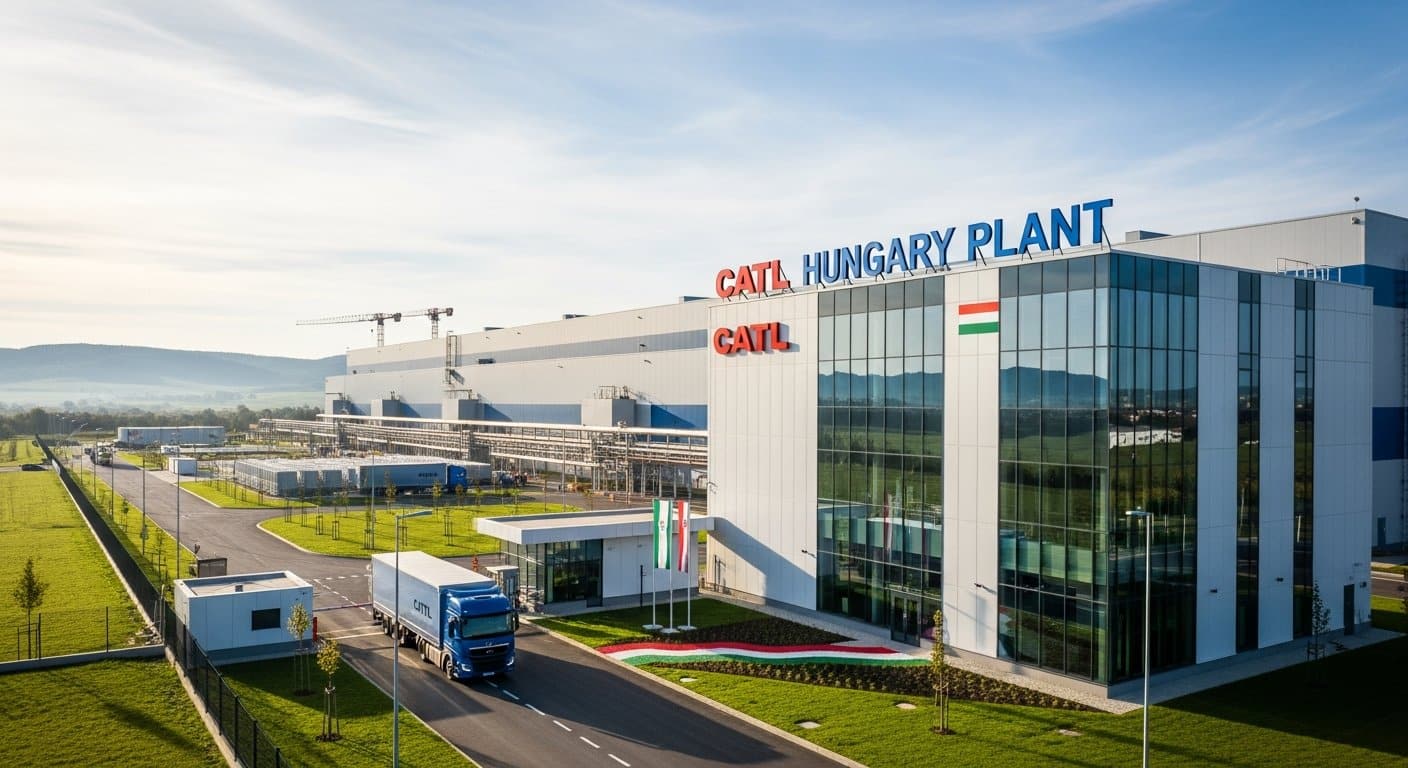
CATL, the Chinese giant that supplies batteries for electric vehicles, is preparing to start series production of cells at its new plant located in the Hungarian town of Debrecen. According to the company’s Managing Director of European Operations, this should happen between March and April of next year, although he has specified that the final date will depend on obtaining the pending permits necessary to get started.
Although cell production has not yet begun, modules have been assembled at this Hungarian plant since 2024. So far, 30 thousand modules for electric cars have been manufactured, using cells imported from other CATL plants. According to the company, production lines are being installed continuously to accelerate the start of series production as much as possible this coming spring. To this end, the current workforce of one thousand workers will also grow to 1,500 employees during the first quarter of next year.
In Debrecen, a battery specifically adapted to the European market will be manufactured which, according to the executive, will allow ranges of over 750 kilometres. Although CATL has not revealed the specific customers who will receive these cells, when the plant was announced in 2022, Mercedes-Benz was highlighted as one of the main partners. Models such as the CLA already exceed that range figure, and the new generation of the electric GLB, based on the MMA platform, also reaches it.
Almost everything is ready for production to start in Debrecen
One of the procedures still underway is the environmental licence. This year CATL submitted the third version of its application, in which, as explained by the head of Public Affairs of the company’s Hungarian subsidiary, total emissions have been reduced by 43 percent and the consumption of drinking water and energy by one third each.
For the time being, the factory is not connected to the municipal water network. Until spring it will use a mixture of rainwater and surface water from the Tisza River, a tributary of the Danube. Once the connection is completed, that surface water will be combined with treated wastewater, which will help minimise the environmental impact of the facility.


 Peugeot E-208 GTi: a battery-powered toy that revives the spirit of the 1980s sports cars
 New Lexus ES: luxury grows and goes electric
 First contact with the Dacia Sandero Hybrid 155: power and efficiency from €19,890
Deja un comentario