Clase C Mercedes Electric Cars
Mercedes-Benz starts production of the electric C-Class in Hungary
 Javier Cantagalli
15 July 2026
3 min.
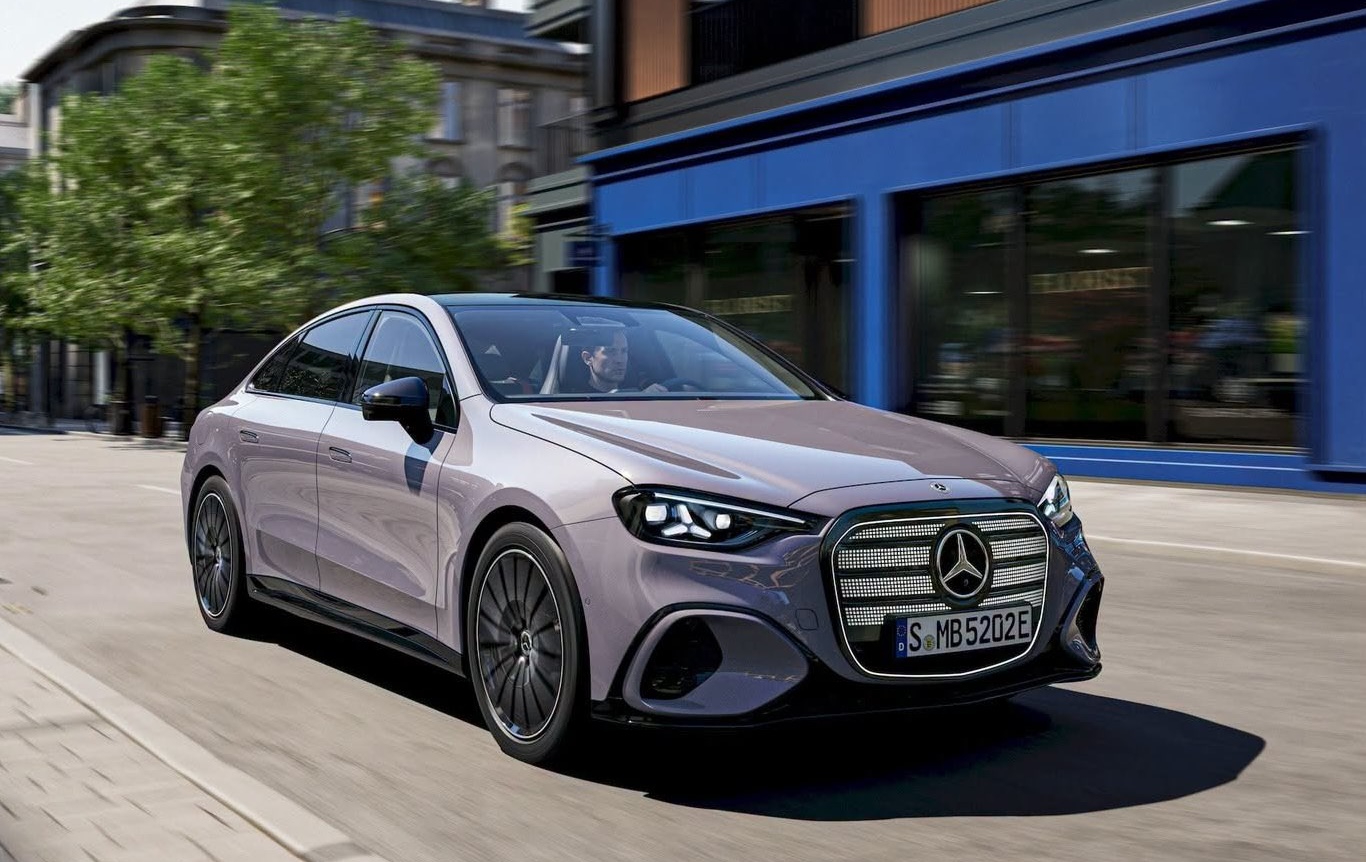
Mercedes-Benz is moving forward in its transition to electric mobility without giving up the efficiency and adaptability of its global industrial network.
Mercedes-Benz has just officially inaugurated the expansion of its Hungarian plant in Kecskemét. These facilities now stand as the company’s largest in Europe. With this expansion, the site’s surface area has grown from 200 to 440 hectares, with two new buildings for bodywork and assembly lines, a second press shop, a modern paint shop and a battery assembly facility. The investment has reached one billion euros, and the country’s new prime minister, Péter Magyar, attended the inauguration ceremony.
According to Mercedes-Benz, this expansion of the Hungarian plant will significantly increase the resilience and flexibility of the company’s global production network. They state that these facilities represent the future of production for the brand: intelligent, connected, digital and focused on efficiency, quality and sustainability. This makes it possible to manufacture models such as the GLB and the new electric C-Class competitively, while strengthening the entire production network of the brand.
Currently, around 5,000 employees work in Kecskemét, where the combustion-engine A-Class and the electric GLB are produced. With this new expansion, production of the new electric C-Class has also begun at the plant. The German manufacturer held a symbolic start-of-production event and will now focus on scaling up output. In the future, the compact version of the G-Class will also join the lineup.
The new electric saloon from Mercedes-Benz
The new electric C-Class, globally presented last April, offers a lower, more aerodynamic alternative to the GLC SUV. It shares the MB.EA-M platform with an 800-volt system, a 94 kWh battery, charging power of up to 330 kW and 360 kW of total output. Its range can reach 762 kilometres under the WLTP homologation cycle. It features an electric motor on the rear axle with a two-speed transmission and, in the AMG versions, axial flux motors.
It is worth highlighting that essential components, such as bodywork parts and high-quality batteries, will be manufactured directly at this Hungarian plant as a result of the expansion, which shortens supply chains and improves flexibility and responsiveness to market demands.
The new section of the plant is dedicated exclusively to electric vehicles, while the existing section allows flexible production of combustion and electric models on the same assembly line. Mercedes-Benz is seeking to create production links with other European factories, such as Rastatt in Germany, and is exploring the possibility of moving part of the production of the successful GLC to Hungary, according to recent reports.


 Peugeot E-208 GTi: a battery-powered toy that revives the spirit of the 1980s sports cars
 New Lexus ES: luxury grows and goes electric
 First contact with the Dacia Sandero Hybrid 155: power and efficiency from €19,890
Deja un comentario