Panasonic is working on new anode-free cells that will dramatically improve range
 Javier Cantagalli
22 September 2025
2 min.
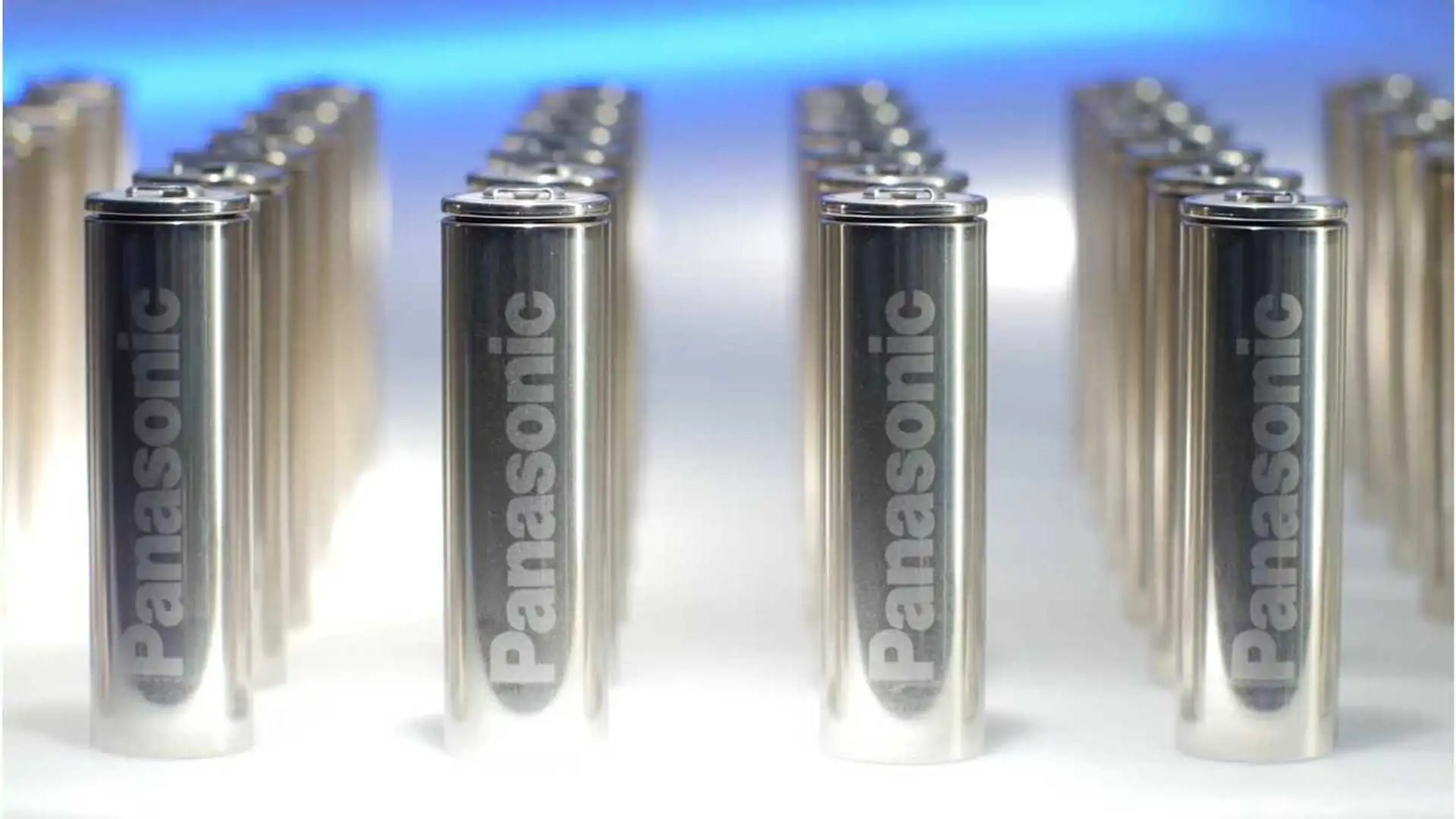
Panasonic sees this technology as a unique opportunity to offer cells with higher energy density, thus making it possible to bring more efficient and affordable electric vehicles to market.
Panasonic Energy, the cell-for-batteries division of the Japanese giant, is driving an ambitious project that could ultimately revolutionise battery technology for electric vehicles. The new technology the company’s engineers are working on eliminates the need to manufacture the traditional anode during the initial assembly, instead forming a lithium metal anode during the first charge.
This innovation, which could be ready within about two years, promises to substantially raise the energy density of the cells, which would allow electric vehicles to enjoy greater range without increasing the dimensions of the battery pack they fit.
So, for example, if these engineers’ work proves successful, in a vehicle such as the Tesla Model Y, the best-selling car in the world for several consecutive years now, its range is estimated to extend by around 145 kilometres, while keeping a battery pack of similar dimensions.
This technology would also allow manufacturers to maintain the same range they currently offer, rather than increase it, but by fitting a smaller battery pack, with the resulting reduction in weight and the improvement in efficiency that this implies. In addition to reducing the vehicle’s production costs, so that it can be sold at a more accessible price.
How is this possible?
According to Panasonic’s engineers, the secret lies in optimising the internal space of the cell. By dispensing with the pre-formed anode, generally based on graphite or silicon, volume is freed up to incorporate more active materials into the cathode, such as nickel, cobalt and aluminium. This not only increases energy density, but also reduces dependence on nickel, a costly component with an excessively volatile price.
The company says this innovation could position its battery cells at the highest level of global capacity by the end of 2027, which would make them a key competitive advantage for all manufacturers who use them in their electric vehicles.
Finally, it is worth clarifying that, technically, the term “anode-free” we have used in the title of this article is not entirely accurate, since every battery always has two poles, positive and negative. However, the industry has popularised this designation since this technology avoids the complex and expensive processes of producing and coating traditional anodes, with the lithium metal generating them simply during the initial cycle.


 Kia offers an electric range of 10 models, 50 versions and 400 possible combinations
 The seven finalists for the 2027 European Car of the Year (COTY) are exclusively electric
 Peugeot E-208 GTi: a battery-powered toy that revives the spirit of the 1980s sports cars
Deja un comentario