Timing belt or timing chain... Which is better?
 Victor Alós Yus @sepelaci
25 December 2018
4 min.
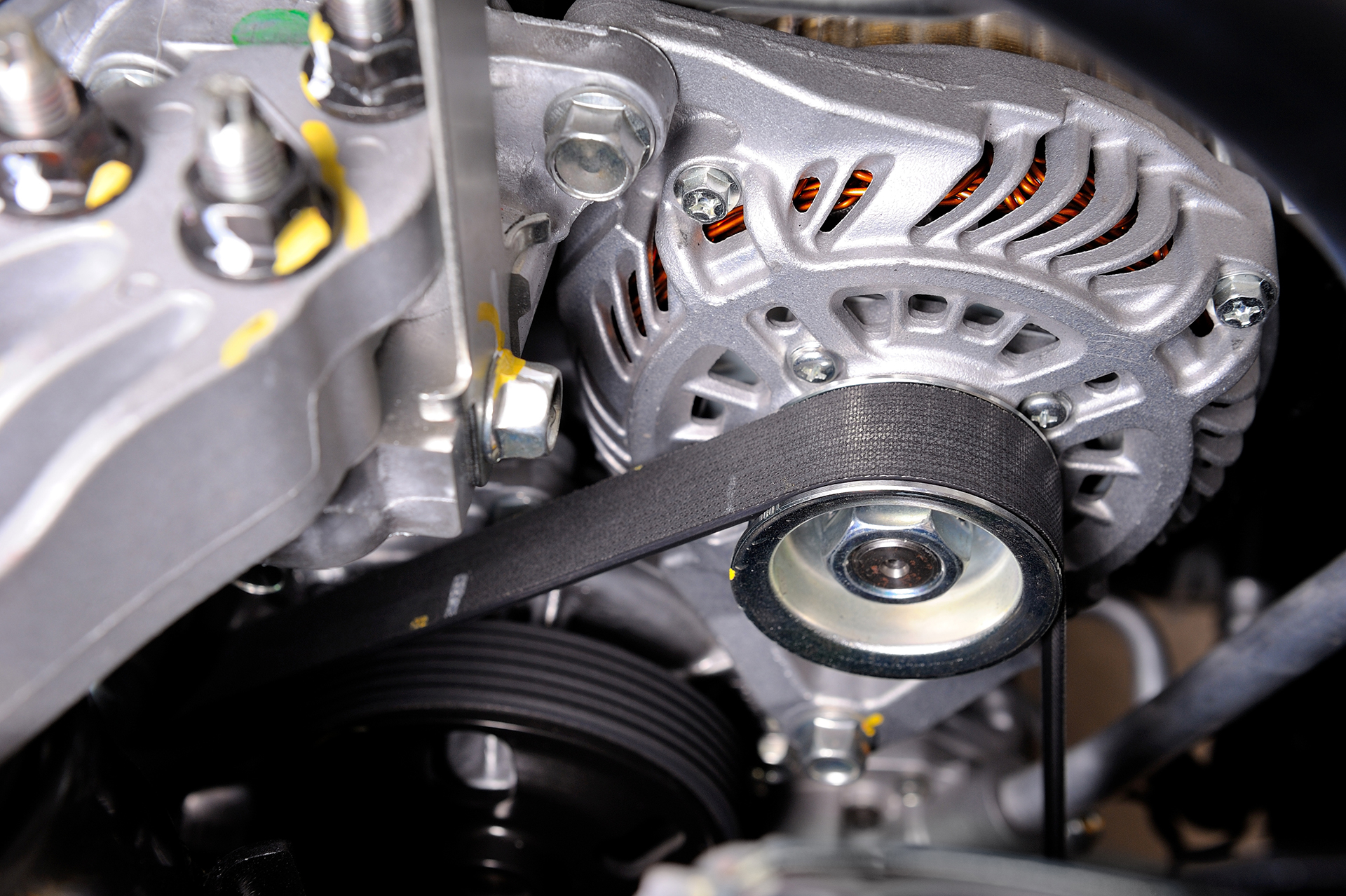
Most current cars have a timing chain, although timing belts are also used. Do you know the differences between the two?
In a recent article we discussed the timing belt and when we should replace it to avoid problems and unexpected breakdowns. The timing belt is one of the most important components in the engine, and if it breaks it can cause serious problems in its operation. But what many people don’t know is that, besides the timing belt, there can be another type of system, such as the timing chain. So… which is the better of the two systems?
The timing chain was the first system adopted to drive the first cars, so it is much older than the timing belt. It is a chain made up of its corresponding links, made of steel or alloy, which has great strength and performs the same function as the timing belt.
Timing chain
The timing chain is used in very few models today, since the advantages of the timing belt outweigh those of the chain. The manufacturing cost of a timing chain is much higher than that of the belt, so the price of the car can increase by around 600 euros compared with one that uses the latter. That is a good reason to think it over.
However, an important detail to keep in mind is that the timing chain requires practically no maintenance. Furthermore, its service life extends up to 250,000 kilometres, which can be basically the entire service life of the engine. This means that, under normal conditions, it will not break, and that the extra cost is offset by the long life of the component.
Occasionally a link may wear, but this happens beyond 250,000 kilometres, which makes it very attractive for the user. One drawback that may be encountered is noise. Being metallic, it can produce more noise during operation. Nowadays, the most modern vehicles fitted with a timing chain incorporate a more soundproofed cabin, and this noise is barely heard or causes no problems.
Timing belt
The timing belt came later and is made of materials such as rubber, and nylon, with a more resistant interior capable of withstanding quite long use. However, these are materials that wear out and can cause the belt to break. Breakage means that the various engine movements are no longer coordinated, and this can cause one of the most serious failures a car can suffer.
Its advantages include its weight, much lower than the chain; its manufacturing cost, much lower; the absence of noise, which makes it very practical; and its durability. This is around 90,000 to 120,000 kilometres. The cost of replacement, if there are no problems, is between 450 and 900 euros, depending on the model.
It is a reliable, durable system and the one used by most vehicles today.
Other timing systems
Although most vehicles use either a timing chain or a timing belt, there are others that use neither of these two systems. Hybrid vehicles with Toyota, among others, replace the auxiliary belt, which drives components such as the water pump or air conditioning, with an electronic system associated with electric motors.
This system eliminates mechanical parts that wear out, so we can forget about the costs associated with maintaining these components of the car.
It is important to assess the type of timing system the car we have chosen has. If it is new, it may be worth opting for one with a system that lasts longer, even if it is somewhat more expensive at the outset. If it is second-hand, it is advisable to take a look at the timing chain or belt and make sure it is in good condition, to avoid a scare during the first years of use that could end up damaging the engine.


 Peugeot E-208 GTi: a battery-powered toy that revives the spirit of the 1980s sports cars
 New Lexus ES: luxury grows and goes electric
 First contact with the Dacia Sandero Hybrid 155: power and efficiency from €19,890
Deja un comentario