Waymo pulls its robotaxis off highways for technical reasons
 Javier Cantagalli
28 May 2026
2 min.
These setbacks do not derail Waymo’s long-term plans, but they do show that, despite the substantial resources invested, the path to fully reliable autonomous driving still presents significant technical challenges.
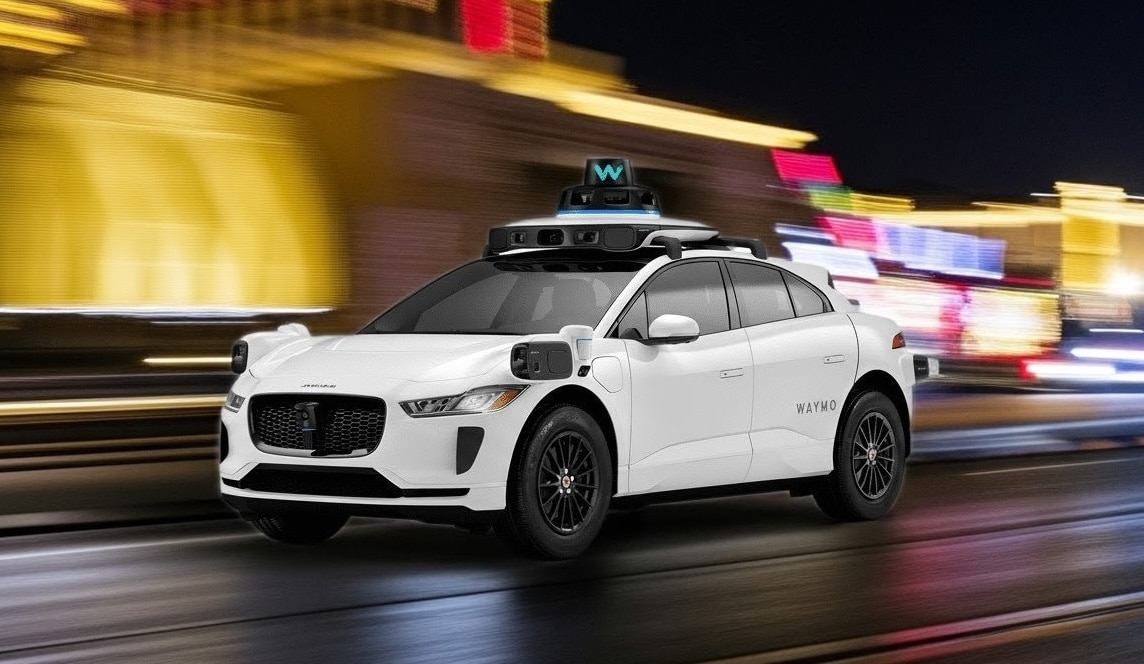
Waymo has been forced to take precautionary measures after several recent incidents, keeping its robotaxis off highways due to technical problems. The company has also temporarily suspended operations in four U.S. cities because of heavy rain and flooding, which these vehicles still cannot handle reliably.
Waymo currently operates in eleven cities across the United States and has ambitious plans to extend its service to 21 more cities, including international launches in London and Tokyo.
The latest events reveal, however, that achieving the goals the company has set for itself will not be as easy as it seemed. The artificial intelligence systems of the robotaxis still have significant limitations in extreme weather conditions. For example, a Waymo vehicle in Atlanta drove into a flooded street and was stranded for roughly an hour. This incident led to the temporary suspension of service in Atlanta (Georgia). Additionally, due to severe bad weather, the company paused operations in three Texas cities: Dallas, Houston and San Antonio.
It is worth noting that although Waymo had released a software update the previous week precisely to improve behavior on flooded streets, the problem in Atlanta occurred after that improvement. For this reason, the company decided to halt operations as a precautionary measure.
Urban routes only
On the other hand, it has also temporarily suspended highway trips in San Francisco, Los Angeles, Phoenix and Miami. According to Waymo, the goal is to refine the vehicles’ performance in construction zones. The company says it is incorporating the lessons learned these past few days into its software and expects to resume these services soon.
Highway routes were introduced in November 2025, after starting with urban routes only. However, it seems the artificial intelligence still requires more training, especially to properly handle road works and adverse weather conditions.


 Peugeot E-208 GTi: a battery-powered toy that revives the spirit of the 1980s sports cars
 New Lexus ES: luxury grows and goes electric
 First contact with the Dacia Sandero Hybrid 155: power and efficiency from €19,890
Deja un comentario