Nedavna studija pokazuje visoku razinu zadovoljstva vozača električnog kamiona
 Javier Cantagalli
16 May 2026
2 min.
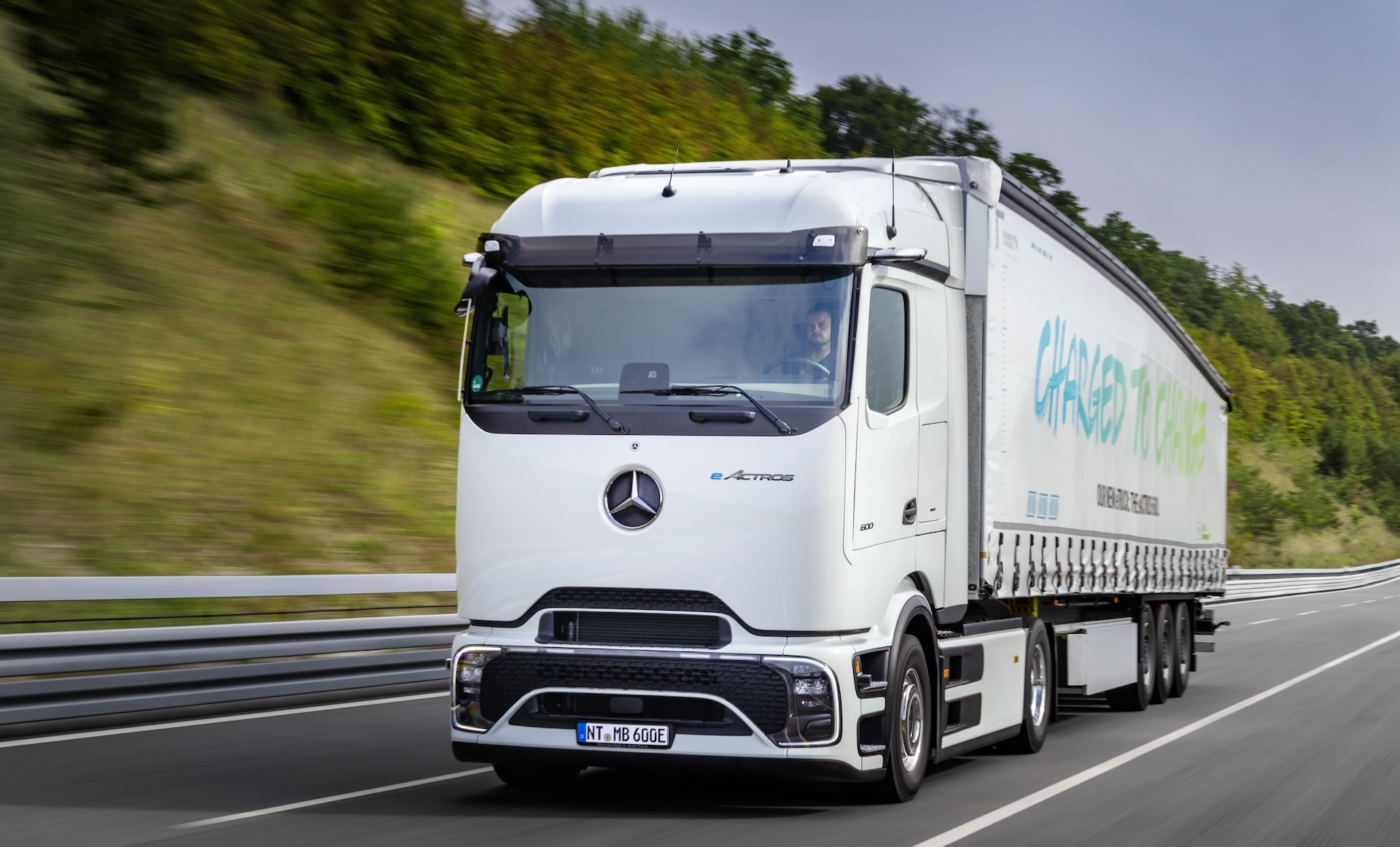
Električni kamioni za prijevoz robe na duge relacije prestaju biti marginalna opcija i postaju sve učvršćenije rješenje u Njemačkoj, iako je još potrebno ostvariti napredak u troškovima i infrastrukturi kako bi se njihova ekspanzija ubrzala.
Anketa koju je nedavno proveo njemački institut Oeko-Institut među 57 prijevoznih tvrtki koje su najmanje godinu dana koristile teška električna vozila u svojim svakodnevnim operacijama ne ostavlja nikakve dvojbe: 93 posto tvrtki smatra da su kamioni s potpuno električnim pogonom pouzdana i isplativa alternativa konvencionalnim dizelskim vozilima.
Ova studija dio je projekta ELV-Live, koji financira savezna vlada ove srednjoeuropske zemlje, a usmjeren je na procjenu stvarnog prihvaćanja ove vrste kamiona nakon dugotrajne uporabe. Ranije je u veljači isti institut ispitao 200 stručnjaka za logistiku i tada je 61 posto njih već razmatralo mogućnost nabave električnih kamiona, iako je samo 28 posto imalo čvrste planove za usvajanje do 2030. godine. Sada je fokus stavljen na pionirske tvrtke koje već upravljaju tim vozilima, od kojih mnoge raspolažu modelom eActros 600 marke Mercedes-Benz.
Among the main advantages highlighted by the surveyed users, it is worth noting the exemption from tolls for electric trucks and the low cost of electricity compared with diesel, key factors for their profitability. In addition, respondents rate their technical reliability very positively, which they consider even higher than that of conventional diesel trucks. Driving comfort is another highly praised aspect.
There is still work to be done
Despite these positive results, the study points to some obstacles to the mass adoption of this type of truck. High acquisition costs and bureaucratic and financial difficulties in expanding charging infrastructure, as well as improving connections to the electricity grid, remain a brake on the transition to electric mobility in long-distance freight transport.
The companies consulted also criticise the public charging infrastructure, which they consider insufficient. Many points are not adapted for use by electric trucks, prices are high and flexibility is lacking. They therefore call for more truck-specific stations, more space, more affordable and transparent tariffs, and the possibility of reserving charging points.
In any case, there are multiple motivations for adding these vehicles to transport companies’ fleets, starting with savings on energy costs and tolls, without forgetting compliance with environmental and climate objectives, customer pressure and the need to modernise the fleet for the future.
Overall, the 57 companies surveyed operate around 300 electric trucks, and the majority opinion among them is that by 2030 these vehicles will be a regular part of their fleets.


 Kia nudi električnu gamu od 10 modela, 50 verzija i 400 mogućih kombinacija
 Sedam finalista za Automobil godine u Europi 2027. (COTY) isključivo su električni
 Peugeot E-208 GTi: un juguete con pilas que recupera el espíritu de los deportivos de los ochenta
Deja un comentario