A recent study shows the high level of satisfaction among drivers of an electric truck
 Javier Cantagalli
16 May 2026
2 min.
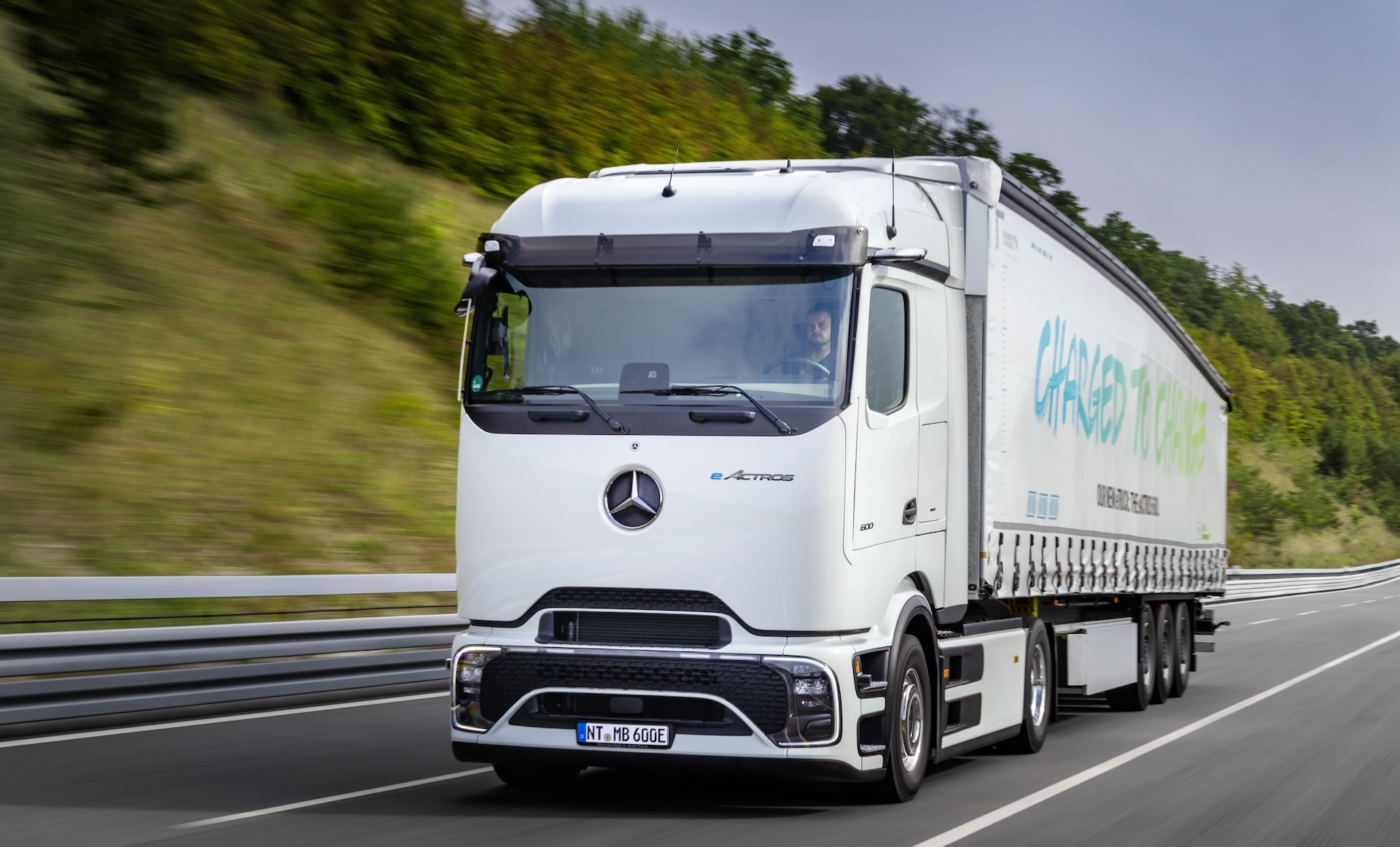
Electric trucks for long-haul freight transport are moving from a marginal option to an increasingly established solution in Germany, although progress is still needed on costs and infrastructure to accelerate their expansion.
A survey recently carried out by the German Oeko-Institut among 57 transport companies that had been using heavy electric trucks in their daily operations for at least a year leaves no room for doubt: 93 percent of the companies consider fully electric trucks to be a reliable and cost-effective alternative to conventional diesel vehicles.
This study is part of the ELV-Live project, funded by the federal government of this central European country, focused on assessing the real acceptance of this type of truck after prolonged use. Previously, in February, the same institute had consulted 200 logistics professionals and, on that occasion, 61 percent already considered the possibility of purchasing electric trucks, although only 28 percent had firm plans to adopt them by 2030. Now, the focus has shifted to pioneering companies that already operate these vehicles, many of which have the eActros 600 from Mercedes-Benz.
Among the main advantages highlighted by the users consulted, the exemption from tolls for electric trucks and the low cost of electricity compared with diesel stand out as key factors for their profitability. In addition, respondents rate their technical reliability very positively, which they consider even higher than that of conventional diesel trucks. Driving comfort is another aspect that is highly praised.
There is still work to be done
Despite these positive results, the study points to some obstacles to the mass adoption of this type of truck. High acquisition costs and the bureaucratic and financial difficulties involved in expanding charging infrastructure, as well as improving connections to the electricity grid, remain a brake on the transition to electric mobility in long-haul freight transport.
The companies consulted also criticise the public charging infrastructure, which they consider insufficient. Many sites are not adapted for use by electric trucks, prices are high and flexibility is lacking. For this reason, they call for more truck-specific stations, more space, more affordable and transparent tariffs, and the possibility of reserving charging points.
In any case, there are multiple motivations for adding these vehicles to transport company fleets, starting with savings on energy costs and tolls, not forgetting compliance with environmental and climate targets, customer pressure and the need to modernise the fleet for the future.
Overall, the 57 companies surveyed operate around 300 electric trucks, and the majority view among them is that by 2030 these vehicles will be a regular part of their vehicle fleets.


 Peugeot E-208 GTi: a battery-powered toy that revives the spirit of the 1980s sports cars
 New Lexus ES: luxury grows and goes electric
 First contact with the Dacia Sandero Hybrid 155: power and efficiency from €19,890
Deja un comentario