A new challenge for Beijing's pollution: replacing petrol and diesel taxis with electric vehicles
 Victor Alós Yus @sepelaci
3 March 2017
3 min.
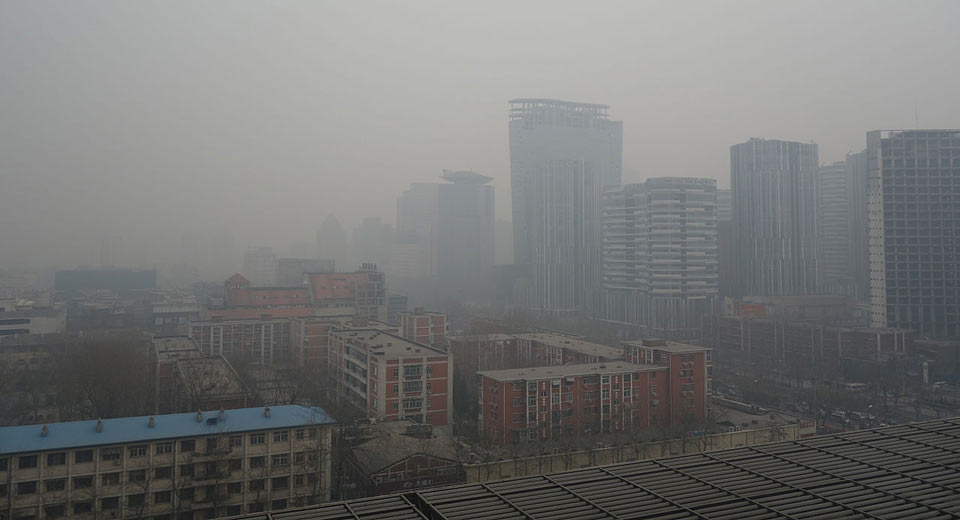
Beijing’s authorities want to reduce air pollution in the Asian capital by replacing the city’s taxis with electric vehicles
Large cities’ measures to combat the heavy air pollution hanging over their streets are not letting up. In Madrid we have seen several measures that have certainly not been very popular, but other cities have gone further and banned the most polluting cars from their city centres. Some cities, such as London, charge tolls for driving on the most central streets, and the introduction of hybrid and electric vehicles is essential for many of those city councils.
But some cities go further and want to do all at once what many are considering doing gradually. The city of Beijing is going through particularly delicate times as far as the health of its inhabitants is concerned, due to the heavy pollution found in the air. The authorities’ solution is to do something drastic and extremely complicated: replace all taxis running on fossil fuels, both petrol and diesel models, with 100% electric taxis.
Given that Beijing has around 70,000 taxis, the switch from polluting models to others that run completely free of emissions will be noticed immediately. For now, this is a proposal that has not yet become law and may never happen, although the health benefits for Beijing residents would be considerable. But why do we doubt that something so radical will happen, despite its benefits?
More than one and a half million deaths caused by pollution justify the high cost of the project Mainly because of the cost of this decision. It is estimated that replacing all taxis with electric models will cost a total of 9 million yuan, equivalent to about 1,238 million euros. But it is not only a matter of how to change the cars; an infrastructure must also be created that can absorb the needs of 70,000 new electric vehicles. Or even more, if the trend of buying this type of vehicle becomes popular in the Chinese city.
In 2014, 400 electric units were added to Beijing’s taxi fleet, and problems were not long in coming. Specifically, queues of up to six hours formed to access the charging points, which did not help the positive perception of this type of measure. The municipal authorities will have to build a major charging network that prevents these crowds. This number of vehicles could not provide service until this network is fully installed.
The cost of something like this is very high, but the traffic managers of the Asian capital weigh the figure that the University of California has offered as an estimate of deaths caused by pollution in the country: 1.6 million people dying as a result of the pollution produced by car exhaust fumes.
Via | Carscoops

 Kia offers an electric range of 10 models, 50 versions and 400 possible combinations
 The seven finalists for the 2027 European Car of the Year (COTY) are exclusively electric
 Peugeot E-208 GTi: a battery-powered toy that revives the spirit of the 1980s sports cars
Deja un comentario