China tightens regulations for extended-range electric vehicles
 Javier Cantagalli
8 June 2026
2 min.
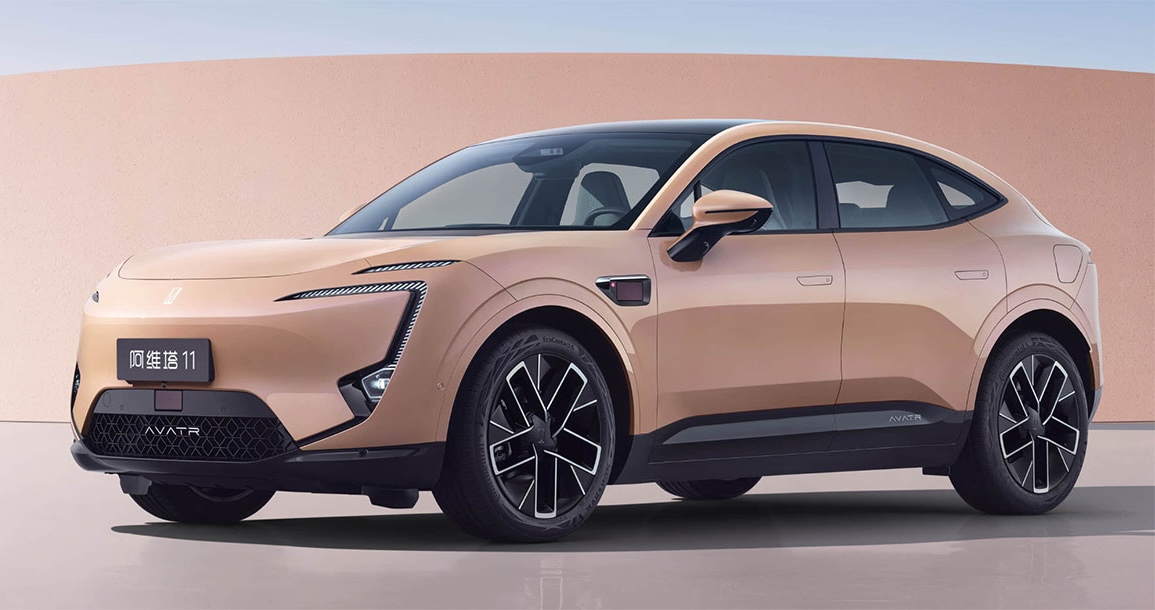
With this update, Chinese authorities aim to raise the quality and reliability of EREVs, consolidating their position in an increasingly competitive and mature market.
China has announced a significant revision of the technical regulations applicable to electric vehicles with range extenders, popularly known as EREVs. The new industry standard QC/T 1086-2026 will take effect in November 2026 and replaces the previous 2017 version. This update responds to the strong growth these vehicles have experienced in the Chinese market over recent years.
The main novelty lies in the fact that the standard moves from establishing general conditions to defining specific technical requirements and detailed test procedures. The change is even reflected in the title, which goes from indicating “Technical Conditions” to “Technical Requirements and Test Procedures“. This represents a much more demanding and binding framework for manufacturers.
Until now, many specifications were qualitative and vague, such as stating that the systems had to correspond to the product’s technical documentation. The new version introduces measurable and verifiable values. In addition, the standard delves into aspects such as electromagnetic compatibility and the acoustic and vibration behavior of the range extender. The aim is to ensure that the generator, power electronics and electric motor operate without interference, and that the additional combustion engine meets stricter and standardized noise and vibration criteria.
Additional developments to keep in mind
Another important addition is durability testing. It includes a 750-hour test with variable loads and a start-stop test of 100,000 cycles, which simulate real-world use equivalent to roughly 300,000 kilometers, including urban driving with frequent engine starts and stops.
The scope of application has also been expanded. It now covers not only traditional range extender systems but also more integrated designs where the generator and propulsion functions share a single transmission unit.
This regulatory tightening is a consequence of the growing relevance of EREVs in China. The sector has enjoyed five consecutive years of strong expansion. Brands such as Li Auto, Zeekr, Seres, Deepal, Leapmotor and IM Motors have significantly expanded their range of these vehicles, and the upward trend shows no signs of slowing down.

 Peugeot E-208 GTi: a battery-powered toy that revives the spirit of the 1980s sports cars
 New Lexus ES: luxury grows and goes electric
 First contact with the Dacia Sandero Hybrid 155: power and efficiency from €19,890
Deja un comentario