Dacia plans to shake up the market with a city electric car priced at 18,000 euros
 Javier Cantagalli
21 February 2025
3 min.
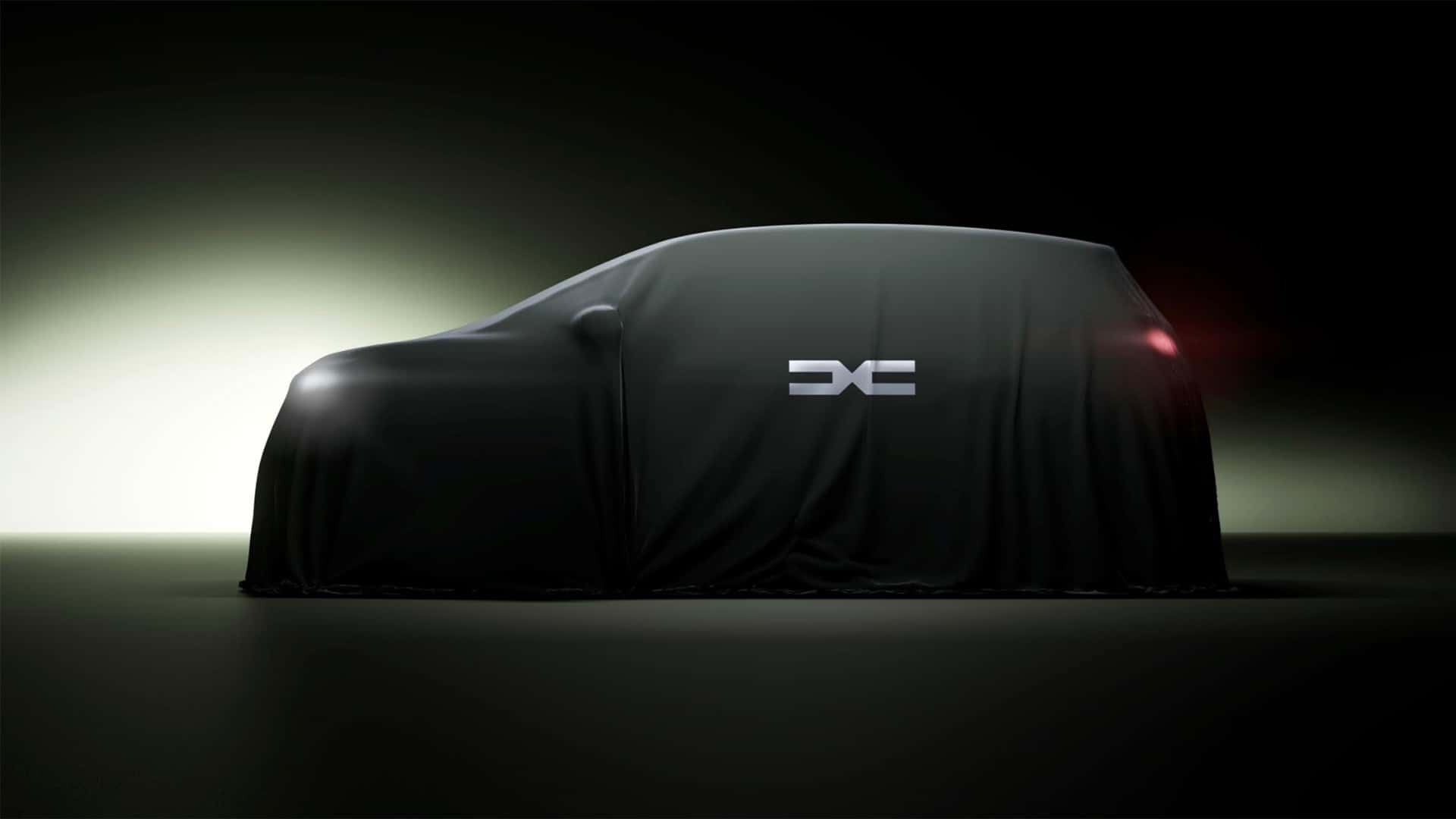
Over the next two or three years several manufacturers plan to launch similar electric models, and Dacia also wants to make a difference in this market segment with its Low Cost pricing policy.
Dacia, the Romanian subsidiary of Renault, is preparing to sell in the European market a new electric model aimed at urban use that will stand out for its affordability. The company has set itself the goal of pricing it at around 18,000 euros. This model will take advantage of the technology of the Renault Twingo E-Tech, which will soon reach the market, allowing costs to be lowered and its development to be drastically accelerated.
According to Luca de Meo, CEO of the Renault Group, the goal is to have it ready in just 16 months, a record timeframe that will allow the company to position it in the market ahead of its rivals and at a lower selling price.
The short development time of this new urban model from the Romanian manufacturer will be possible because it will share a platform and some technological elements with the new electric Twingo. The price of the latter is expected to be around 20,000 euros in its most affordable version, so Dacia’s electric city car will be about two thousand euros cheaper.
One step above the Spring within Dacia’s electric range
With a base price of just under 16,000 euros, the Dacia Spring, also electric, will nevertheless remain somewhat more affordable. The Spring features a single electric motor of 33 or 48 kW, paired with a 26.8 kWh battery pack, which allows it to cover 225 km on a single charge under the WLTP homologation cycle, with a supported charging power of 30 kW.
Although the technical specification sheet of the new Twingo E-Tech is not yet known, it is expected to offer a somewhat greater range, which should be around 300 km, and a higher supported charging power as well. Given that Dacia’s new urban model will be based on this latter car, it seems clear that its specifications will also be superior to those of the Dacia Spring, as will its price.
Another distinguishing aspect of Dacia’s new electric city car compared with the Spring will be its place of production. While the latter arrives in Europe from China, which entails paying import duties, the new Dacia will not need to be imported, since it will be manufactured on the continent alongside the Twingo E-Tech.
Both models will use a version of the AmpR Small platform, the same one also used by the new Renault 5 and Renault 4. According to de Meo, the very low selling price of the first two will be possible thanks to a significant reduction in production costs. For example, the production of the Twingo E-Tech is estimated to be 40 percent cheaper than that of the Renault 5, as a result of using 30 percent fewer components, for a total of 750 parts per vehicle.
The market launch of Dacia’s new electric city car is scheduled for mid-2026, probably a few months after the Twingo E-Tech arrives on the European market.


 Kia offers an electric range of 10 models, 50 versions and 400 possible combinations
 The seven finalists for the 2027 European Car of the Year (COTY) are exclusively electric
 Peugeot E-208 GTi: a battery-powered toy that revives the spirit of the 1980s sports cars
Deja un comentario