KIA PV5 Electric Cars Furgonetas
KIA ships the first batch of its PV5 van to Japan to begin its commercialisation
 Javier Cantagalli
15 May 2026
2 min.
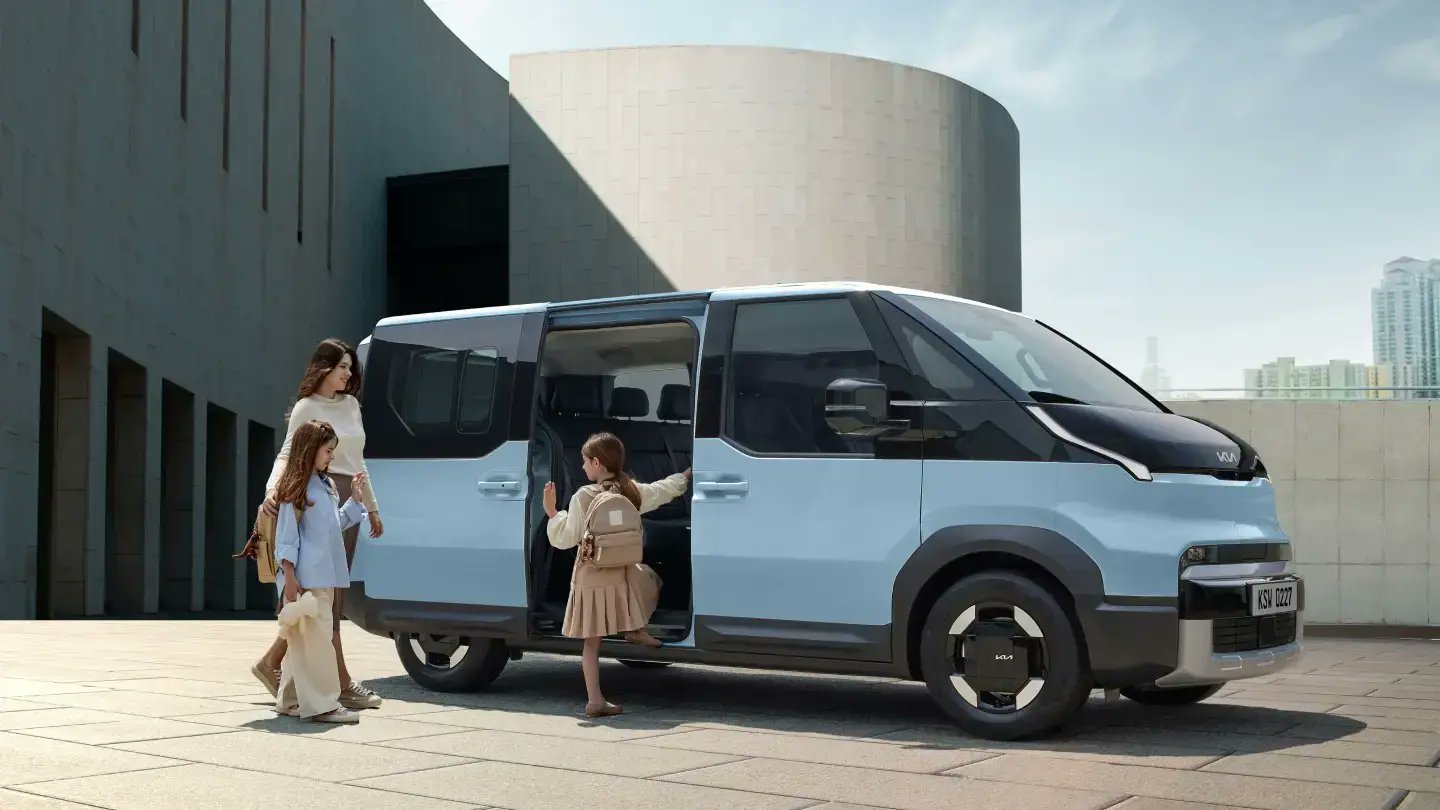
The South Korean manufacturer is thus moving forward with determination in its global strategy focused on commercial and passenger electric vehicles based on PBV platforms.
KIA has started exporting the PV5 model to Japan, a key step ahead of the launch of this commercial vehicle on the Japanese market scheduled for this spring. With this move, the South Korean manufacturer introduces its first purpose-built vehicle (PBV) to this market.
This first batch, made up of 34 units, arrived at the port of Mikawa, in Toyohashi (Aichi Prefecture). These vehicles are produced at the dedicated PBV plant that KIA operates in Hwaseong, Gyeonggi Province, South Korea. The company has an annual production capacity of up to 100,000 units exclusively for the PV5.
To manage its arrival in the Japanese market, KIA has appointed Sojitz Corporation as its official importer and distributor. This alliance will operate through a new wholly owned subsidiary called KIA PBV Japan, which will be responsible for marketing the brand’s PBVs. The PV5 will be offered in Passenger and Cargo versions. Both models, together with an accessible wheelchair variant (WAV) and the Spielraum Glow cabin prototype developed with LG Electronics, were first presented in Japan at the Japan Mobility Show 2025.
Specifications to consider for both versions
The Passenger version will be launched only with a standard body, measuring 4.695 m long, 1.895 m wide and 1.900 m high, with a wheelbase of 2.995 m. This model has space for five occupants and will be available with two electric powertrain options: a 89 kW motor with 250 Nm of torque, with a 51.5 kWh NCM battery, offering 377 km of WLTC range; and another of 120 kW and 250 Nm of torque with a 71.2 kWh battery, capable of travelling up to 521 km per charge.
For its part, the Cargo version keeps the same exterior dimensions and has a loading space of 2.255 m long, 1.565 m wide (above the wheel arches) and 1,520 mm high, with a loading sill height of 41.9 cm. Its total volume is 4,420 litres, enough to carry two Euro pallets. Customers will be able to choose between three configurations: a 110.8 kW powertrain with a 43.3 kWh LFP battery, the 89 kW one with a 51.5 kWh battery, which allows 379 km WLTC with a payload of 700 kg, and the 120 kW one with a 71.2 kWh battery, which offers a range of 528 km WLTC with a payload of 600 kg.
Technical specifications of this car


 Peugeot E-208 GTi: a battery-powered toy that revives the spirit of the 1980s sports cars
 New Lexus ES: luxury grows and goes electric
 First contact with the Dacia Sandero Hybrid 155: power and efficiency from €19,890
Deja un comentario