Polestar wants to leave Scandinavian minimalism aside when it comes to the interiors of its new vehicles
 Javier Cantagalli
19 February 2026
3 min.
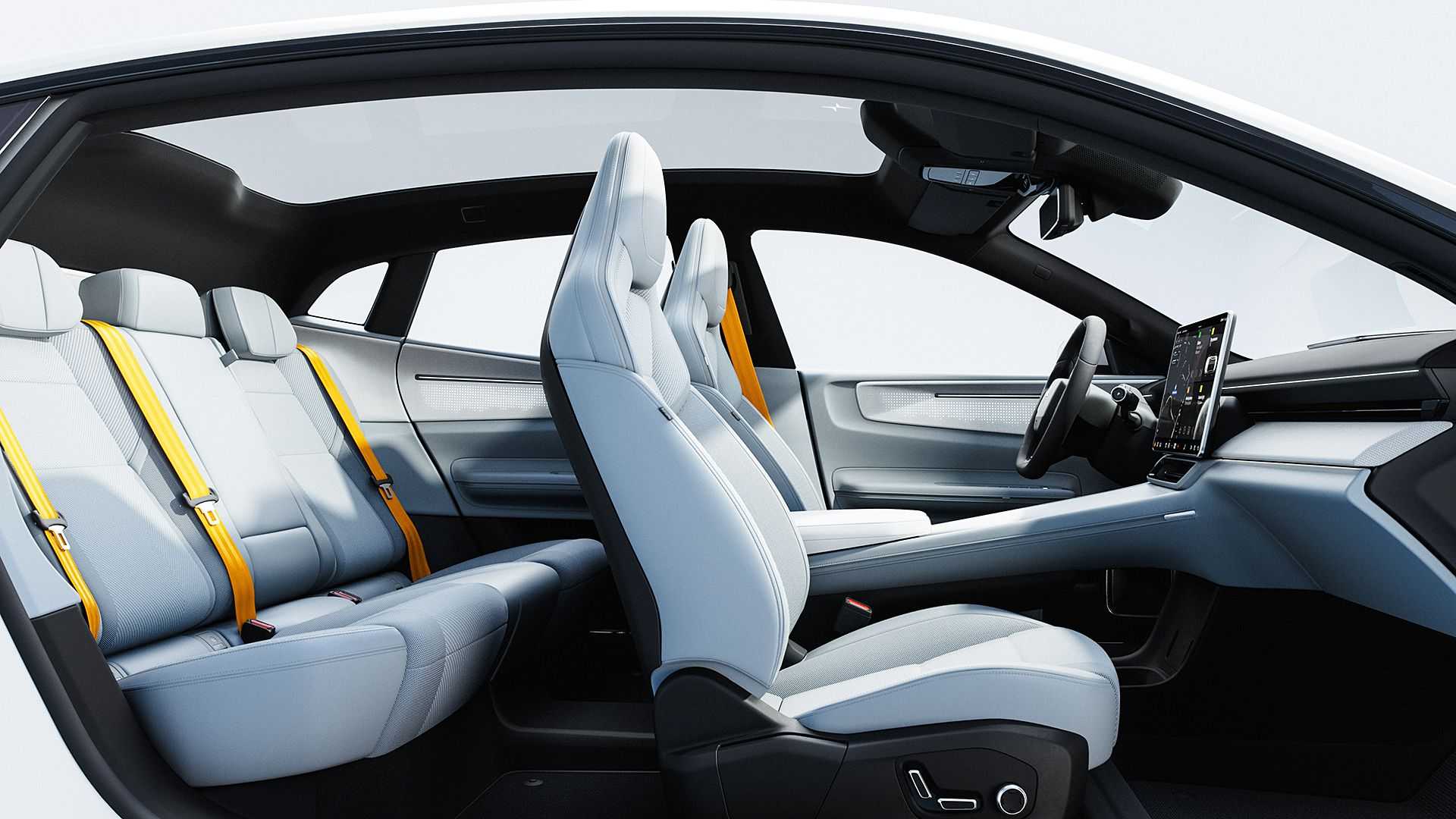
With this change of direction, Polestar seeks to refresh its image, connect better with its fundamentally young customer base, and align itself with the new safety regulations.
The Swedish manufacturer, under the control of the Chinese giant Geely, has decided to leave behind predominantly grey interiors and the overuse of touch controls via screens. As part of its ambitious plan to add four new electric vehicles to its range before the end of 2028, Polestar plans to reduce the virtual buttons present in its current models and rely on more traditional physical controls.
According to Philipp Römers, the brand’s current head of design, the cabins of new vehicles bearing the polestar logo will gain personality through the incorporation of more vivid and varied colours, thus breaking with the monochrome sobriety that has characterised the brand’s vehicles until now.
Additionally, and as a consequence of the new strategy, the infotainment systems of these new vehicles, although they will continue to run Google’s Android Automotive, will offer greater customisation options to better suit users’ tastes.
Back to the roots
Currently, in the most recent models from the Swedish manufacturer, such as the Polestar 3 and the Polestar 4, it is only possible to configure their interior by choosing grey, white or black tones for the cabin. Considering that most of the brand’s customers are younger than those of rival brands—around 45 years old—the design team at Polestar believes the time has come to make some changes.
On the other hand, current Polestar models concentrate most controls on the central infotainment screen, complemented by some buttons on the steering wheel and a rotary dial for volume. This philosophy will be maintained in the next Polestar 5, the brand’s new flagship whose sales will begin this summer, and it is expected to be similar in the estate version of the Polestar 4, which will also reach the market this year.
However, in upcoming medium-term launches, such as the second generation of the Polestar 2 or the compact SUV Polestar 7, the design direction will be very different, opting for much more intuitive, colourful interiors with a renewed balance between touch technology and physical controls.
The return, to a certain extent, to a greater prevalence of physical buttons inside vehicles is not, in any case, a new path started exclusively by Polestar. The new restrictions set by Euro NCAP, the European benchmark body for crash testing, are prompting a change of direction among the vast majority of manufacturers, since to obtain the maximum safety rating it will be necessary to incorporate physical controls for certain essential functions, as these are considered to reduce driver distraction compared with controls integrated into screens.


 Kia offers an electric range of 10 models, 50 versions and 400 possible combinations
 The seven finalists for the 2027 European Car of the Year (COTY) are exclusively electric
 Peugeot E-208 GTi: a battery-powered toy that revives the spirit of the 1980s sports cars
Deja un comentario