Problems in China: electric cars are heavy, they damage the roads, and there is no money to repair them
 Victor Alós Yus @sepelaci
22 July 2026
3 min.
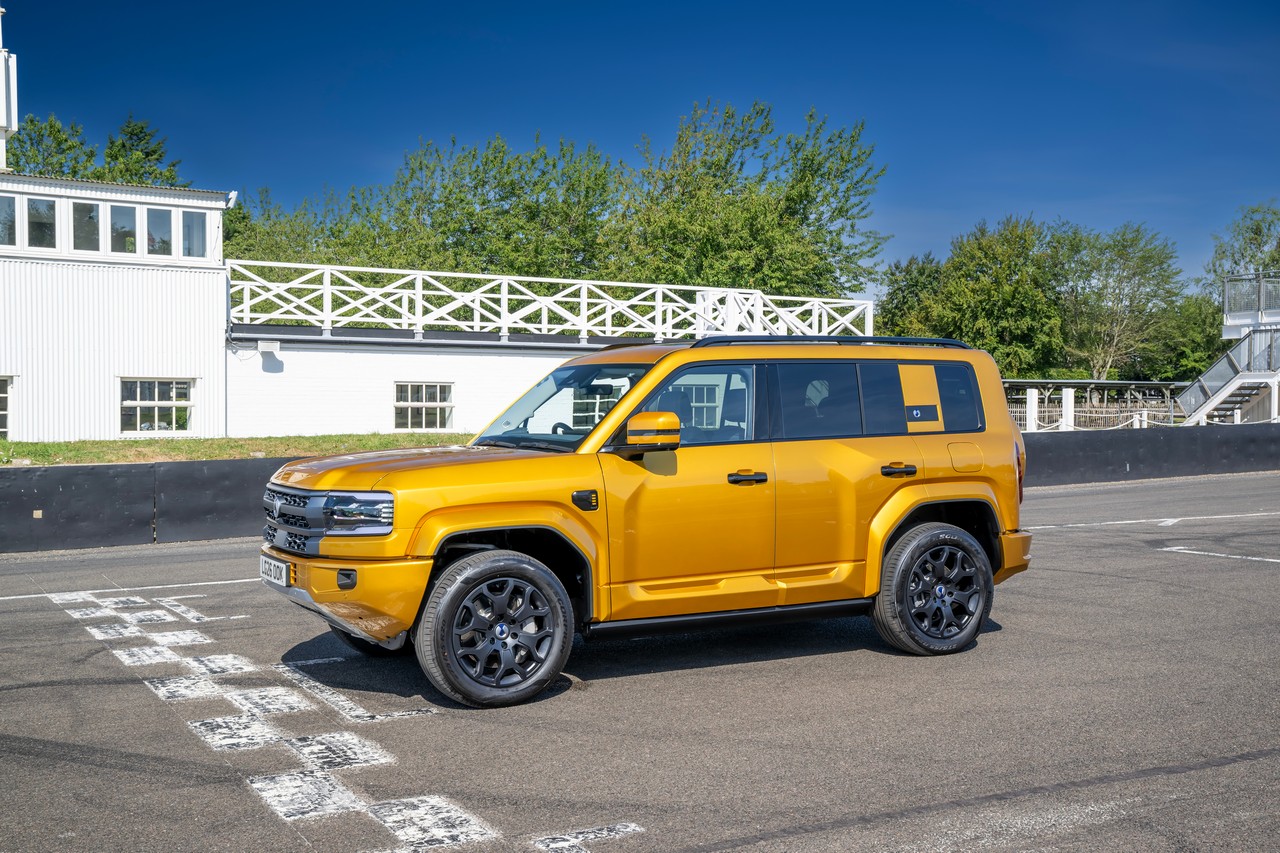
The presence of large, heavy electric cars in China is causing problems on the country’s roads, since they cannot be properly maintained.
The rollout of electric vehicles in China is going very well. In fact, one could think it is going too well. This increase in the number of electric vehicles is causing a problem that was not anticipated and that has to do with the condition of the roads. There is one characteristic of these vehicles that is quite worrying, and that is their weight. Electric cars weigh considerably more than cars with combustion engines, and, in addition, increasingly long models, close to five metres, are becoming popular.
And not only are cars and MPVs of that size being manufactured, but the offer of future models is also growing with saloons, SUVs and MPVs that are ever larger and heavier. Each new large model put on the market weighs around 3,000 kg. And the weight of these vehicles is damaging Chinese roads. The problem arises when it comes to repairing those roads.
There is not enough money to keep the entire Chinese road network in good condition, and this is because less and less money is raised through taxes on fuel. This is logical: if there are more electric cars, the number of cars with combustion engines decreases, and considerable revenue from taxes on traditional fuels is lost. And that money is what is used to maintain the roads.
The budget for maintaining Chinese roads is 50% lower than in previous years, which is reflected in road repair work. The deficit is thought to be around 300,000 million yuan, equivalent to about 38,850 million euros per year. A serious problem for which the Chinese government is seeking a solution.
The proposed solutions
This is happening in China, but it will also happen in the rest of the world. So solutions are starting to be proposed that would help offset the deficit and recover the money being lost elsewhere. One of the proposals has been to reduce the subsidies for buying electric vehicles. The discount on the sales tax for new energy vehicles (NEVs) has been halved, now standing at 5% with a maximum of 15,000 yuan, about 1,800 euros. Exemptions from the vehicle tax for electric and plug-in hybrid vehicles and for extended-range electric vehicles will also be eliminated.
In the province of Hainan, a pilot programme is being carried out, based on data obtained by a satellite navigation system that tracks several vehicles. The aim is to implement a dynamic tax applied to each kilometre travelled, which will vary according to the vehicle category.
But the main offensive of the Chinese government against this problem is to remind manufacturers of the problem caused by large cars and vehicles of similar weight. The industry is being pressed to reduce vehicle weight, using lighter materials and less heavy batteries and traction systems.
This problem could reach other markets, such as Europe, so it is worth watching how it is resolved in China, because it may be key in shaping action in our market.


 Peugeot E-208 GTi: a battery-powered toy that revives the spirit of the 1980s sports cars
 New Lexus ES: luxury grows and goes electric
 First contact with the Dacia Sandero Hybrid 155: power and efficiency from €19,890
Deja un comentario