Sales of Tesla in Europe are finally recovering
 Javier Cantagalli
31 March 2026
2 min.
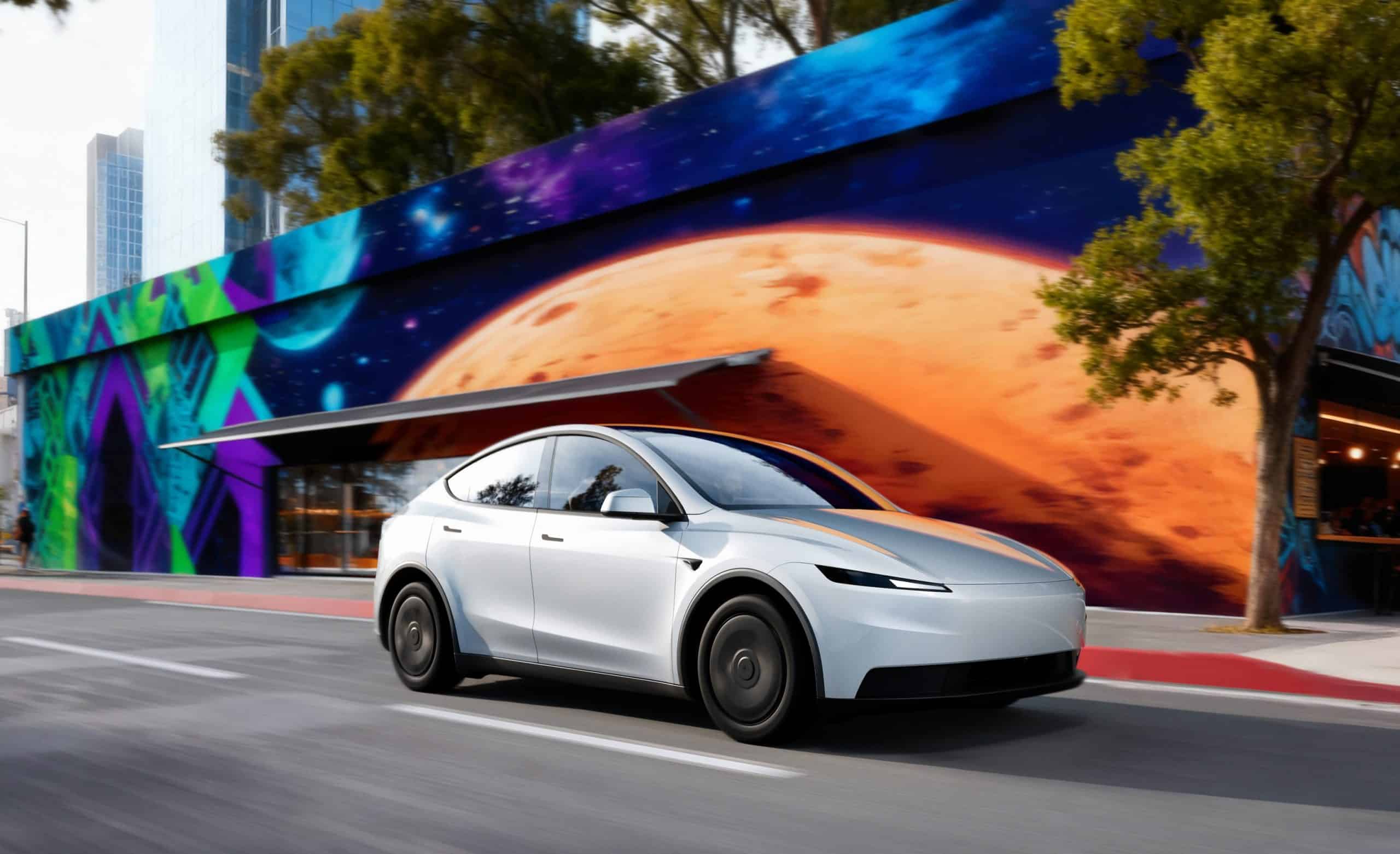
With its two electric models now well established in the market, this increase in sales is more significant for the company, as it does not correspond to a one-off spike caused by the launch of a new model.
Tesla has broken its negative streak of 13 consecutive months of falling sales in Europe, after the American brand recorded a notable year-on-year increase in registrations last month, an indicator considered reliable for actual sales.
According to data from the European Automobile Manufacturers’ Association (ACEA), in February Tesla delivered 13,740 vehicles in the European Union, the United Kingdom and EFTA countries, representing growth of 29.1 percent compared with the same month last year. Furthermore, the aggregate number of registrations of the brand’s vehicles in Europe during the first two months of the year amounted to 20,941 units, 16.7 percent more than the same period in 2025, when 17,947 units were registered.
Nevertheless, Tesla still trails BYD in the European market in the number of vehicles delivered to customers. Although, to be fair, this comparison is not entirely fair, as the Chinese manufacturer’s range is much broader and includes vehicles such as the Dolphin Surf city car, which inflates its sales figures given that it is quite an affordable vehicle.
BYD continues to perform strongly
In any case, in February BYD delivered 15,438 vehicles in Europe, an impressive year-on-year increase of 185.3 percent. Meanwhile, in the first two months of the year 29,291 vehicles of the brand were registered, 179.2 percent more than last year. It should be noted, however, that BYD does not only sell fully electric vehicles, as its line-up also includes plug-in hybrid models.
The growth in Tesla’s sales is, moreover, even more commendable when considering that the European car market as a whole grew by just 1.7 percent in February. Although it is true that sales figures for battery electric and plug-in hybrid models were far more positive. In February, 190,683 new battery electric vehicles were registered in Europe, up 15.8 percent, and 96,252 plug-in hybrids, with a strong rebound of 33 percent.
Nevertheless, non-plug-in hybrids remain the most in-demand type of powertrain in this market, with 375,862 vehicles of this type sold in February. This represents an increase of 10.4 percent. Although this figure is positive, it reflects more moderate growth than that recorded by battery electric and PHEV vehicles.
Meanwhile, petrol car sales fell by 17 percent, to 224,754 units, while diesel sales dropped by 13.5 percent, with 73,451 registrations. Diesel, in particular, has been in steep decline for months, giving up more and more space on European roads to battery electric and plug-in hybrid vehicles.


 Peugeot E-208 GTi: a battery-powered toy that revives the spirit of the 1980s sports cars
 New Lexus ES: luxury grows and goes electric
 First contact with the Dacia Sandero Hybrid 155: power and efficiency from €19,890
Deja un comentario