Spain joins Europe in banning combustion-engine cars by 2040, but... is it possible?
 Victor Alós Yus @sepelaci
15 November 2018
4 min.
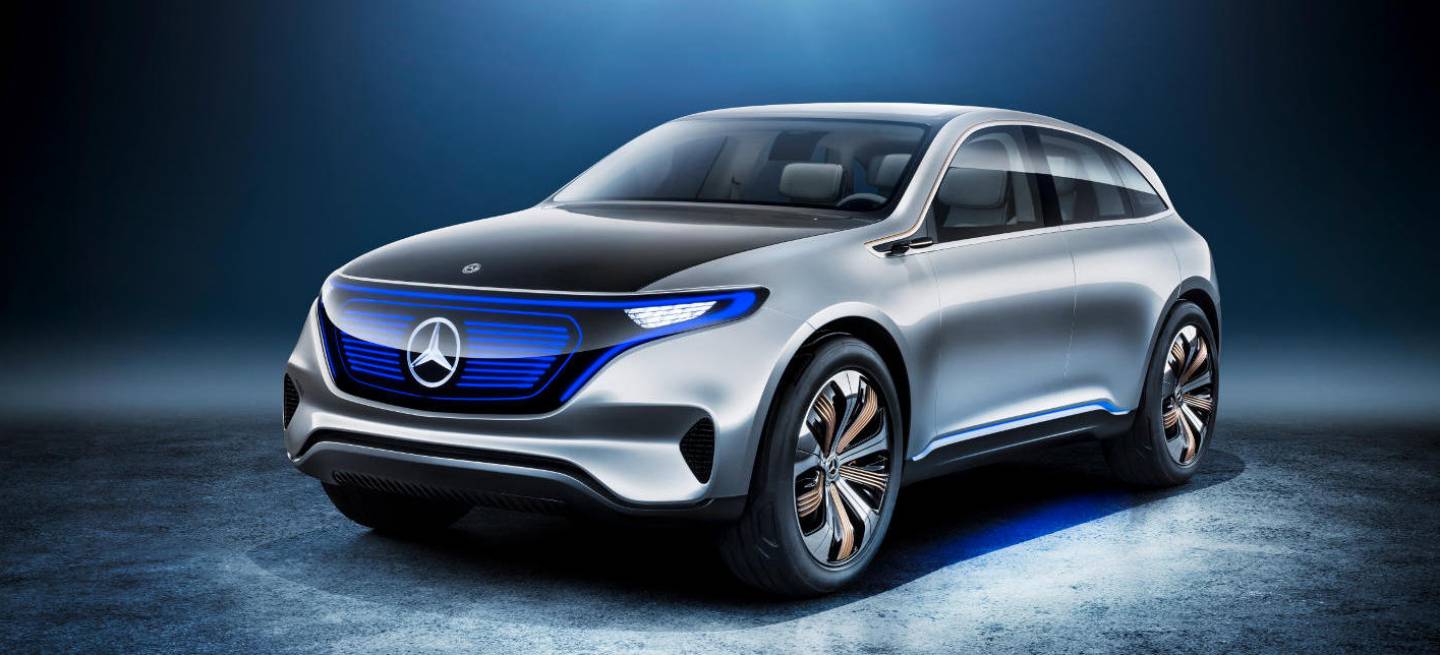
With the announcement that European governments want to ban combustion cars by 2040, many doubts arise, especially as to whether the technology will be ready
The news has hit the media and it seems to be very serious. Spain wants to ban the registration of cars with combustion engines and focus on electric cars. The measure will come into force from 2040, when no car with a petrol engine, diesel engine or even hybrids will be able to be registered. But is the technology ready for this proposal?
The big problem with this measure is that we do not know whether it will be possible to completely eliminate combustion engines in just over 30 years. Today we are told that electrified cars will begin their boom from 2022, a date that manufacturers repeat often and that seems to be the starting point for the more extensive manufacturing and marketing of electric cars.
Cars with polluting emissions will not be allowed to circulate from 2050
The measures are set out in the Climate Change and Energy Transition Law, which also indicates that no vehicle producing polluting emissions of any kind will be allowed to circulate. The date in this case will be a little further away, set for the year 2050. This announcement is not only from the Spanish government, but has also been proposed in the United Kingdom, France and Germany, among others, and other countries are expected to gradually follow the proposal.
The industry has spoken out about this announcement, expressing its disagreement. Its reactions have been varied, but none of the players in this very powerful industry has shown support for it. The manufacturers, united in Anfac, believe the measure is “excessive and accelerated“. Other associations, such as Faconauto or Gavam, assert that this type of announcement creates uncertainty among buyers and will lead to misinformation about current technology, and will do the industry no favours in the short, medium or long term.
Spain has 11,500 petrol stations versus 5,500 charging points
Another point to consider is the infrastructure of charging points for batteries. There are currently some 11,500 service stations in Spain, which supply fuel to cars and provide an excellent service. By contrast, when it comes to charging points, there are only 5,500, which is insufficient to meet all the demand for places to recharge the battery. Creating a complete network of service stations to offer electric charging would be one of the priorities to make all cars on the road electric.
Given this situation, we have another problem. Is the technology ready for such a radical change? Certainly, 20 years is long enough to make great strides in electric mobility. But this shift means that all advances in engines powered by Compressed Natural Gas or LPG, which have lower emissions than conventional engines but still release gases into the atmosphere, will be ruled out from the outset.
Manufacturers are working on less polluting combustion engines
Furthermore, brands are strongly committed to new engines, both diesel and petrol, capable of reducing polluting gas emissions. Indeed, the CEO of Volkswagen recently said that the group’s different brands would bet on more efficient diesel engines. These developments are rarely quick, and it can take several years before the new combustion engine technology is ready, so the deadlines imposed by governments and the reality of the market and the industry seem to be quite far apart.
Betting on electric vehicles sidelines other propulsion systems that may be more practical within that timeframe. The car industry does not seem ready for such a radical technological change, since current electric cars still have many drawbacks before they can be fully efficient. Twenty years can move technology and research a long way forward, but reality tends to be more stubborn than political intentions, and I am convinced there will be many changes to this law and similar ones.
What is certain is that the coming months will be quite eventful, when the numbers and data show that the electrification of cars may not be as beneficial as they think it can be. We will be watching. By the way, the one that has spoken in favour of this Climate Change and Energy Transition Law has been the cluster for the development of electric vehicles, which view the conversion of the European car fleet favourably. Will they be able to achieve that advance in such a short time?


 Kia offers an electric range of 10 models, 50 versions and 400 possible combinations
 The seven finalists for the 2027 European Car of the Year (COTY) are exclusively electric
 Peugeot E-208 GTi: a battery-powered toy that revives the spirit of the 1980s sports cars
Deja un comentario