The Chinese government sets stricter energy consumption limits for electric vehicles
 Javier Cantagalli
3 January 2026
2 min.
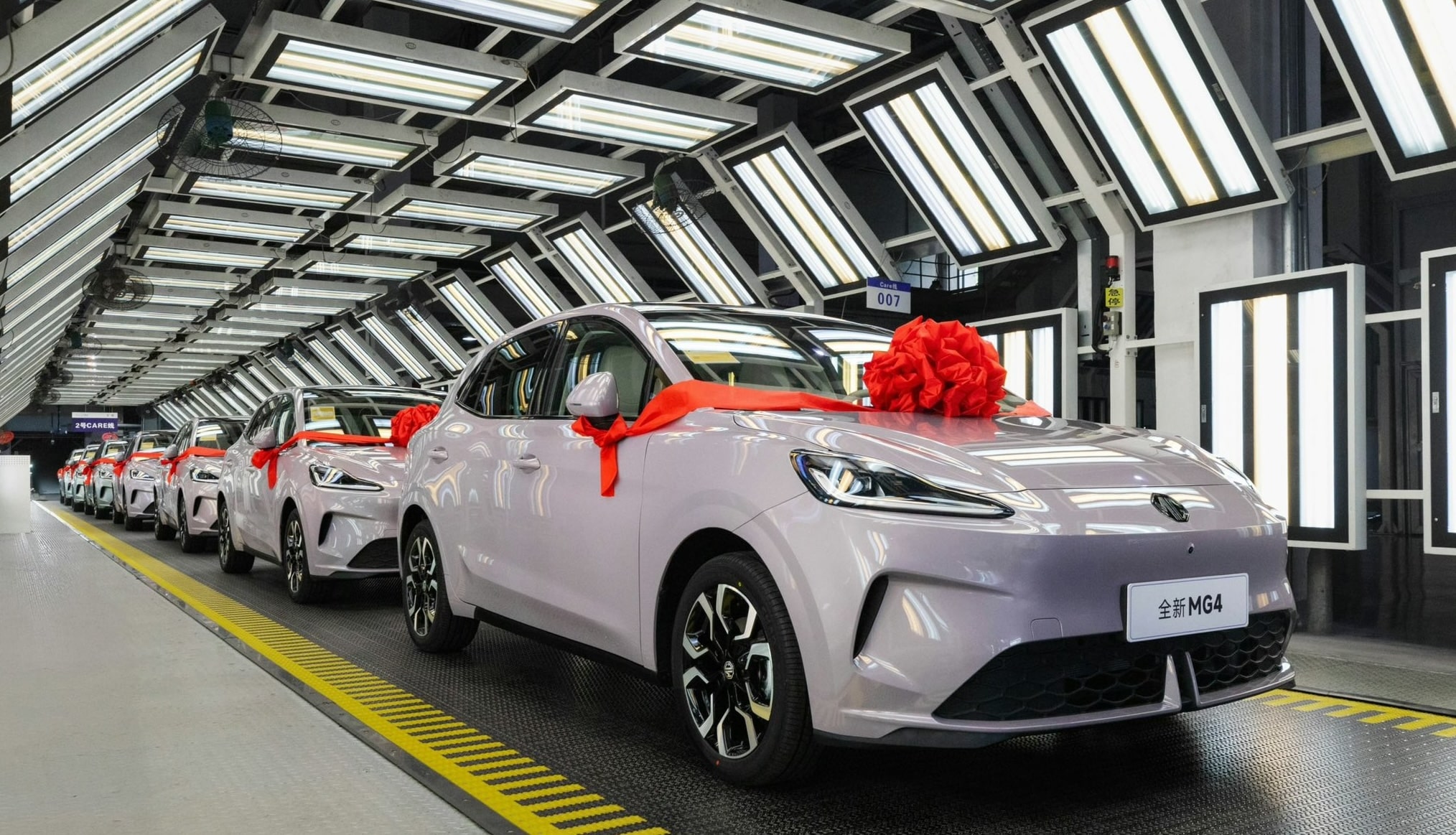
On January 1, 2026, the world’s first mandatory standard limiting the energy consumption of pure electric passenger vehicles entered into force in the Chinese market. This regulation, known as GB 36980.1-2025, establishes binding caps on energy consumption, which vary depending on the vehicle’s curb weight and its technical characteristics, replacing the former voluntary recommendations with legal requirements that apply immediately to all new models rolling off the assembly lines from now on.
The regulation tightens requirements by around 11 percent compared with the previous guidelines, incorporating criteria adapted to different usage scenarios and technological solutions. Thus, for example, for an electric car weighing about two tonnes, the maximum limit is now set at 15.1 kWh per 100 kilometres, always under the Chinese CLTC homologation cycle.
As we have already commented here at HighMotor on numerous occasions, the Chinese homologation cycle stands out for offering excessively optimistic range figures, which means lower energy consumption than real-world use. Bearing this in mind, and although no reliable direct conversion method exists, we can estimate that those 15.1 kWh of maximum energy consumption established equate to roughly just under 19 kWh per 100 km driven under the WLTP homologation cycle, the one used here in Europe.
This limit applies, as we have said, to pure electric vehicles weighing about two tonnes. In the case, however, of other compact models intended mainly for urban use with a notably lower weight, the maximum energy consumption established will be considerably lower.
A new headache for some manufacturers
According to Chinese media reports, quite a few electric vehicles on sale in the country exceed these new limits set by the regulation. In these cases, manufacturers will have to make adjustments to the propulsion systems of these vehicles to reduce their energy consumption, in some cases implementing software modifications. If, even so, it is not feasible to comply with the new limits, those models will not be able to continue being sold in the Chinese market and will have to be withdrawn from sale.
Finally, it should be noted that compliance with these new limits is directly linked to the tax incentives offered by the Chinese government to boost sales of electric models. In this way, only those pure electric vehicles that already meet the new restrictions will retain the purchase tax exemption.


 Peugeot E-208 GTi: a battery-powered toy that revives the spirit of the 1980s sports cars
 New Lexus ES: luxury grows and goes electric
 First contact with the Dacia Sandero Hybrid 155: power and efficiency from €19,890
Deja un comentario