Genesis Hyundai KIA Electric Cars
The Hyundai group is driving intelligent bidirectional charging under the sub-brand "AllDayEnergy"
 Javier Cantagalli
27 July 2026
2 min.
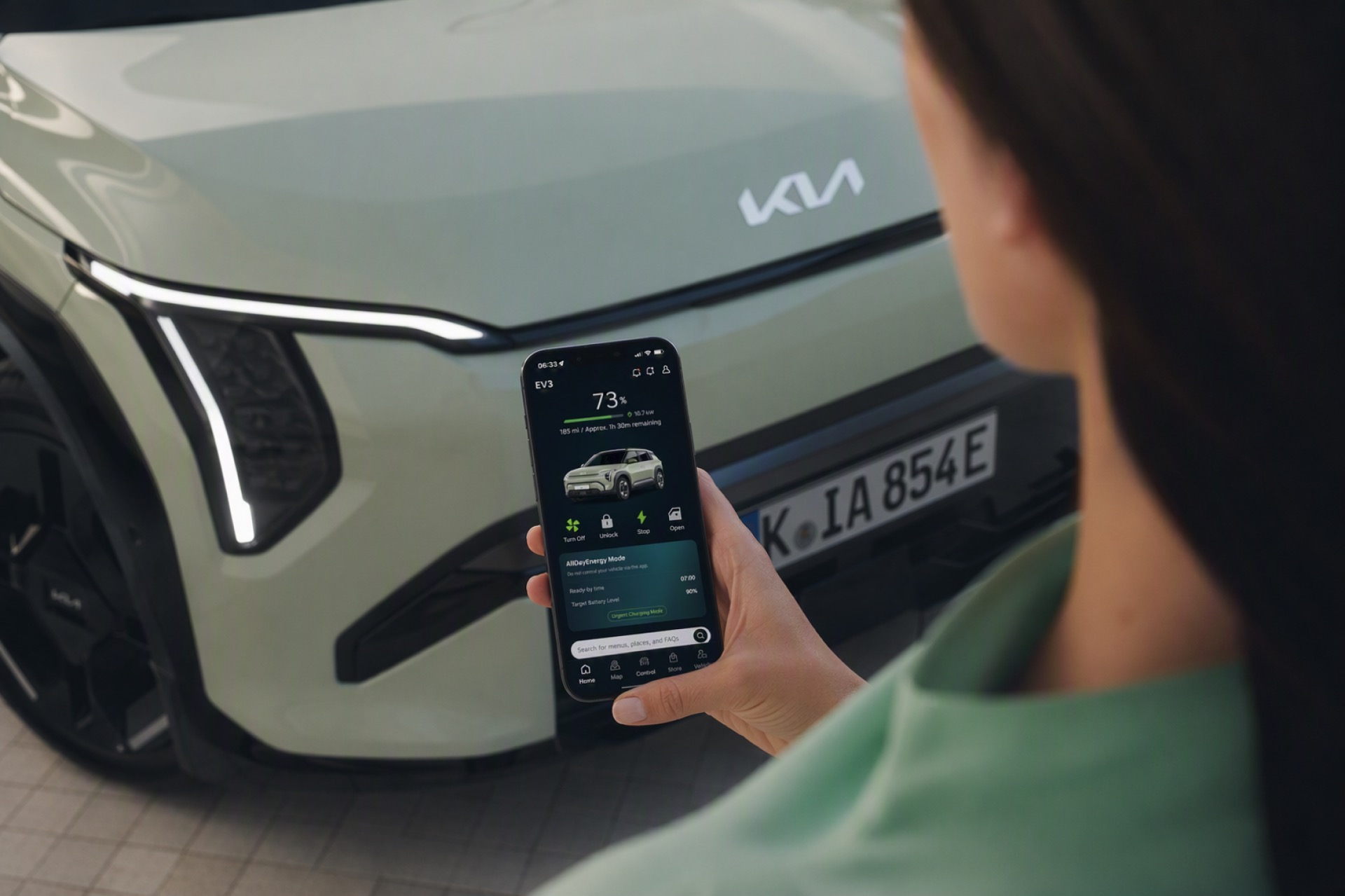
With “AllDayEnergy”, the Hyundai group will unify smart charging, V2G and V2H across the electric vehicles of its three brands.
The Hyundai group -which comprises the brands Hyundai, Kia and Genesis- has unveiled AllDayEnergy, a new umbrella brand with which it unifies and enhances its smart charging and energy management services. Under this name, the group aims to offer bidirectional charging solutions and the integration of electric vehicles into energy grids in a consistent way across all its markets.
The initiative responds to a shift in focus in electric mobility. While in the early years the emphasis was on charging power and the construction of fast-charging infrastructure, now the spotlight falls on the systemic integration of the electric vehicle as an active element of the grid. AllDayEnergy will bring together three main areas: unidirectional smart charging (V1G), the injection of energy into the public grid (V2G) and the supply of electricity to the home (V2H).
The rollout will be gradual and modular. The first phase will focus on conventional smart charging, in which electricity flows only from the grid to the vehicle. The system will dynamically adjust the timing of charging according to real-time electricity tariffs, grid load and user preferences. Later, bidirectional applications will be added, allowing the car’s battery to act as temporary storage for both the public grid and the home.
Strategy outline
The official launch is scheduled for the second half of 2026. It will begin in the United Kingdom through the Kia app and will subsequently extend to the rest of continental Europe, the United States and South Korea.
“We will continue to expand AllDayEnergy on a global scale so that our customers can easily optimise their energy consumption, reduce costs and contribute to the sustainability of the grid.”
Before making this announcement, the South Korean company had already built practical experience through several pilot projects. A large-scale V2G trial was carried out on Jeju Island (South Korea), while in the United States V2H applications have been successfully tested as an emergency power source, for example during wildfires. Likewise, in the Netherlands smart charging and V2G services have been implemented that respond to fluctuations in dynamic electricity prices.
The new services will be integrated directly into the official Hyundai and Kia apps. As they form part of the vehicle’s own software environment, the need for third-party solutions is eliminated, which should make them easier for users to adopt.


 Peugeot E-208 GTi: a battery-powered toy that revives the spirit of the 1980s sports cars
 New Lexus ES: luxury grows and goes electric
 First contact with the Dacia Sandero Hybrid 155: power and efficiency from €19,890
Deja un comentario