The new VAG petrol engines could definitively dethrone diesel
 Jaime Gomez
7 June 2017
2 min.
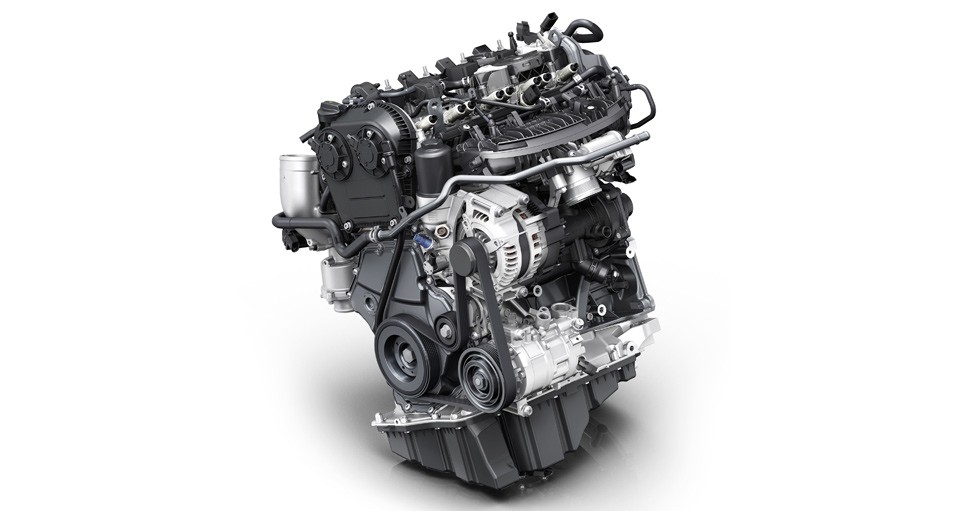
Volkswagen is preparing the arrival of a new generation of petrol engines that are more efficient than the current ones, known as B-cycle, in honour of their creator.
The Volkswagen group – and therefore all the brands that make it up – is set to debut a new generation of petrol engines shortly, one that could finally end the reign of diesel powerplants. The German manufacturer’s goal is to find a balance between consumption and performance that gives its engines an extra efficiency compared with their diesel equivalents.
To do so, the Bavarian group has designed a new type of B-cycle engine, a new design that promises to revolutionise the way this mechanical component is manufactured. The first model to receive this new engine will be the Volkswagen Tiguan, which will use a new 2.0 TSI block producing 184 CV of power.
What is the B-cycle and how does it work?
It is a working principle similar to the famous Miller cycle (one of the most widely used by the German brand in its cars, itself a variation of the Otto cycle), but which gives the engine greater energy efficiency.
In fact, through a slight displacement of the camshaft, the new engine will be able to operate in B-cycle during periods of normal power demand, and in Otto cycle during periods of maximum power.
B-cycle engines are supercharged units that achieve faster and more effective compression than Miller-cycle ones. According to Volkswagen, these powerplants achieve a much more effective air and fuel mixture, which results in a much longer effective combustion period; this allows the energy utilisation, the petrol fuel in this case, to be greater.
What real improvement does Volkswagen achieve with these new B-cycle engines?
The new 2.0 TSI engine achieves consumption reduced by 8% compared with its predecessor. However, the power of the previous version (190 CV) is 6 CV higher, and its torque (320 Nm) exceeds the new engine by 20 Nm. But these are only numbers; we will have to wait for the new Volkswagen powerplants to reach the market to see how they perform in real driving conditions.


 The seven finalists for the 2027 European Car of the Year (COTY) are exclusively electric
 Peugeot E-208 GTi: a battery-powered toy that revives the spirit of the 1980s sports cars
 New Lexus ES: luxury grows and goes electric
Deja un comentario