The success of the Mibot in the Japanese market once again demonstrates the Japanese passion for tiny vehicles
 Javier Cantagalli
2 January 2026
3 min.
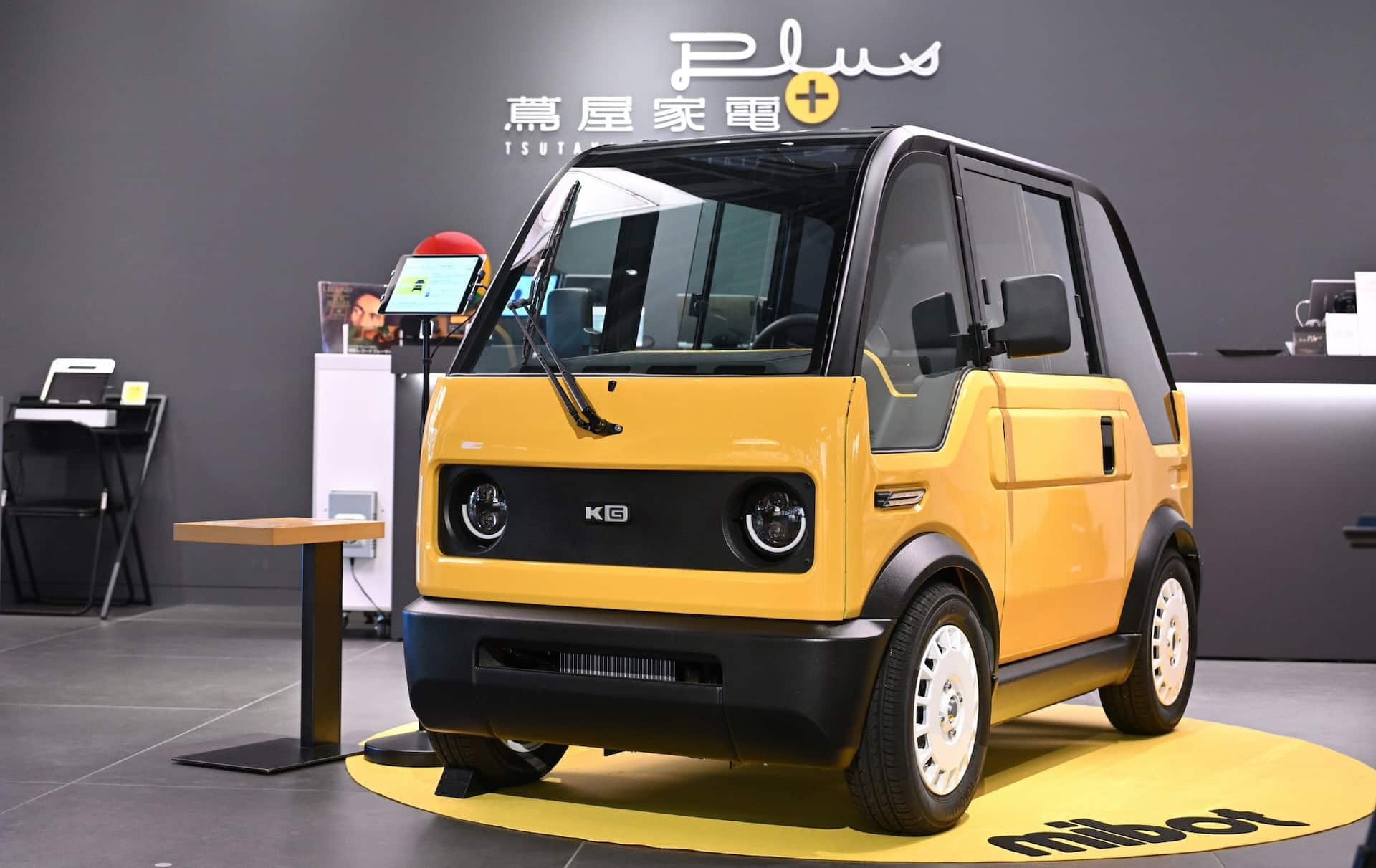
The Mibot represents an accessible and practical option that could end up driving the transition to electric mobility in one of the developed countries where it is most stalled.
The Mibot, a tiny electric vehicle that costs less than 5,500 euros at current exchange rates, is capturing all the attention in Japan following its market launch and the subsequent delivery of the first units to customers. Although the transition to electric mobility is certainly not the strong point of this market, the taste for tiny vehicles known there as Kei Cars may explain the Mibot’s sales success.
For anyone who may not know what we are talking about, Kei Cars are very small automobiles approved by Japanese authorities for travel in urban areas. Accounting for more than a third of total new vehicle sales, Kei Cars have ended up becoming a hallmark of the Japanese nation.
Models such as the Honda N-Box, still with a combustion engine, have led Japan’s best-selling chart for years. The fully electric version of this city car is, however, on its way to counter the strong competition in this market.
Unexpected rival
One of these contenders is the new Mibot from KG Motors. The Japanese startup made its first deliveries this very week, although it should be noted that they are in a pre-production phase with quality standards equivalent to the final models. Mass production will start in April 2026, and until then deliveries will continue but on a very limited basis.
At just 2.49 metres long, the Mibot is considerably smaller than any conventional Kei Car, which typically measure around 3.4 metres. Ideal for urban environments and with extremely low maintenance costs, its range is around 100 km per charge, more than enough for daily journeys when charged every night.
Another notable feature of this unusual vehicle, which will be well received by more individualistic Japanese, is that it is a single-seater, for the driver only. Nevertheless, it offers ample space for additional cargo. The Mibot also supports OTA software updates that will allow the manufacturer to evolve its capabilities over time.
The secret of its success: small, efficient and cheap to maintain
Kazunari Kusunoki, founder and CEO of KG Motors, says that what led him to make this project a reality was the observation of traffic in Japan’s big cities, which showed him that bigger is not always better. This statement seems to align with the view of many Japanese drivers, since orders opened last autumn and KG Motors has registered several thousand reservations, covering more than half of the 3,300 units the company plans to produce until March 2027.
KG Motors’ plans involve delivering the first 300 units in Japan before March 2026, and starting exports abroad from that same point, with a base price of one million yen, a little under 5,500 euros at current exchange rates.


 Kia offers an electric range of 10 models, 50 versions and 400 possible combinations
 The seven finalists for the 2027 European Car of the Year (COTY) are exclusively electric
 Peugeot E-208 GTi: a battery-powered toy that revives the spirit of the 1980s sports cars
Deja un comentario