This is how the geofencing technology from Ford could reduce the speed of vehicles
 Mónica Redondo @MonicaRedondoD
24 May 2022
3 min.
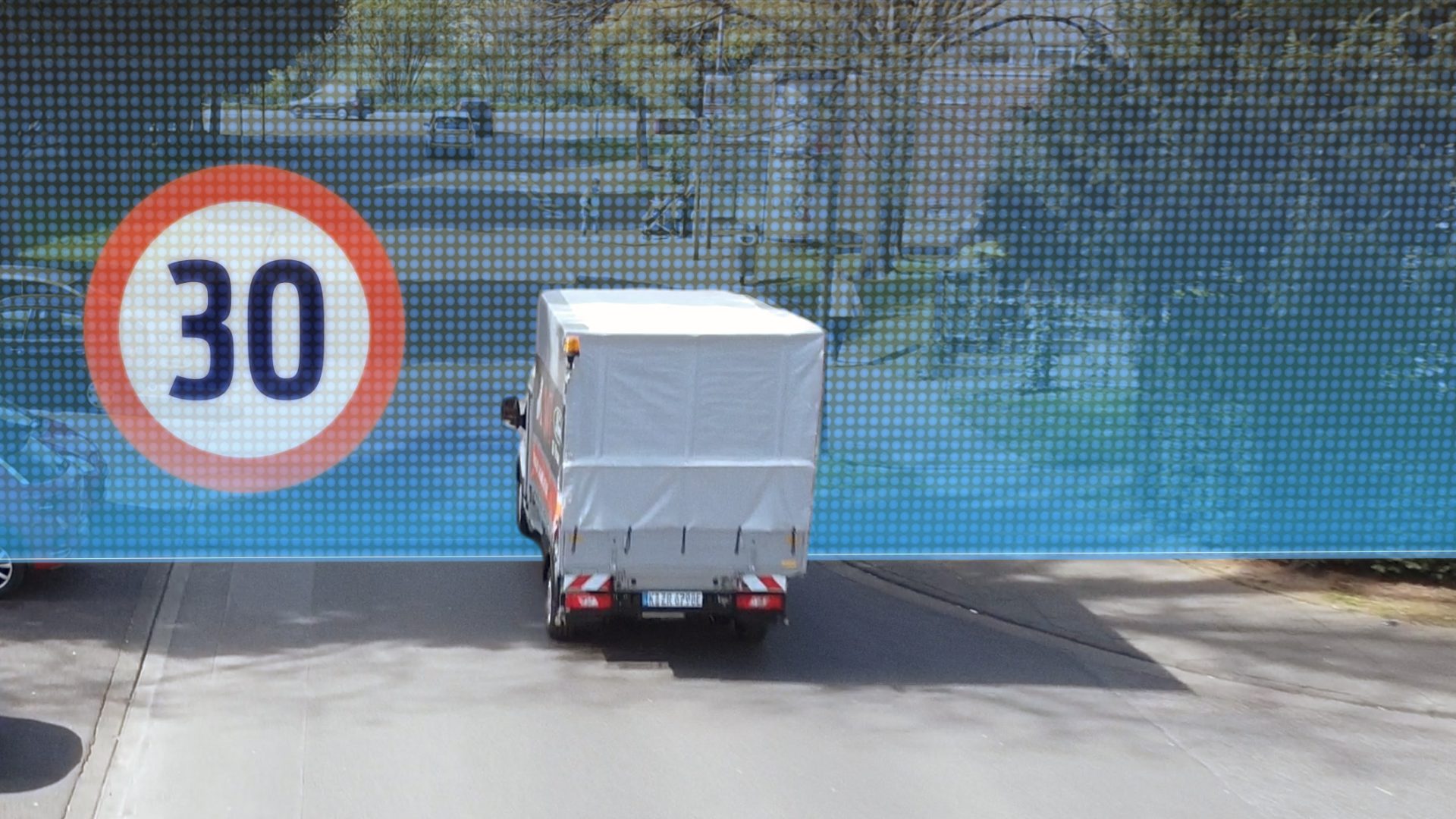
The oval brand is developing a geofencing technology that could automatically reduce the speed of vehicles.
The oval brand is testing geofencing technology that could reduce the speed of vehicles in order to increase safety. This new system is capable of creating a virtual zone in which vehicles reduce their speed, instead of relying on drivers to notice road signs that may be on unfamiliar routes or hidden in the undergrowth.
The oval brand has pointed out that speed is a key factor in road accidents. Geo-referenced zones at 30 km/h for schools, hospitals and commercial areas could greatly reduce risks for all road users. Likewise, Ford’s connected technology could make streets simpler, safer and more pleasant to look at, help drivers avoid costly speeding fines and reduce the need for speed signs.
This is how the new Ford technology works
The tests are being carried out in Cologne, Germany, using an Ford e-Transit. The manufacturer has indicated that this technology could work in both commercial and passenger vehicles. Likewise, Ford has pointed out that this new technology, which “places” virtual geographic limits, could eliminate entirely the need for traffic signs marking speed limits.
In addition to making streets safer for other road users and pedestrians, the geofence speed limit control system from Ford could help drivers avoid speeding fines and improve the appearance of roads. Michael Huynh, Director of City Engagement Germany, Ford Europe, has said that “connected vehicle technology has proven potential to help make everyday driving easier and safer for everyone, not just the person behind the wheel. Geofencing can ensure that speed is reduced where, and even when, it is needed to help improve safety and create a more pleasant environment.”
As the manufacturer itself has confirmed, the Geofencing speed limit control system from Ford is potentially more flexible and effective than onboard systems, and could in the future be applied to Ford commercial and passenger vehicles. The researchers are using two FordPro vehicles to analyse the impact of speed limiting in terms of improved traffic flow and reduced accident risk. Tests with Ford E-Transit fully electric vans extend to all 30 km/h zones in central Cologne, Germany, as well as selected 50 km/h and 30 km/h zones elsewhere in the city.
The 12-month trial builds on other recent research projects by Ford aimed at helping improve road safety, including connected traffic light technology that could automatically turn green to offer clearer routes for ambulances, fire engines and police vehicles, and the use of directional in-cabin speakers to alert drivers to the direction from which people and objects are approaching.


 The seven finalists for the 2027 European Car of the Year (COTY) are exclusively electric
 Peugeot E-208 GTi: a battery-powered toy that revives the spirit of the 1980s sports cars
 New Lexus ES: luxury grows and goes electric
Deja un comentario