WeLion achieves 824 Wh per kilogram in a solid-state battery in the laboratory
 Javier Cantagalli
18 December 2025
2 min.
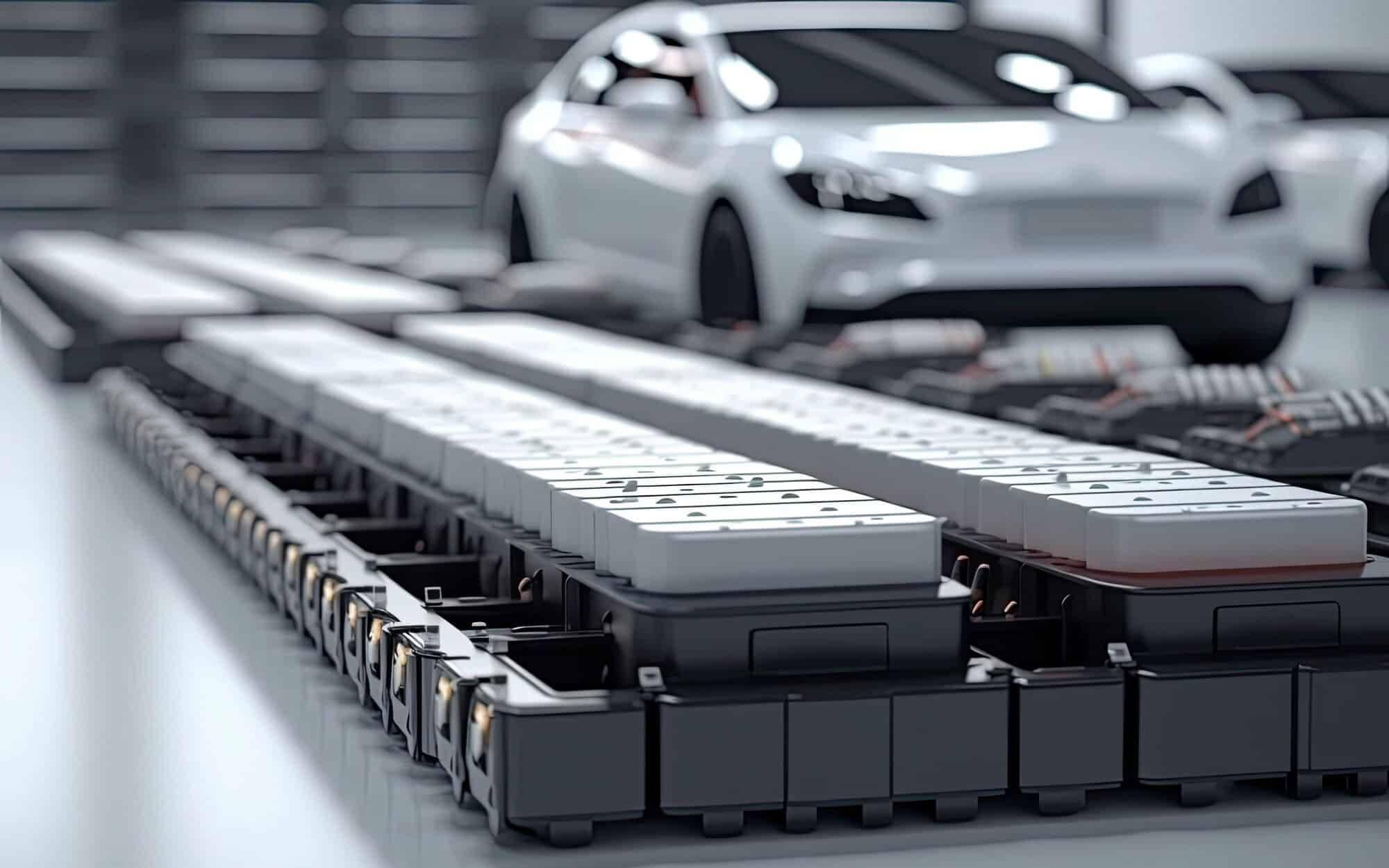
This important milestone once again highlights China’s leadership in next-generation battery technology, which promises to transform electric mobility and other sectors with high energy demands.
WeLion, a Chinese company focused on the development of solid-state batteries, continues to make significant progress on its path toward achieving an energy density above 1,000 Wh/kg. In laboratory tests, it has managed to store 824 Wh per kilogram, although this technology is not yet ready for mass commercialization.
Like other players in the sector, such as Factorial –partnered with Mercedes-Benz– or QuantumScape, WeLion has spent years concentrating its efforts on developing batteries that use solid electrolytes instead of liquid ones. This innovation promises to revolutionize the battery pack market for electric vehicles by offering numerous advantages, including greater range, much shorter charging times and higher safety levels compared with the traditional batteries currently in use.
The company, which already supplies semi-solid batteries to NIO, has reached a significant milestone with this advance. In an interview with the media, Yu Huigen, WeLion’s chief, has nevertheless stated that, although they are on the right track, they still have a lot of work ahead to achieve their goal of reaching and surpassing an energy density of more than 1,000 Wh per kilogram in the near future.
Disruptive leap
To put this into perspective, it is enough to remember that the conventional LFP cells currently in use hover around 150-180 Wh/kg, while most companies developing solid-state batteries have set themselves the target of reaching an energy density of between 350 and 500 Wh/kg. WeLion is therefore clearly playing in a different league by openly talking about values above 800 Wh/kg.
Reaching that ambitious goal will not be an easy task, however. The main challenge remains production costs, especially due to the expensive materials used in sulfide-electrolyte-based systems. On this matter, WeLion’s chief has explained that these batteries will initially be aimed at applications where safety is critical and price is not a limiting factor, such as humanoid robots.
WeLion has production plants in Beijing, Jiangsu, Zhejiang and Shandong, with a current capacity of 28.2 GWh per year and plans that will take it beyond 100 GWh in the medium term. The company also expects mass production of solid-state batteries to start in 2027. As if this were not enough, the company is also preparing its stock market listing which, if it goes ahead, would make it the first company dedicated exclusively to this technology listed in China.


 Peugeot E-208 GTi: a battery-powered toy that revives the spirit of the 1980s sports cars
 New Lexus ES: luxury grows and goes electric
 First contact with the Dacia Sandero Hybrid 155: power and efficiency from €19,890
Deja un comentario