Xiaomi officially opens its new European Development Centre in Munich
 Javier Cantagalli
27 September 2025
3 min.
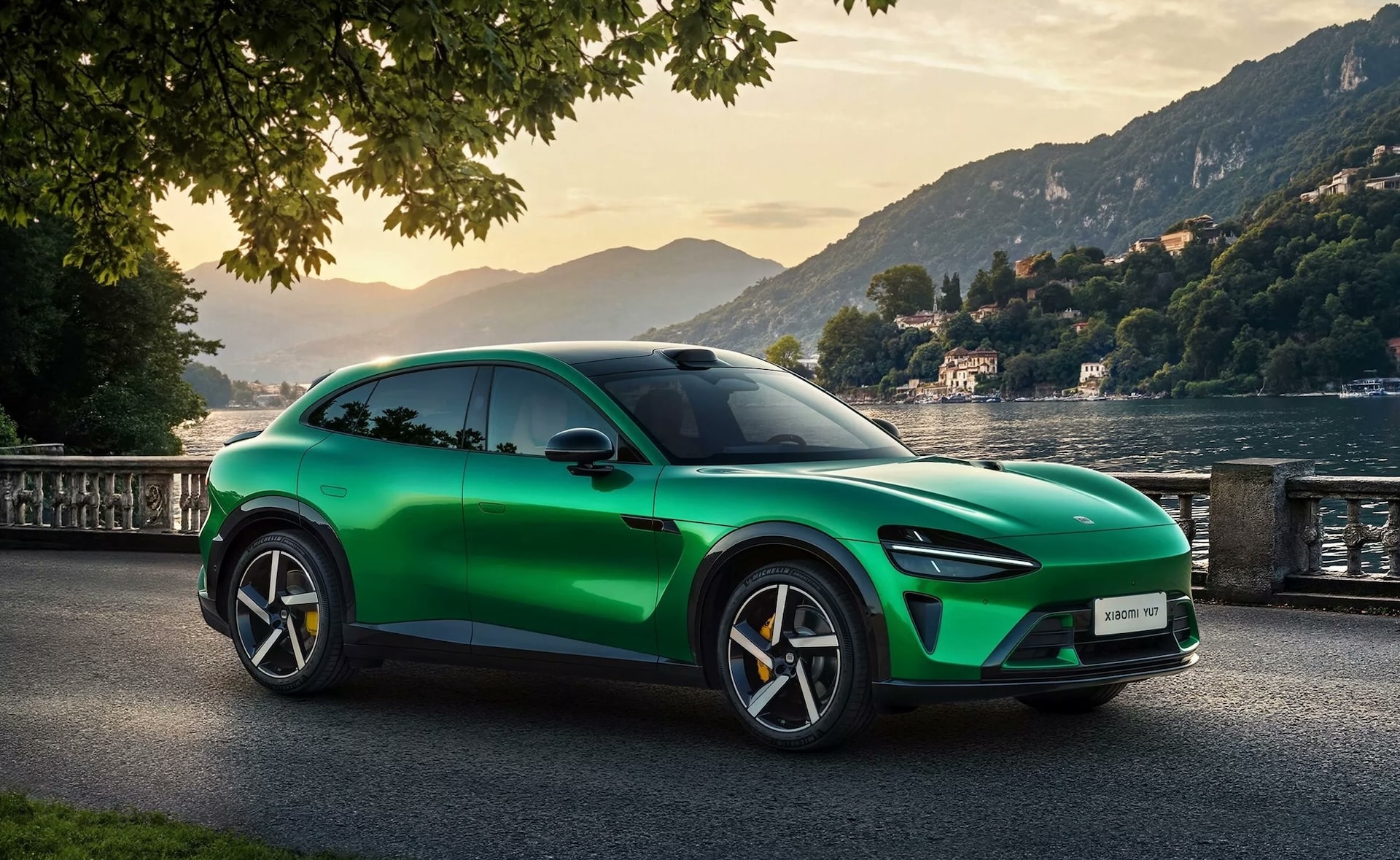
This new Xiaomi centre in Munich is crucial for preparing the brand’s arrival in Europe and, among other tasks, will be in charge of adapting its vehicles to European standards.
Xiaomi, the renowned Chinese consumer technology manufacturer now also dedicated to the production of electric vehicles, has just taken an important step in its European market expansion strategy with the opening of its first Research and Development (R&D) Centre for electric vehicles on the continent.
These new facilities, located in the German city of Munich, can be regarded as a preliminary step ahead of the start of Xiaomi vehicle sales in Europe, planned in principle for 2027.
Xiaomi’s Research and Development Centre in Munich now begins its operations with an initial workforce of 50 employees. According to the company, these facilities will begin work on projects related to high-performance vehicles, design innovation, the development of electric vehicle technologies and the adaptation to the preferences of European consumers.
Xiaomi’s team in Munich will grow
In addition, Xiaomi is actively seeking talent to drive its operations on European soil, with more than 20 vacancies still to be filled, ranging from logistics and registration specialists to after-sales managers. The company is also looking for a national manager and a commercial operations director to lead the sales strategy in Europe, which indicates that Munich will not only become an R&D hub in the future, but also a pillar on which the brand’s commercial launch on the continent will be built.
The project is led by Rudolf Dittrich, former executive of BMW Motorrad, who currently holds the position of head of Xiaomi EV’s R&D Centre in Europe. In addition, the company has also brought in Kai Langer, former head of design at BMW i, to strengthen its team in Munich.
With the opening of this Research and Development Centre in Munich, Xiaomi follows in the footsteps of other Chinese manufacturers that have recently set up in the Bavarian capital. This is the case of XPENG, which also opened a similar R&D centre on 10 September, Li Auto, which began operations in the city at the beginning of the year, or NIO, which has been there for 10 years.
With this new facility, Xiaomi not only seeks to consolidate its presence in the competitive electric vehicle market, but also to demonstrate its ability to innovate and adapt to the demands of European consumers, laying the foundations for a successful and well-structured expansion.
Xiaomi debuted in the Chinese electric vehicle market in 2024, and it did so in style. The company managed to deliver 100 thousand units of its first electric-powered model, the SU7 saloon, in just 229 days and doubled that figure in the following 119 days. In 2025, things have not gone badly for the Chinese manufacturer either. Following the market launch of its second electric model, the YU7 SUV, and the high-performance version of the SU7, called Ultra, Xiaomi has reached a total of 300 thousand units delivered.


 Peugeot E-208 GTi: a battery-powered toy that revives the spirit of the 1980s sports cars
 New Lexus ES: luxury grows and goes electric
 First contact with the Dacia Sandero Hybrid 155: power and efficiency from €19,890
Deja un comentario