A study highlights the minimal degradation of today's electric vehicle batteries
 Javier Cantagalli
21 July 2026
2 min.
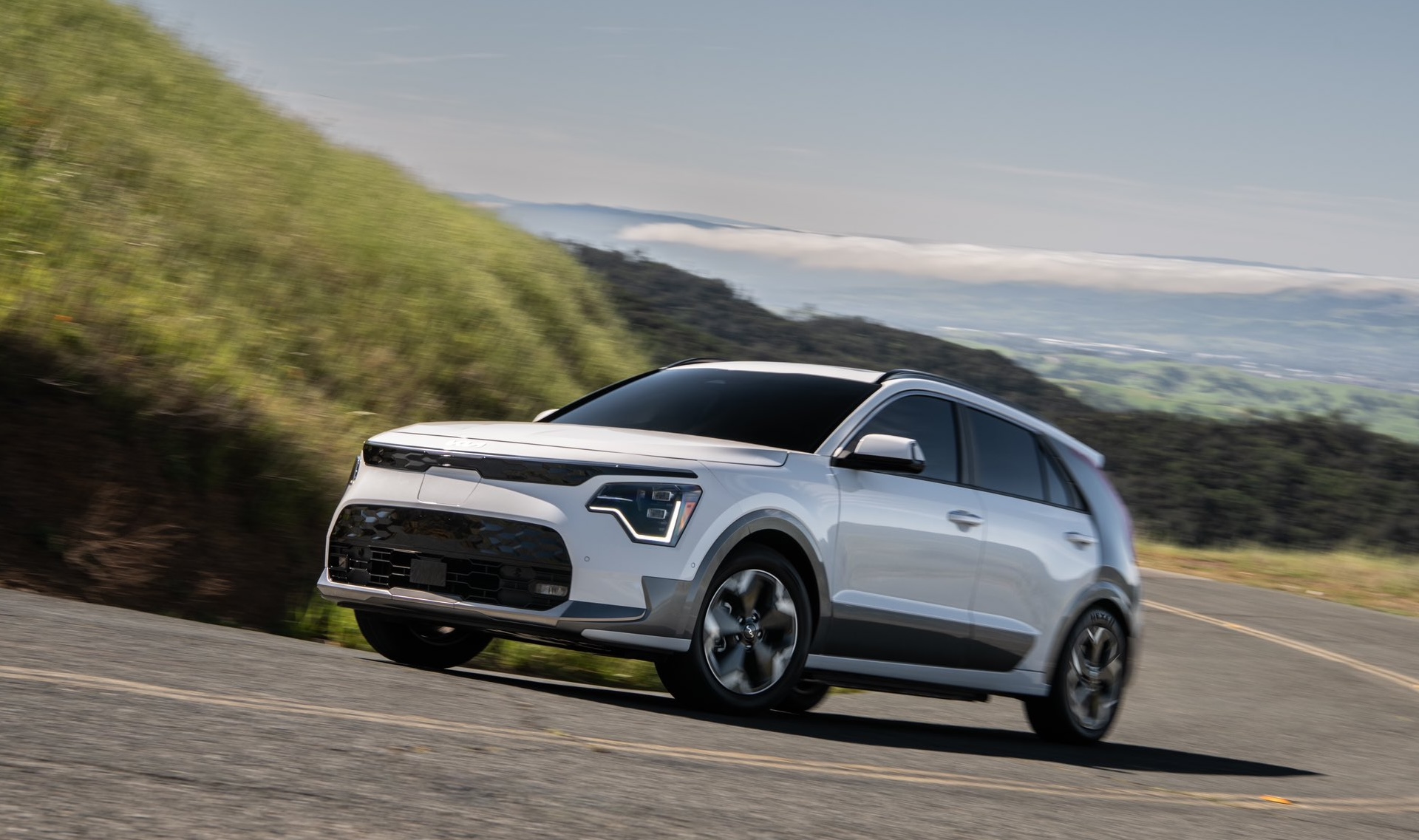
This study provides reassuring data for anyone considering buying a used electric vehicle, showing that current technology offers greater durability than many people assume.
A recent study carried out by Carla, a leading Swedish retailer of used electric vehicles, shows that the batteries of modern electric models maintain a high level of capacity even after covering considerable distances. The report, based on nearly 10,000 diagnostic tests carried out between 2022 and 2026, offers one of the largest databases on the real condition of batteries in vehicles available on the Swedish used market.
The study, titled Electric Vehicle Battery Study 2026, evaluates the average health of batteries after exceeding 100,000 kilometres. The results are remarkably positive and exceed the expectations of many drivers. The model leading the ranking is the KIA e-Niro with a 64 kWh battery, which retains an average of 97.25 percent of its original capacity. Very close behind is the Hyundai Kona Electric, also with a 64 kWh battery, at 97.18 percent. In third place, completing the podium, is another South Korean model, the KIA EV6 with a 77.4 kWh battery and 95.95 percent.
Among the best-placed vehicles are also the Volvo XC40 Recharge with a 69 kWh CATL battery at 94.70 percent, the Polestar 2 -CATL 78 kWh- at 94.35 percent and the BMW i3 (120 Ah) at 93.77 percent. It is also worth noting that one of the most in-demand electric vehicles, the Model 3 from Tesla, equipped with a 60.5 kWh CATL LFP battery, recorded 93.34 percent. The top 20 also includes models such as the Audi e-tron, Skoda Enyaq iV, Volkswagen ID.3 and ID.4, Tesla Model S, Model X, Model Y and the Audi Q4 e-tron, all of them with very good percentages.
Don’t believe everything you’re told about electric vehicles
According to Carla, many of these vehicles retain between 95 and 97 percent of their original battery capacity after more than 100,000 kilometres, which represents much less degradation than many buyers fear. This reinforces the idea that today’s electric vehicle batteries have a long and reliable service life, contrary to what some urban myths suggest.
The report also underlines the importance of battery chemistry and the supplier of the cells. A clear example is the Tesla Model 3: the version with CATL LFP cells shows an average health of 93.3 percent, outperforming versions with LG Chem cells at 91.5 percent and Panasonic at just under 90 percent.
Carla therefore concludes that most of the most popular electric models on sale in the Swedish market maintain excellent condition after years of use.


 Peugeot E-208 GTi: a battery-powered toy that revives the spirit of the 1980s sports cars
 New Lexus ES: luxury grows and goes electric
 First contact with the Dacia Sandero Hybrid 155: power and efficiency from €19,890
Deja un comentario