Amsterdam will ban petrol and diesel cars from 2030
 Mónica Redondo @MonicaRedondoD
6 May 2019
3 min.
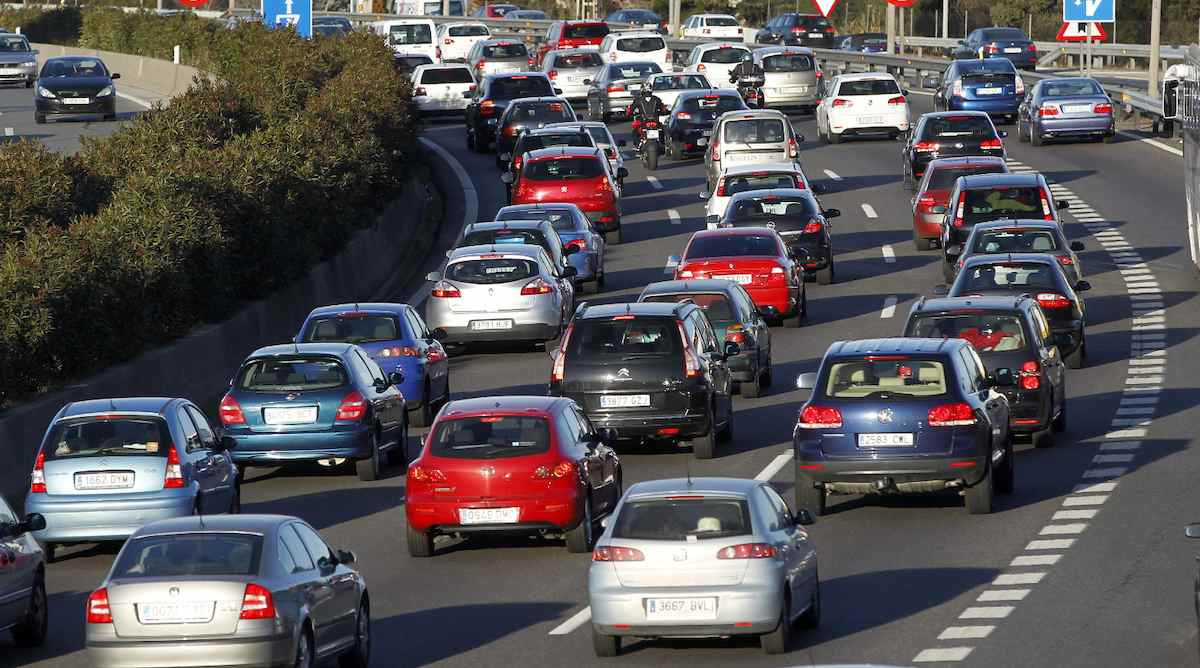
Amsterdam has approved the Clean Air Action Plan, which will prohibit internal combustion vehicles from driving on its streets in 2030.
According to the newspaper The Guardian, everything suggests that Amsterdam City Council could be considering the option of banning combustion vehicles, petrol and diesel, from 2030. The council of the Dutch capital is reportedly seeking to reduce air pollution, which, as local authorities state, “shortens residents’ life expectancy by up to a year”.
The ban on petrol and diesel vehicles in Amsterdam in 2030 comes after it was established that, from next year, vehicles over 15 years old will no longer be allowed to drive on the A10 ring road that runs around Amsterdam.
This regulation also includes that, from 2022, the city will not allow the operation of public buses that run on petrol or diesel. Likewise, in 2025, these bans will be extended to restrict the use of pleasure boats on its canals, as well as the circulation of light mopeds. The city’s Clean Air Action Plan requires that all traffic within the city be emission-free by 2030.
Ban on combustion vehicles in 2030
In an attempt to encourage local residents to embrace the switch to electric, hybrid or even hydrogen fuel cell vehicles, the city intends to offer charging stations to every buyer of a zero-emission vehicle. Some estimates predict that the city of Amsterdam will need between 16,000 and 23,000 charging stations by 2025 for the project to be viable.
Some sources claim that the Amsterdam Clean Air Action Plan has not pleased everyone and, according to the spokesperson for the Rai Association, an automotive industry lobby group, “many people will not be able to afford electric cars”.
“Many of the tens of thousands of families who cannot afford an electric car will soon be left out in the cold. This makes Amsterdam a city of the rich. By 2030, roughly a third of cars will be electric, we hope. But there will also be many people who will not be able to afford that by then,” said the spokesperson for the association, which supports the automotive industry.
For its part, Sharon Sijksma, the city’s councillor responsible for traffic, has stated that “pollution is often a silent killer and is one of the greatest health risks in Amsterdam“. It is important to highlight that the city council plans to introduce the change gradually, as part of a campaign to clean up air pollution.
Likewise, the council expects the second-hand electric car market to flourish in the coming years to help families with fewer resources get around the city with a car that suits their needs and does not pollute.
Amsterdam is not the only European city restricting traffic
Amsterdam will not be the only European city to limit traffic on its streets, and many governments around the world are working to reduce greenhouse gas emissions. Since 2018, Madrid has begun restricting access for vehicles with petrol engines manufactured before 2000 and diesel vehicles manufactured before 2006.
For its part, Rome has promised that it will ban diesel vehicles from driving through the city centre in 2024.


 The seven finalists for the 2027 European Car of the Year (COTY) are exclusively electric
 Peugeot E-208 GTi: a battery-powered toy that revives the spirit of the 1980s sports cars
 New Lexus ES: luxury grows and goes electric
Deja un comentario