BYD has registered six new patents related to solid-state batteries
 Javier Cantagalli
9 August 2026
2 min.
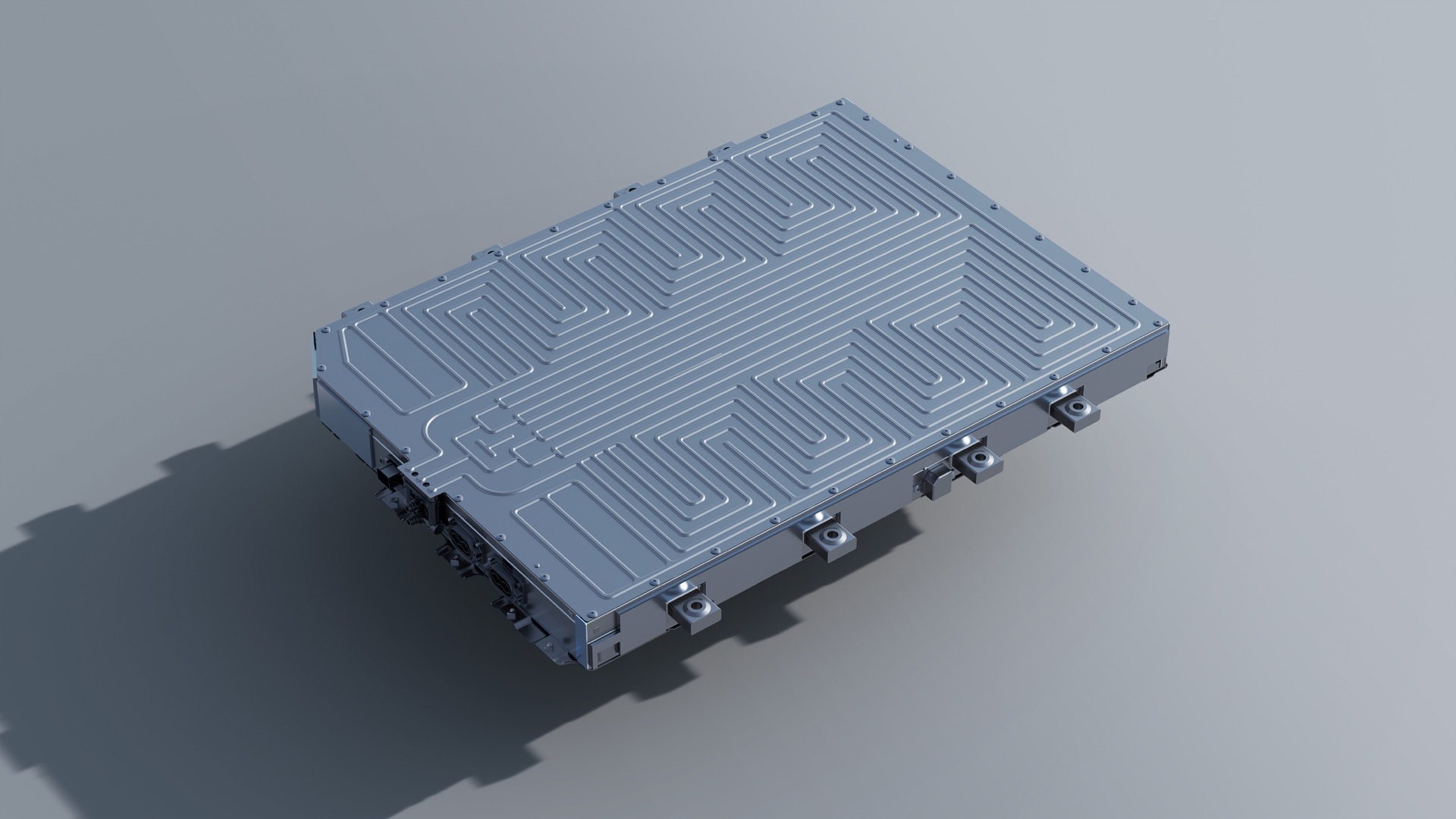
These advances allow BYD to plan the start of production of test cells for solid-state batteries for next year.
BYD has unveiled six new company patents focused on solid-state battery technology. All of them are the result of the hard work of its engineers, aimed at improving the contact between the electrodes and the solid electrolytes. The Chinese company plans to begin pilot production of dual-electrolyte cells in 2027.
Four of these patents address cell materials and chemistry. One proposes inserting an electrochemically stable, ion-conducting layer between halide and sulfide electrolytes, in order to prevent unwanted chemical reactions and extend cycle life. Another uses a first solid electrolyte as a buffer layer between the cathode active material and a sulfide electrolyte, seeking greater stability and less heat generation. According to the document, the active cathode layer should not release more than 117 joules per gram under thermal conditions.
Two additional patents focus on the cathode structure. One describes a double-layer composite cathode that combines single-crystal and polycrystalline materials together with different solid electrolytes. The aim is to take advantage of the greater structural stability of single-crystal materials and the better charging rate performance of polycrystalline ones. The other proposes a cathode based on three materials, mixing lithiated metal oxides and metal sulfides with a solid electrolyte to reduce interfacial resistance, increase specific capacity and prolong cycle life.
Additional information to keep in mind
The remaining two patents are more oriented toward manufacturing. One introduces ionic liquid wetting agents distributed in a gradient along the electrode, with the purpose of improving ion transport and ensuring reliable contact between the solid materials. The other defines a quality metric called “Re”, which measures the proportion of contact between cathode particles and electrolyte particles. BYD indicates that at least 60 percent of the perimeter of a cathode particle should be in contact with electrolyte particles to improve charging performance, capacity and durability.
According to some Chinese media outlets, BYD plans to begin small-scale production of solid-state cells with a dual-electrolyte cathode design in 2027. The first units would be evaluated in prototype vehicles before any eventual expansion. The company has not officially confirmed this timeline, however.


 Peugeot E-208 GTi: a battery-powered toy that revives the spirit of the 1980s sports cars
 New Lexus ES: luxury grows and goes electric
 First contact with the Dacia Sandero Hybrid 155: power and efficiency from €19,890
Deja un comentario