Electric Cars Hybrid Cars Coches hidrógeno
China aims for new energy vehicles to make up 30% of the country's vehicle fleet by 2030
 Javier Cantagalli
18 July 2026
3 min.
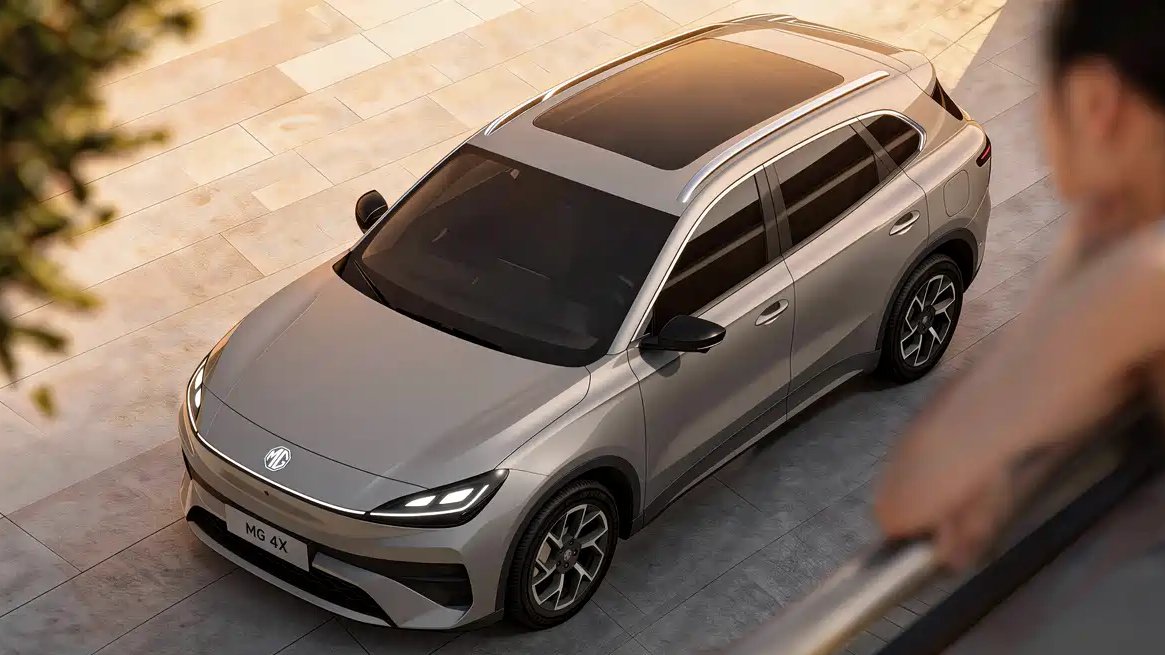
With this plan, China seeks to consolidate its leadership in sustainable mobility while decisively advancing toward its national climate commitments.
The Chinese government has presented its action plan to peak CO₂ emissions, with concrete targets to transform the transport sector. According to the document published by the Chinese State Council, by 2030 vehicles with alternative propulsion systems must account for 30 percent of the country’s total vehicle fleet.
As we have explained on numerous occasions, the concept of “new energy vehicles” (NEVs) includes battery electric vehicles, plug-in hybrids -including those with range extenders- and hydrogen fuel cell vehicles. China currently has about 44 million registered NEVs, equivalent to 12 percent of the total. The vast majority -around 69 percent- are pure electric. To meet the 30 percent target by 2030, the share of this type of vehicle will therefore need to more than double in less than five years.
The Chinese government’s plan is not limited to private transport. In the commercial sector, vehicles with alternative propulsion are expected to reach 25 percent of the operational fleet by 2030. In addition, the electrification of public fleets and the use of zero-emission vehicles will be promoted in sectors such as construction, mining, ports and airports. Heavy trucks will also form part of this transition toward cleaner technologies.
Measures to achieve it
To make this change feasible, the government will accelerate the expansion of infrastructure. The construction of more charging stations, battery swapping systems and refueling points for green hydrogen, ammonia and methanol is planned. The effort will focus especially on highways and high-traffic transport corridors, where routes free of CO₂ emissions will be progressively created.
These measures are part of a broader national decarbonization program. By 2030, China has committed to reducing CO₂ emissions per unit of GDP by 17 percent and to raising the share of non-fossil energy in its energy consumption to 25 percent. The plan includes a strong push for wind and solar energy, nuclear power, storage systems and the development of carbon-neutral industrial parks and factories.
This new approach also coincides with an adjustment in the incentive strategy. After years of direct subsidies that drove electromobility, the government is gradually reducing these aids. This July, the end of the tax exemption for plug-in hybrid vehicles and certain electrified commercial vehicles was announced, effective from 2027, although pure electric passenger cars will keep this advantage. Rather than relying so heavily on one-off subsidies, the authorities now focus on long-term targets for fleets, infrastructure and the energy transition.


 Peugeot E-208 GTi: a battery-powered toy that revives the spirit of the 1980s sports cars
 New Lexus ES: luxury grows and goes electric
 First contact with the Dacia Sandero Hybrid 155: power and efficiency from €19,890
Deja un comentario