China tightens vehicle safety: more physical controls, fewer screens and goodbye to yoke steering wheels
 Victor Alós Yus @sepelaci
15 February 2026
3 min.
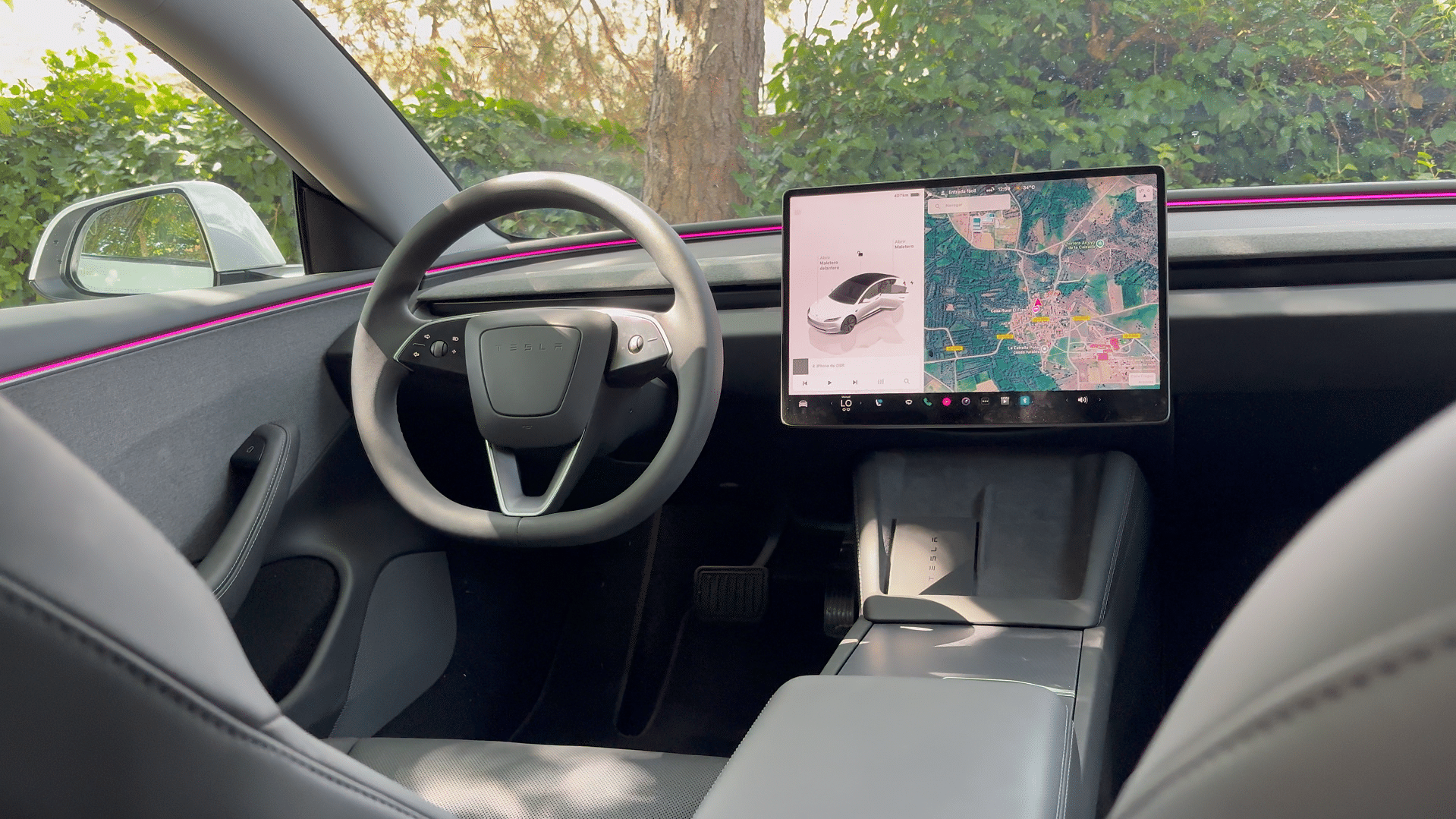
China has begun legislating safety elements for the most modern cars and proposes a return to physical controls that are easier to operate.
In today’s newest cars we find large screens and a system for controlling vehicle features that are linked to them. But for some time now, the return of physical controls to operate the car’s equipment has become popular among several brands. In China, this will no longer be an option, as legislation is being passed to reverse the trend and bring physical controls back into car cabins.
The Ministry of Industry and Information Technology has proposed new rules requiring that essential safety functions be controlled through physical switches and buttons. They must not be hidden in some submenu of the touchscreen and must be accessible without having to touch it.
Among these basic controls are the turn signals, hazard lights, gear selection and emergency call, which must have controls that can be operated simply and practically. The minimum surface area these controls must have is 10 x 10 mm, which seems sufficient to operate them easily.
This legislative proposal runs counter to the minimalist interiors promoted by brands such as Tesla, BYD and Xiaomi, and represents a return to classic controls, at least in some very specific cases. Delays in accessing screen menus, the difficulty of reaching the desired function and other safety reasons are key to understanding this return to physical controls.
The bans on car equipment go even further in China. For example, electric hidden and pop-out door handles have also been banned, since they created risky situations. Several occupants of cars equipped with this system have become trapped inside, which poses a very high risk.
Yoke steering wheels are also in the sights of Chinese legislators, as they too will be banned from 2027. In this case, arguments cite manoeuvrability, since this type of steering wheel does not allow control to be maintained as round wheels do. Another argument is the airbag. When it deploys, fragments of the steering wheel are ejected, and in the case of yoke wheels, their shape and surface do not allow these fragments to disperse safely, which can injure the driver.
The steering wheel surface is also important in the event of an impact, since with circular wheels the impact zone is spread out, allowing the force to be distributed better. A yoke wheel has less surface area, so the blow is concentrated in a more limited area and increases the injury.
This could set a precedent in other countries, which may follow the Chinese government’s lead and legislate to improve vehicle safety.


 Peugeot E-208 GTi: a battery-powered toy that revives the spirit of the 1980s sports cars
 New Lexus ES: luxury grows and goes electric
 First contact with the Dacia Sandero Hybrid 155: power and efficiency from €19,890
Deja un comentario