Chronicle of an Announced Death: the Tata Nano, the Cheapest Car in the World, Disappears from the Market
 Victor Alós Yus @sepelaci
13 July 2018
2 min.
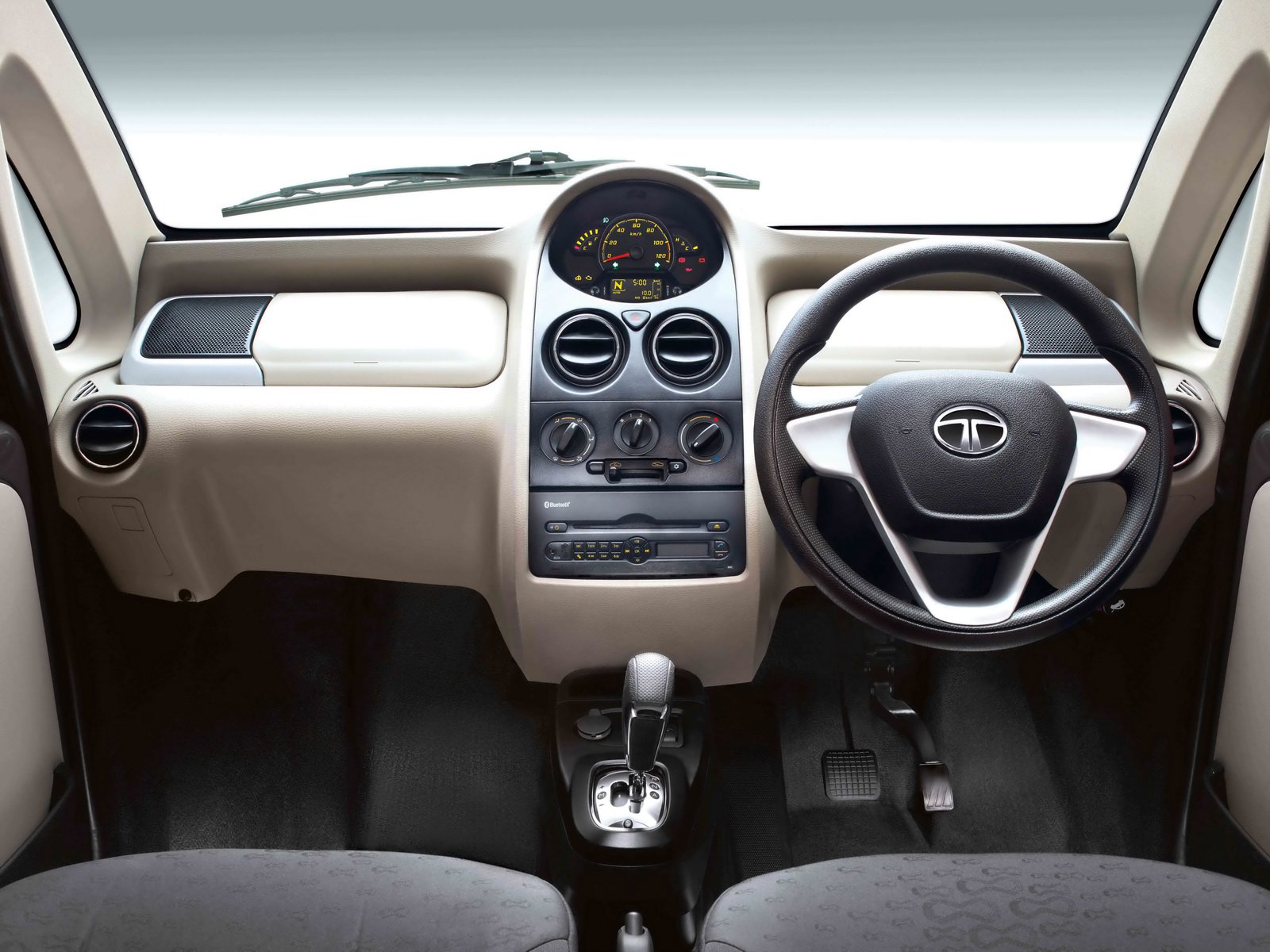
The small city car, considered the cheapest car in the world, is ceasing production in India and will disappear from the market at the beginning of 2019
In 2008 Tata Motors had a great idea: to design, manufacture and market a car that could be used by the most disadvantaged classes of the country. A car for families who could only afford a moped, so they thought and thought and developed the Tata Nano, a small city car that had a very low price and could be bought by the most modest families, who would improve their mobility around the cities. But for various reasons, this proposal did not take off and became a real commercial failure.
For that reason, it is no surprise that Tata Motors has announced that it will stop producing this model, although it will remain in its catalogue until next year. A car that was designed to revolutionise the market, but whose figures have brought about its disappearance. Production of the Tata Nano during the month of June was a single unit, whereas in the same month last year 247 Tata Nanos were built, so the numbers speak for themselves.
The reasons for this failure must be sought in the particular idiosyncrasy of the country, where image is important. Many members of that very disadvantaged social class have not bought one because it is so cheap that owning one could damage their image even further. This may surprise us, but it is quite common in the Asian country. Tata has tried to improve the car’s performance by making new special versions and limited editions, but it has not been possible to sustain sufficient sales.
In fact, the effect was the opposite. The Tata Nano became a vehicle that well-off families bought as a second or third family car, or for the young as a first car. A situation that did not allow a car that could have revolutionised mobility in countries such as India to survive, and it failed and passed into oblivion.
It was never sold in Europe, although there were some plans to place a special edition on our market. It did reach other Asian countries, where it also did not receive the expected reception and did not help keep it on the market. But the career of the Tata Nano has had several milestones. The 0.6-litre two-cylinder petrol engine was updated, an engine that offered 37 CV of power and was certainly not built for racing. Even so, JA Motorsport managed to create a version that delivered a power output of 230 CV thanks to a 1.3-litre engine.


 Kia offers an electric range of 10 models, 50 versions and 400 possible combinations
 The seven finalists for the 2027 European Car of the Year (COTY) are exclusively electric
 Peugeot E-208 GTi: a battery-powered toy that revives the spirit of the 1980s sports cars
Deja un comentario