Electric Cars Hybrid Cars Industry
Electric car sales are rising again in Germany after a year of free fall
 Victor Alós Yus @sepelaci
9 April 2026
2 min.
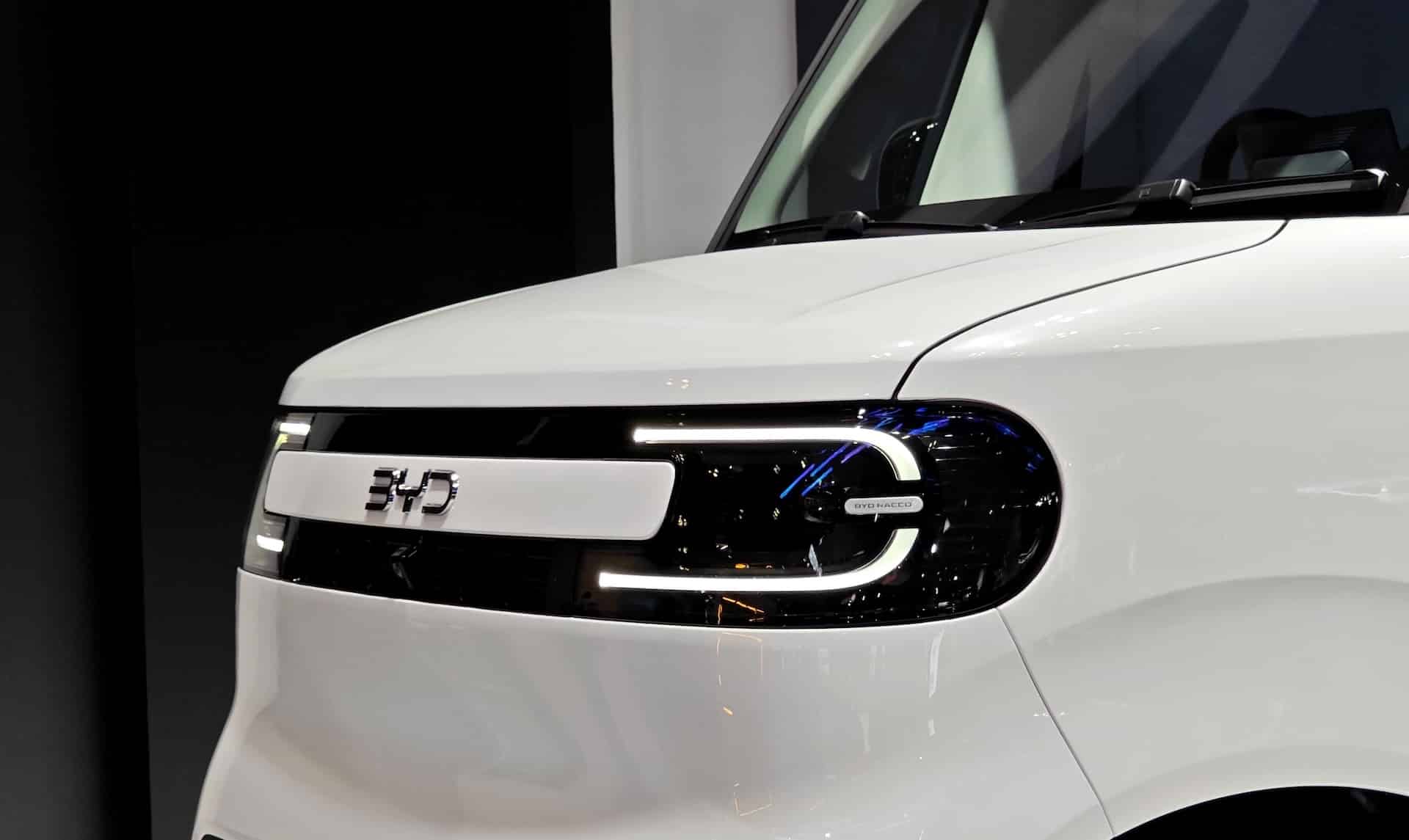
Electric cars are selling well again in Germany, now that government purchase incentives have returned, and they already outpace petrol and diesel cars in market share.
A little over a year ago, Germany withdrew the purchase subsidies for electric cars, which caused sales of this type of vehicle to fall. Without government incentives, electric cars lost their appeal for potential buyers, who turned to combustion-engine cars instead. But this trend now seems to have reversed, and electric cars are selling again, to the point of overtaking petrol and diesel models.
This is undoubtedly due to the return of government incentives, which have given new life to the market for electrified vehicles, not only electric ones. Overall, in March the German market grew by around 16%, a considerable figure given the current circumstances.
Looking at the numbers, 294,161 vehicles were registered, of which 70,663 were electric cars. This accounts for 24% of sales during the month. By comparison, petrol cars made up 22.8% and diesel vehicles 12.8%, both below what electric cars sold.
Compared with March last year, when there were no subsidies of any kind, the increase has been 66.2%, since 42,521 units were sold back then. In the first quarter of 2026, 159,630 electric vehicles (BEVs) were sold, compared with 112,968 in the first three months of 2025.
Hybrids are also growing
Electric cars are not the only ones growing in the German market. Hybrid and plug-in hybrid cars grew 16.2% in sales in March. Sales of this type of vehicle reached 117,845 units in March, while the total for the first three months of the year rose to 282,600 units. This represents growth of 10.4% in the first quarter and accounts for 40.1% of all new car registrations.
Brands such as BYD, Leapmotor, Tesla, Opel, Audi and BMW have seen their electric car sales increase considerably. Electric cars will not pay registration tax until 31 December 2035, and they receive a subsidy ranging from the basic 3,000 euros up to 6,000 euros for low-income households.
For hybrid or electric range-extender cars, the subsidy is 4,500 euros. Many Germans have taken advantage of these incentives, which has helped reactivate the electric car market. This shows that such incentives are necessary to maintain buyers’ interest in this type of vehicle.


 Peugeot E-208 GTi: a battery-powered toy that revives the spirit of the 1980s sports cars
 New Lexus ES: luxury grows and goes electric
 First contact with the Dacia Sandero Hybrid 155: power and efficiency from €19,890
Deja un comentario