Figueruelas saves an important "matchball" by approving the new collective agreement
 Guillermo Lopez
1 February 2018
5 min.
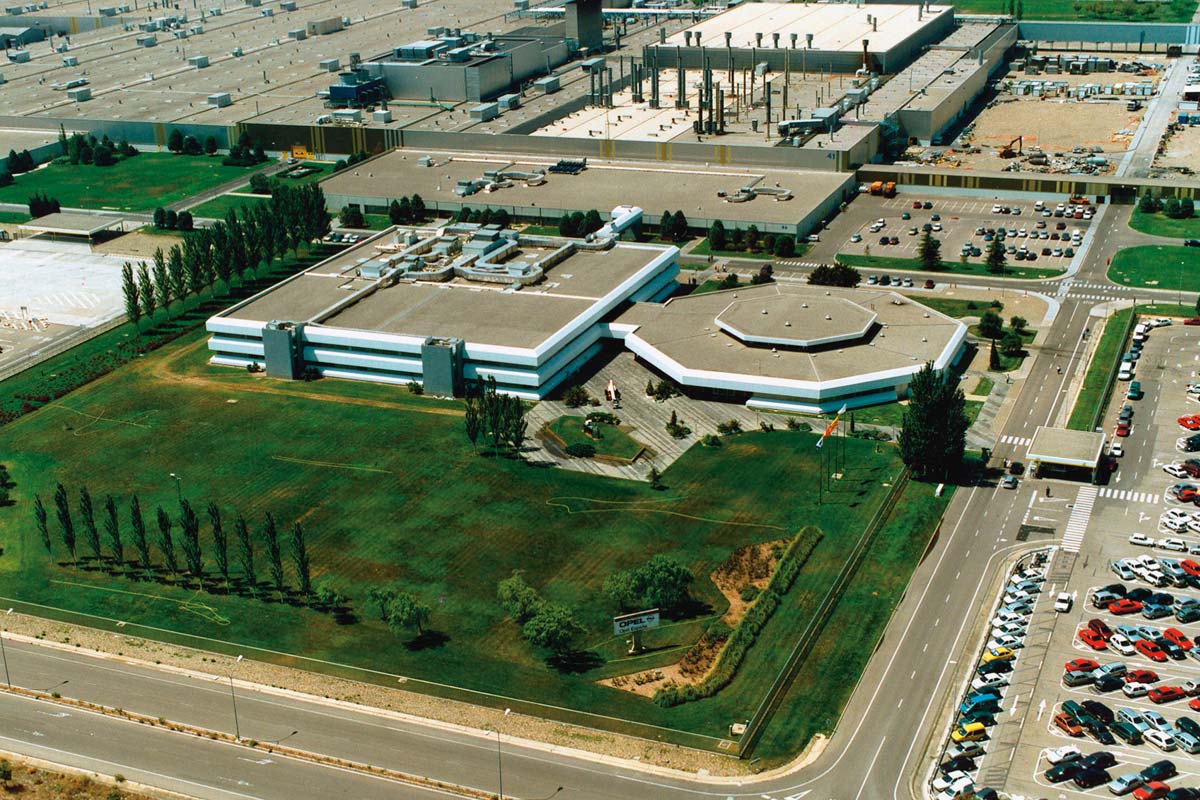
The workers at the Opel plant in Figueruelas have ratified the agreement reached “in extremis” between their union representatives and PSA executives
The workers at the Opel production plant in Figueruelas (Zaragoza, Spain) have ratified the new labour framework set out in the agreement reached after tough and contentious negotiations between the trade union representatives of the plant’s workforce and the representatives of the PSA Group, the plant’s new owner following the acquisition of Opel from General Motors.
The agreement, which has a term of five years, is a firm commitment to the future of the plant and its workers within the PSA Group, since it will allow the competitiveness and productivity of the Figueruelas plant to be brought into line with those of the group’s other plants in general and, in particular, with the ones it has in Spain (Vigo and Villaverde).
8,000 direct jobs depended on the outcome of these negotiations, especially when, after the unions walked away from the negotiating table, the company threatened to move production of the Corsa out of Figueruelas, a model that has been built at the plant since it opened its doors in August 1982. It was an ultimatum that came very close to being carried out, but it was ultimately overcome successfully thanks to the agreement reached at the last minute yesterday between the company and the workers, and which today was ratified in a vote by the Opel employees at the plant.
The Corsa will continue to be produced at Figueruelas
Opel became part of the PSA Group this past summer after General Motors, its previous owner, gave up trying to extract profits from the brand. Since 1999 Opel has been posting continuous losses, and it is estimated that GM lost around 20,000 million euros in its European operations. The crisis in the US, where GM had to be bailed out by the American government, ultimately forced the sale of the brand to PSA, the French carmaker which also went through a serious financial crisis in 2014 from which it now appears to have fully recovered.
The agreement allows production of the Corsa to be maintained, which accounts for 50% of the plant’s total outputPSA is firmly convinced it can obtain significant synergies from the acquisition of Opel and is confident of returning it to profitability and fully restoring its health before 2020, thanks to the new financial plan the French group has set out through to 2020 and the new product strategies defined for its various brands (Citroën, DS, Peugeot and Opel), which involve achieving cost savings of up to 700 euros per vehicle across all of them.
Within this context, one of the first issues the new managers of Opel had to address was the adaptation of Figueruelas to its new group’s production costs. The Aragonese plant has always stood out for its high production capacity; however, its costs were considerably higher (17.2 per cent) than those of the rest of PSA’s plants, especially those located in Spain (Vigo and Villaverde-Madrid), which is why the alignment of production costs was a central part of the plan drawn up for Figueruelas by PSA.
Figueruelas is not as profitable as other plants in the group
This has forced the Opel workforce at the Aragonese plant to make significant concessions on previously acquired rights, accepting substantial cuts and considerably loosening their working conditions. Thus, after getting through very difficult and tense moments during the negotiations over the plant’s new collective agreement, the workers and the company finally managed to reach an agreement, with the mediation of the Government of Aragon, within the deadline set for negotiations, which expired this past Monday.
The agreement includes wage moderation, variable pay linked to performance indicators, an increase in working time, the adoption of new work practices and labour flexibility to respond to changing market conditions, as well as a commitment to rejuvenating the workforce.
Since 1982, almost 13 million cars have rolled off the line at Figueruelas, along with some 3.5 million sets of components. The 5,389 employees working there (as of 31 December last year) produced 382,425 units in 2017, 6 per cent more than in 2016, increasing production for the fifth consecutive year.
Production costs at Figueruelas are 17.2% higher than at other plants in the group“We have taken a decisive step forward in improving the plant’s competitiveness, overcoming a complex situation,” explains Antonio Cobo, the plant director. For Remi Girardon, Vice President of Manufacturing at Opel, “With this agreement, the strengths of the plant and the commitment of the employees, we have secured the future of the factory. This competitive labour agreement was an essential condition for any investment and for the allocation of future models.”
The agreement was ratified by the workers, with 2,827 votes in favour and 2,008 against. This makes it possible to maintain production of the Corsa (50 per cent of Figueruelas’ total output). The agreement, which runs for five years, will allow Opel to make full use of the Aragonese plant’s capacity (478,000 units per year).
The agreement provides for a wage freeze in 2018 and a 50 per cent increase in line with CPI in 2019 and 2020, and 60 per cent in 2021 and 2022. The company has committed to maintaining the hiring of 170 temporary employees. Likewise, bonuses have been reduced by 5 per cent and rest periods have also been shortened.


 The seven finalists for the 2027 European Car of the Year (COTY) are exclusively electric
 Peugeot E-208 GTi: a battery-powered toy that revives the spirit of the 1980s sports cars
 New Lexus ES: luxury grows and goes electric
Deja un comentario