Formula E is drastically increasing the power of its fourth-generation single-seaters
 Javier Cantagalli
9 November 2025
2 min.
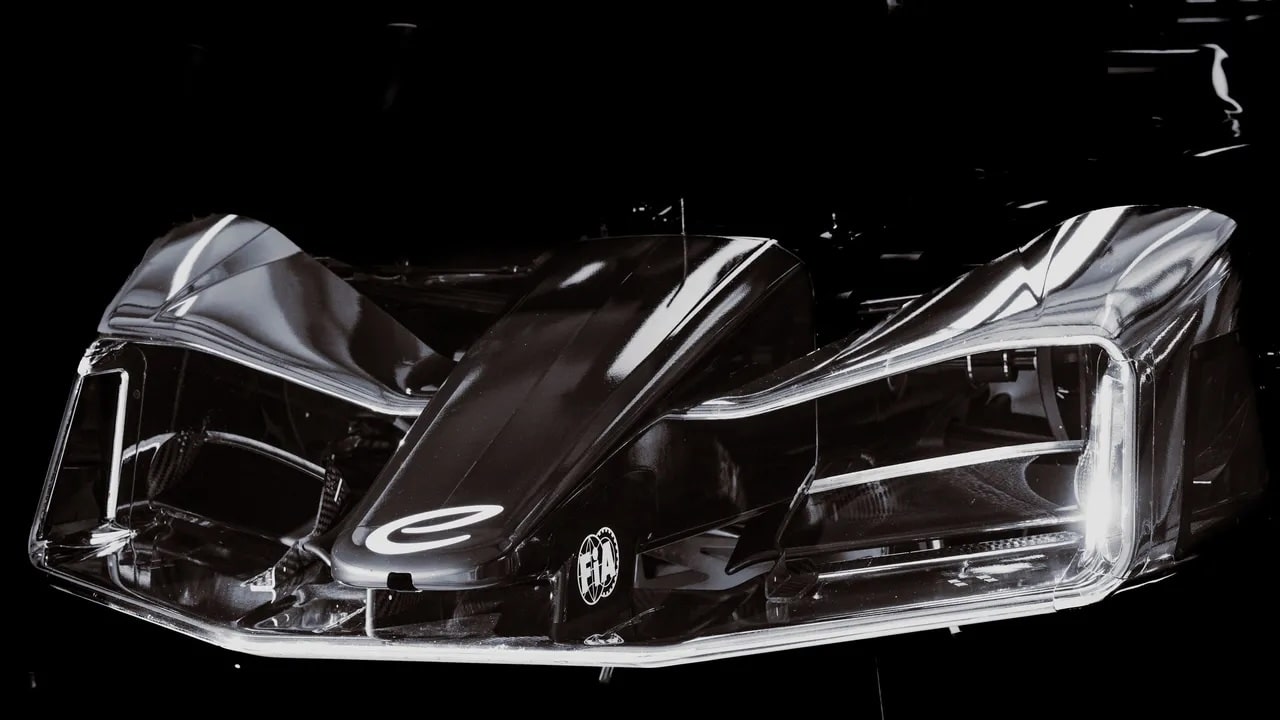
Formula E is reinventing itself once again by boosting the performance and capabilities of its single-seaters in the name of spectacle.
Formula E has just unveiled its new Gen4 single-seater, which will compete in the 2026/27 championship season. This car represents a remarkable leap forward in performance and technology, while maintaining the original essence of the competition.
The chassis, much of the suspension and the battery remain standardised for all teams and manufacturers. Only the software and the electric powertrain, including the rear suspension linked to the motor, remain open to free development. This last point is a novelty, as for the first time the rear suspension can be developed freely, provided it is integrated with the powertrain.
Power also rises significantly. With this fourth generation, race cars will reach 450 kW, with peaks of 600 kW in Attack Mode, compared with the current 300 kW and 350 kW in Attack Mode. Unlike the Gen3 Evo, which only activates the front motor at the start or in Attack Mode, enjoying temporary all-wheel drive, the Gen4 allows both motors to be used in any phase of the race. Regeneration also increases up to 700 kW.
More power and higher-capacity batteries
As one would logically expect, this increase in power, and consequently in energy consumption, must be accompanied by a larger battery capacity. In this fourth generation, its usable capacity grows by 43 per cent, up to 55 kWh, which will undoubtedly have an impact on team strategies.
It is also worth highlighting that the Gen4 is billed as the most sustainable single-seater to date. This claim is based on the use of one hundred per cent recyclable materials, with at least 20 per cent recycled content.
In terms of design, it returns to more classic shapes, moving away from the angular lines of the Gen3. The front and rear wings, larger and standardised, improve aerodynamics and grip without teams being able to invest in their own developments, which reduces excessive wind tunnel spending for very limited results.
Faster single-seaters
Although there are no official figures yet, some tests carried out with the FIA suggest that this new single-seater will be much faster than the current Gen3 Evo. According to Jeff Dodds, Formula E’s chief, qualifying laps could be up to five seconds quicker, bringing them closer to Formula 2 level. Manufacturers will receive their first Gen4 chassis after the initial tests to integrate their own systems, ahead of joint testing in autumn 2026.
“Co-developed with the FIA, the Gen4 single-seater is the most advanced, demanding and sustainable machine we have created, redefining the limits of performance and environmental responsibility.”


 Peugeot E-208 GTi: a battery-powered toy that revives the spirit of the 1980s sports cars
 New Lexus ES: luxury grows and goes electric
 First contact with the Dacia Sandero Hybrid 155: power and efficiency from €19,890
Deja un comentario