NIO puts the brakes on its expansion in the European market
 Javier Cantagalli
5 June 2026
2 min.
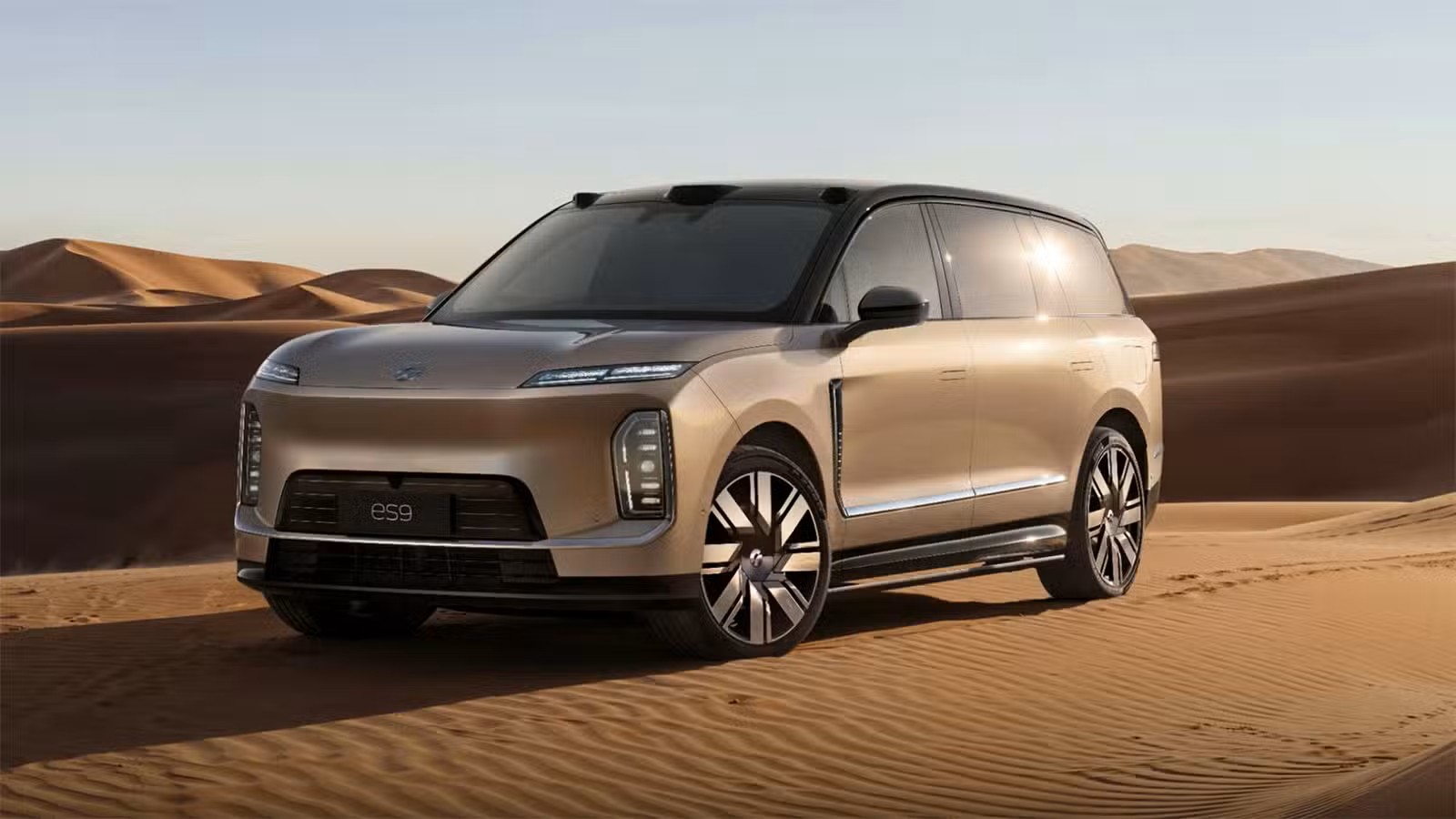
NIO opts for a strategic pause abroad, which especially affects Europe, in order to strengthen its position in its own market.
NIO has decided to slow the pace of its expansion into foreign markets, a move that especially affects Europe, in order to concentrate its efforts and resources on its home market. This was announced by its founder and CEO, William Li. In his own words, the Chinese manufacturer does not plan to launch model updates or open new battery swap stations outside China before the end of 2027.
NIO will therefore temporarily hit the brakes on its European expansion strategy, following the leak of a restructuring plan for its European business in early March and the departure of its German CEO, David Sultzer.
This decision reflects the poor performance of operations outside China. NIO began its European journey in Norway in 2021 and then spread to Germany, the Netherlands, Sweden, Denmark, Belgium and Portugal. However, in 2025 it registered only 1,129 vehicles across these seven countries. In Germany, its main market in the region, the figures are especially worrying: just one vehicle in April and nine between January and April, with an annual total of 325 units, down from 398 the previous year.
Time to tighten the belt
Besides weak sales, NIO also faces high structural costs. Initially it replicated its Chinese model of vertical integration in Europe, with premium stores in expensive central locations, its own workshops and battery swap stations. Now, however, the Chinese company is shifting toward an “asset-light” model in Germany, the Netherlands and Sweden, partnering with local distributors. In Norway, its strongest market in the region, it will nevertheless keep direct sales for the time being.
NIO also has no plans to introduce in Europe vehicles larger than the ET7 sedan, nor to implement the NT2.5 platform, despite the updates already being applied in China. Likewise, the first models based on the new 900-volt NT3 platform will not reach the European market before the end of 2027 or the beginning of 2028. European customers hoping for flagship models such as the ES9 SUV or the ET9 saloon will therefore have to be patient.
As a consequence of this new strategy, over the coming months NIO will try to get rid of the stock of older vehicles still remaining in Europe, where no new swap or charging stations will be built, opting instead for alliances with third parties.


 Peugeot E-208 GTi: a battery-powered toy that revives the spirit of the 1980s sports cars
 New Lexus ES: luxury grows and goes electric
 First contact with the Dacia Sandero Hybrid 155: power and efficiency from €19,890
Deja un comentario