Tesla begins withdrawing human supervisors from the trips made by its Robotaxis
 Javier Cantagalli
27 January 2026
3 min.
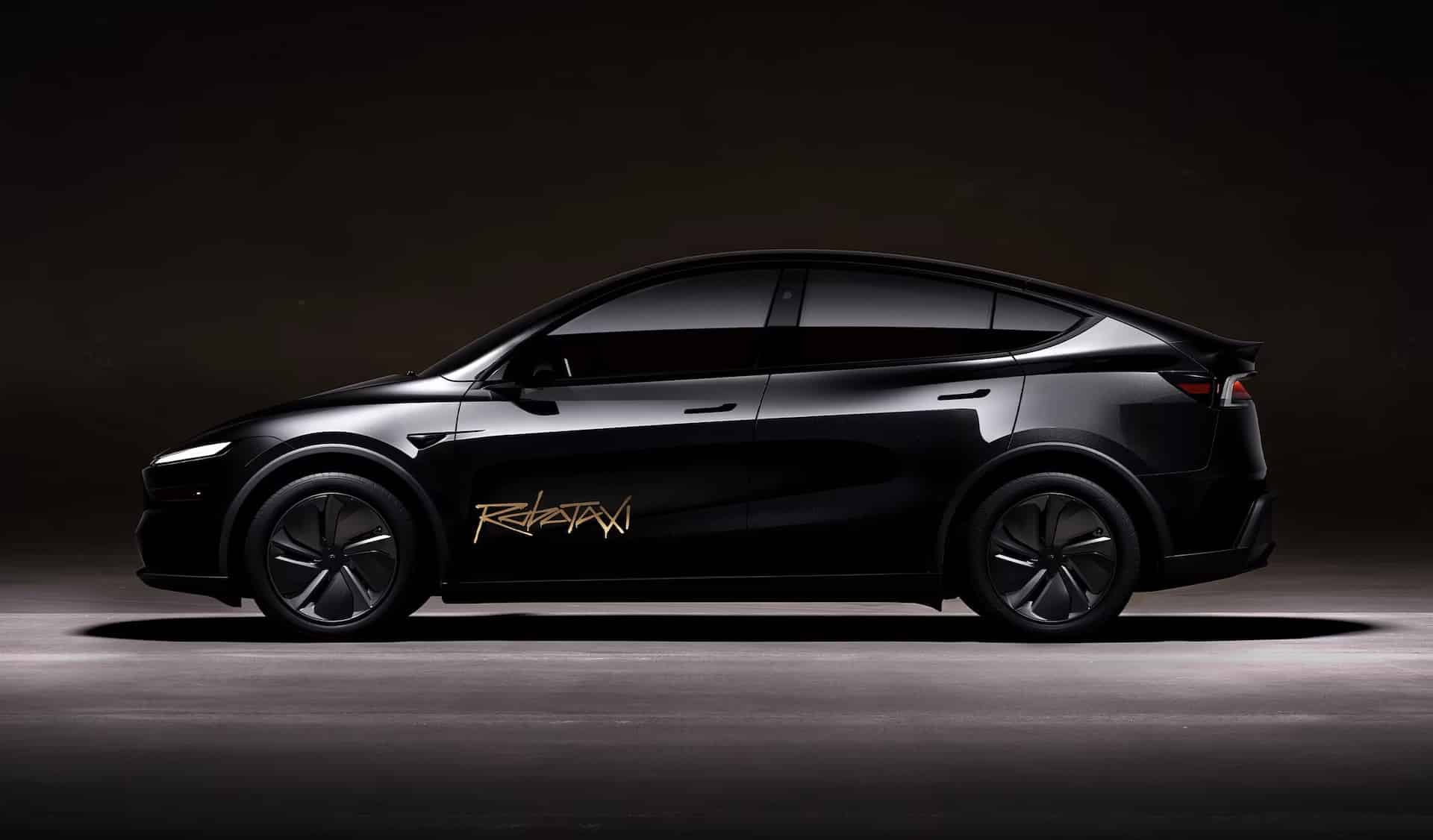
The gradual withdrawal of safety supervisors from the robotaxis operating in Austin marks a turning point in the race for autonomous mobility, although the road ahead is still a demanding one.
Tesla has just taken a truly important step forward toward fully autonomous driving, after confirming that it has begun removing, in some of its robotaxis operating in the city of Austin, the human supervisors who have been occupying the front right seat of their vehicles for safety reasons. These robotaxis will therefore carry out all trips only with the passengers who request the service.
It was Elon Musk himself who announced the news in a post on the social network X, then congratulating the entire Artificial Intelligence team at Tesla on the great work they are doing.
Since the launch of Tesla’s Robotaxi service in the Texan city of Austin in June of last year, there has always been a safety supervisor in the passenger seat. In the San Francisco Bay Area, where the service also operates, one of these employees still travels in every robotaxi, monitoring each trip.
Slowly but surely
The removal of these safety supervisors from the robotaxis operating in Austin will be extended to a larger number of vehicles gradually, as explained by Ashok Elluswamy, currently head of autonomous software at Tesla. Initially, only a few vehicles will carry out trips without these supervisors, and little by little, as it is verified that the robotaxis can complete trips with full safety, they will be withdrawn from a greater number of vehicles.
Once all safety supervisors have been removed from the entire robotaxi fleet in circulation in the city of Austin, the next challenge for Tesla will be to follow the same path in other American cities where its robotaxis also operate. The success of this process is essential for Tesla, since the company plans to begin series production of the Cybercab next April , a two-seater vehicle with no steering wheel or pedals, leaving no room for a safety supervisor.
It remains to be seen, on the other hand, when the advanced driving capabilities that the company’s robotaxis are demonstrating will also reach privately owned Tesla vehicles. In the United States, drivers who purchased the Full Self-Driving (FSD) package or pay the monthly subscription enjoy a truly advanced level of autonomous driving that is impressing users with its good performance. However, Elon Musk himself has already confirmed that the company’s robotaxis use a more advanced version of this software.
Tesla’s long-term vision remains to allow any owner of a Tesla to activate this technology whenever they wish, earning income by putting their vehicle to work as a robotaxi during those hours of the day when they do not need it for their own journeys. Achieving this on a massive and safe scale is an even greater challenge for the company.


 Peugeot E-208 GTi: a battery-powered toy that revives the spirit of the 1980s sports cars
 New Lexus ES: luxury grows and goes electric
 First contact with the Dacia Sandero Hybrid 155: power and efficiency from €19,890
Deja un comentario