Audi BMW e-tron EQB EX40 Genesis GV60 Hyundai IONIQ Ioniq 5 iX1 Macan Mercedes Model Y Porsche Q4 Q4 e-tron Q5 Tesla Volvo Electric Cars Buying Guides Rankings SUV
The 6 premium electric SUVs with the best value for money under €70,000
 Iván Navarro
15 August 2026
6 min.
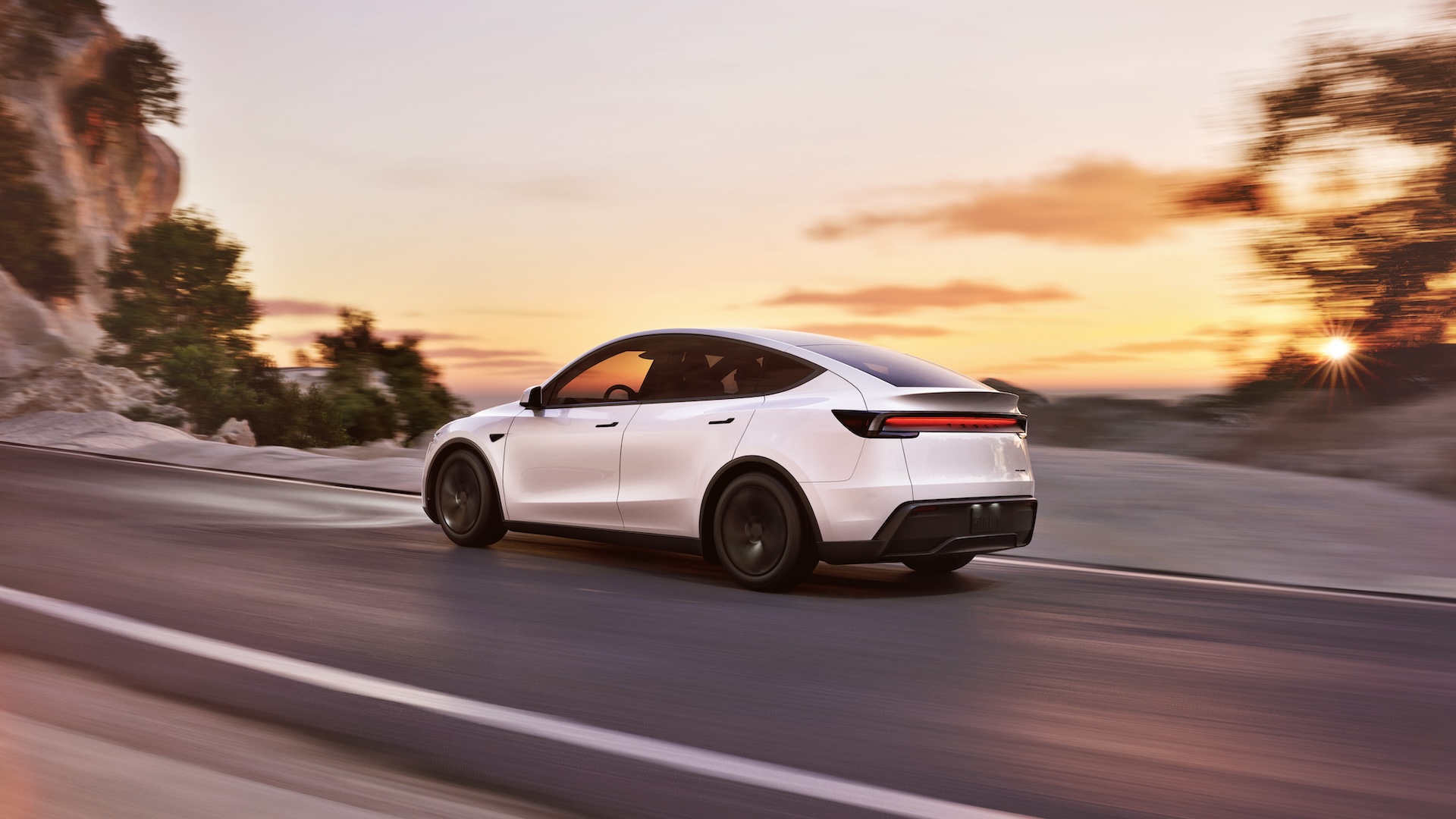
Six premium electric SUVs under €70,000 analysed using verifiable data: WLTP range, charging power, equipment and final price. The definitive ranking for 2026 in the Spanish market.
The premium electric segment has changed its rules. Three years ago, crossing the €60,000 threshold was almost mandatory to access a plug-in SUV with three recognisable letters on the bonnet. Today it is not. The combination of dedicated platforms, cheaper batteries and Asian competition that has forced the German manufacturers to make their move has lowered the entry ticket. And that is precisely the territory we explore here.
We have filtered the Spanish market looking for premium electric SUVs for less than €70,000 with homologated data, real dealership availability and a value-for-money ratio that holds up under cold analysis. No frills.
What defines a premium electric SUV under €70,000 today?
In 2026, a premium electric car is no longer justified by the badge alone. Software, the sustained charging curve from 10-80%, the perceived quality on board and standard equipment all count, without falling into the trap of the configurator. Under €70,000 we expect, at a minimum, 400 km of real WLTP range, fast charging above 130 kW and a complete ADAS package without extras.
Ranking criteria: WLTP range, fast charging and equipment
For this premium electric SUV comparison 2026 we have weighted six variables: WLTP range, maximum DC charging power, engine power, standard equipment, warranty (vehicle and battery) and final price after Plan Auto+. The score runs from 1 to 10 and reflects balance, not the peak of a single figure.
How does Plan Auto+ affect the final price?
Plan Auto+ is the current framework of purchase aid for electrified vehicles in Spain. The amounts change frequently and depend on scrapping — it is advisable to check the official website before signing. In the prices you will see below we mention the starting RRP; the effect of the aid can reduce the bill by between €4,500 and €7,000 depending on the case.
1. BMW iX1 xDrive30 — from €55,900
In our view, the iX1 remains the most honest entry point into German premium electric motoring. It does not shine in a single figure; it shines as a whole: 66 kWh usable, good insulation, steering with the same feel as always and an Android Auto integration that others should copy. That said, charging power stays at 130 kW — competent, but not class-leading.
| Power kW | Power hp | Top speed | WLTP range | Consumption | Label | Fuel |
|---|---|---|---|---|---|---|
| 230 | 313 | 180 km/h | 466 km | 16.8 kWh/100km | Zero | Electric |
2. Audi Q4 e-tron 45 — from €58,400
The Q4 e-tron has just received a relevant update to its battery and software, something we already analysed in detail a few weeks ago. The 45 version with rear-wheel drive is, to my taste, the sweet spot of the range: 286 hp, 562 km WLTP and charging at 165 kW. The interior does not compete with that of a combustion Q5 in terms of feel, but the new MMI system and the throttle response are a clear step forward.
| Power kW | Power hp | Top speed | WLTP range | Consumption | Label | Fuel |
|---|---|---|---|---|---|---|
| 210 | 286 | 180 km/h | 562 km | 15.9 kWh/100km | Zero | Electric |
3. Mercedes-Benz EQB 300 4MATIC — from €62,100
The EQB is the rara avis of the group: seven genuine seats in a premium electric SUV for less than €70,000. The third row is for short journeys, let’s be frank, but it is there. The trade-off is less refined aerodynamics than its rivals, which is why the 66.5 kWh net delivers 423 km WLTP and no more. It pays off if you need modularity; it does not if you do a lot of motorway driving at 130 km/h.
| Power kW | Power hp | Top speed | WLTP range | Consumption | Label | Fuel |
|---|---|---|---|---|---|---|
| 168 | 228 | 160 km/h | 423 km | 18.8 kWh/100km | Zero | Electric |
4. Volvo EX40 Twin Motor — from €59,750
The EX40 has aged well. Its platform is not the latest generation from the Geely group, and it shows in consumption at high speed, but the package still adds up: all-wheel drive, 408 hp, Scandinavian-calibre ride quality and ergonomics that — unlike many rivals — have not succumbed to cramming everything into the screen. As we already saw in its recent review, it remains a reasonable benchmark.
| Power kW | Power hp | Top speed | WLTP range | Consumption | Label | Fuel |
|---|---|---|---|---|---|---|
| 300 | 408 | 180 km/h | 515 km | 17.5 kWh/100km | Zero | Electric |
5. Tesla Model Y Long Range AWD — from €52,990
Yes, Tesla in a premium ranking. One can debate whether the Model Y’s interior matches that of a Q4 e-tron — it does not in terms of materials — but the combination of software, Supercharger network and charging curve remains the benchmark the others are trying to match. 622 km WLTP, 250 kW peak charging and the best total cost of ownership in the group. The 2026 price cut puts it into the club on price.
| Power kW | Power hp | Top speed | WLTP range | Consumption | Label | Fuel |
|---|---|---|---|---|---|---|
| 378 | 514 | 201 km/h | 622 km | 15.2 kWh/100km | Zero | Electric |
6. Genesis GV60 Premium — from €65,900
The Korean outsider deserves a place. It shares the E-GMP platform with the Kia EV6 and the Hyundai Ioniq 5, which translates into an 800V architecture and charging at 233 kW — a figure that in practice means 18 minutes from 10 to 80% with a suitable charger. The interior, Nappa leather and glass details, feels a step above the EQB. The dealer network in Spain, however, is still limited.
| Power kW | Power hp | Top speed | WLTP range | Consumption | Label | Fuel |
|---|---|---|---|---|---|---|
| 234 | 318 | 185 km/h | 517 km | 16.5 kWh/100km | Zero | Electric |
Comparison table: value-for-money ranking 2026
| Position | Model | WLTP range | Max DC charging | Power hp | Price from | Score /10 |
|---|---|---|---|---|---|---|
| Tesla Model Y LR AWD | 622 km | 250 kW | 514 | €52,990 | 9.2 | |
| Audi Q4 e-tron 45 | 562 km | 165 kW | 286 | €58,400 | 8.8 | |
| Genesis GV60 Premium | 517 km | 233 kW | 318 | €65,900 | 8.5 | |
| Volvo EX40 Twin | 515 km | 200 kW | 408 | €59,750 | 8.2 | |
| BMW iX1 xDrive30 | 466 km | 130 kW | 313 | €55,900 | 8.0 | |
| Mercedes EQB 300 | 423 km | 112 kW | 228 | €62,100 | 7.4 |
Verdict: which premium electric SUV to choose based on usage profile
For those who drive a lot on motorways, the Model Y still leads on charging curve and its own network. For those who prioritise finish and driving feel, the Q4 e-tron 45 is the most balanced choice in the group. The GV60 is the rational bet for the user who wants an 800V architecture without going up to the Porsche Macan Electric. And the EQB, with reservations, for families who occasionally need seven seats.
Frequently asked questions
Which premium electric SUV offers the best real-world range under €70,000?
The Tesla Model Y Long Range with 622 km WLTP and real consumption between 16-18 kWh/100km in mixed use. The Audi Q4 e-tron 45 follows closely with 562 km homologated.
Are the Plan Auto+ aids worth it in this segment?
Yes, especially if you hand in a vehicle for scrapping. The aid can reduce the RRP by between €4,500 and €7,000. The exact amounts should be checked on the official website before buying.
Which model has the most efficient fast charging?
The Genesis GV60, thanks to its 800V architecture, allows charging from 10 to 80% in about 18 minutes with a suitable charger. The Model Y uses the Supercharger V3 and V4 network, which is more widespread in Spain.
Is a premium electric car worth it compared with a mainstream one with more range?
It depends on use. For long journeys and perceived quality, yes; for urban commuting and pure cost, a mainstream car with a large battery may offer a better equation. The key is the total cost over five years, not the RRP.
Technical specifications of the cars in this article


 Peugeot E-208 GTi: a battery-powered toy that revives the spirit of the 1980s sports cars
 New Lexus ES: luxury grows and goes electric
 First contact with the Dacia Sandero Hybrid 155: power and efficiency from €19,890
Deja un comentario