The EU is negotiating with China an alternative solution to the special tariffs imposed on imported electric vehicles
 Javier Cantagalli
16 December 2025
2 min.
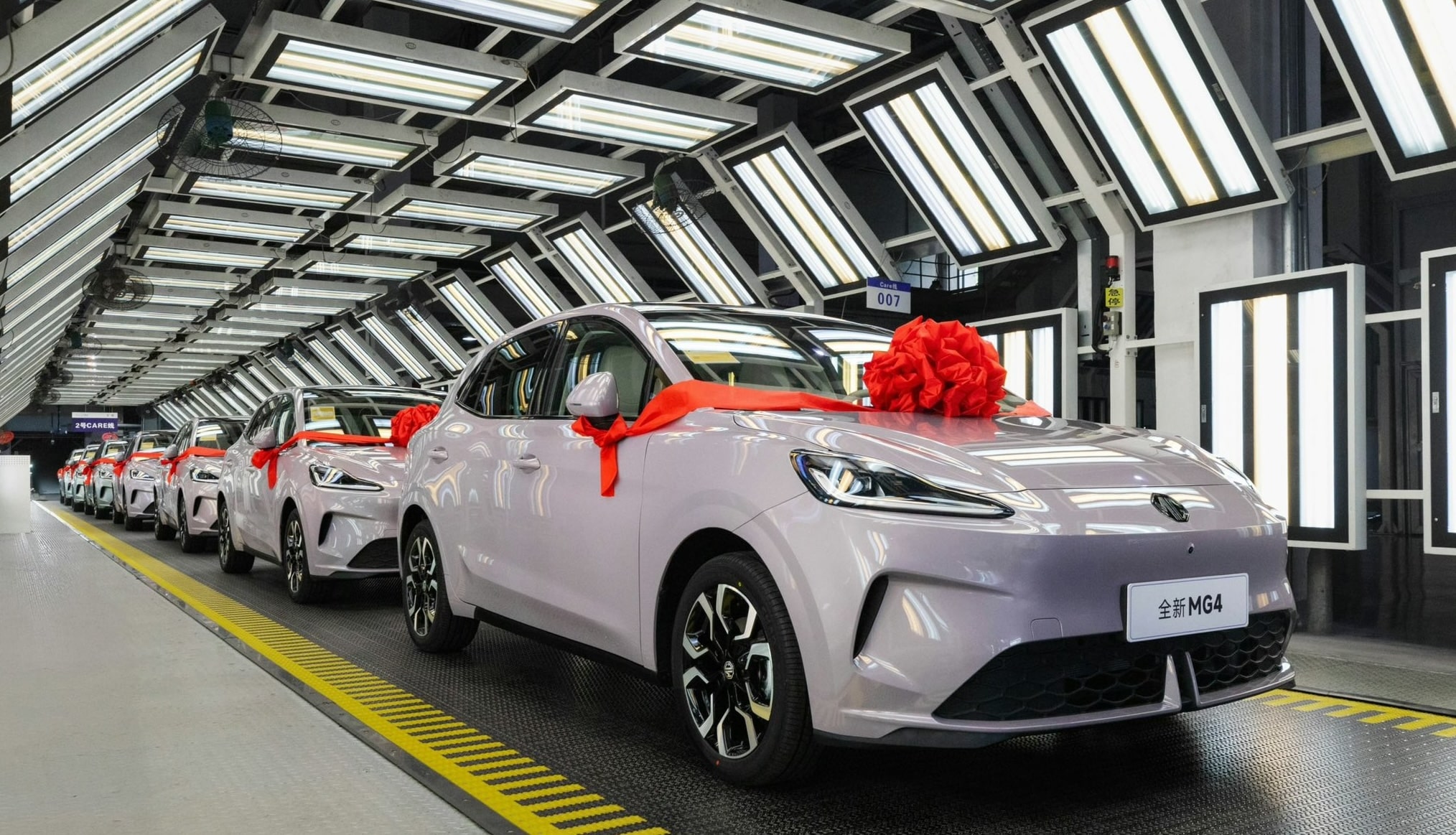
Although a possible agreement still seems a long way off, restarting negotiations already represents an important first step towards that goal.
The European Union and China have sat down at the table, face to face, to explore the possibility of setting minimum prices for electric vehicles imported from China, as an alternative to the special tariffs currently imposed by Brussels. This revival of negotiations comes almost nine months after both sides first explored this option without reaching a concrete agreement.
According to a representative of China’s Ministry of Commerce, the talks have recently resumed and will continue until next week. Following these initial contacts, the Chinese government has expressed its satisfaction at the renewed interest of the EU in resolving the dispute through dialogue, stressing that China highly values the willingness of Europeans to overcome trade differences.
The current willingness to negotiate on the part of European authorities appears to be a consequence of the recent review launched by the European Commission into the tariffs applied to the electric models of a well-known German manufacturer with production plants in China. The high import duty applicable to vehicles produced in China by this manufacturer has led it to ask European authorities for a review of its situation, suggesting replacing this levy with a commitment that includes annual import quotas and a minimum entry price.
Either all or none
Beijing has explicitly warned against bilateral negotiations between the EU and individual manufacturers, insisting on the need for collective treatment to preserve trust. Likewise, China remains firm, asserting that its advantage in the electric vehicle market is due to its greater natural competitiveness, not to unfair subsidies.
Despite this important progress in relations between the EU and China, experts see a quick resolution as difficult. The EU has applied minimum price agreements to homogeneous raw materials, but never to products as complex as fully assembled automobiles. Brussels maintains that a single fixed price would not sufficiently offset the damage caused by alleged Chinese subsidies. For now, the outcome of these talks remains uncertain, in a context of trade tensions that profoundly affect the European and Chinese automotive industries.


 Peugeot E-208 GTi: a battery-powered toy that revives the spirit of the 1980s sports cars
 New Lexus ES: luxury grows and goes electric
 First contact with the Dacia Sandero Hybrid 155: power and efficiency from €19,890
Deja un comentario