The European Union is considering removing tariffs on Chinese cars
 Victor Alós Yus @sepelaci
13 January 2026
2 min.
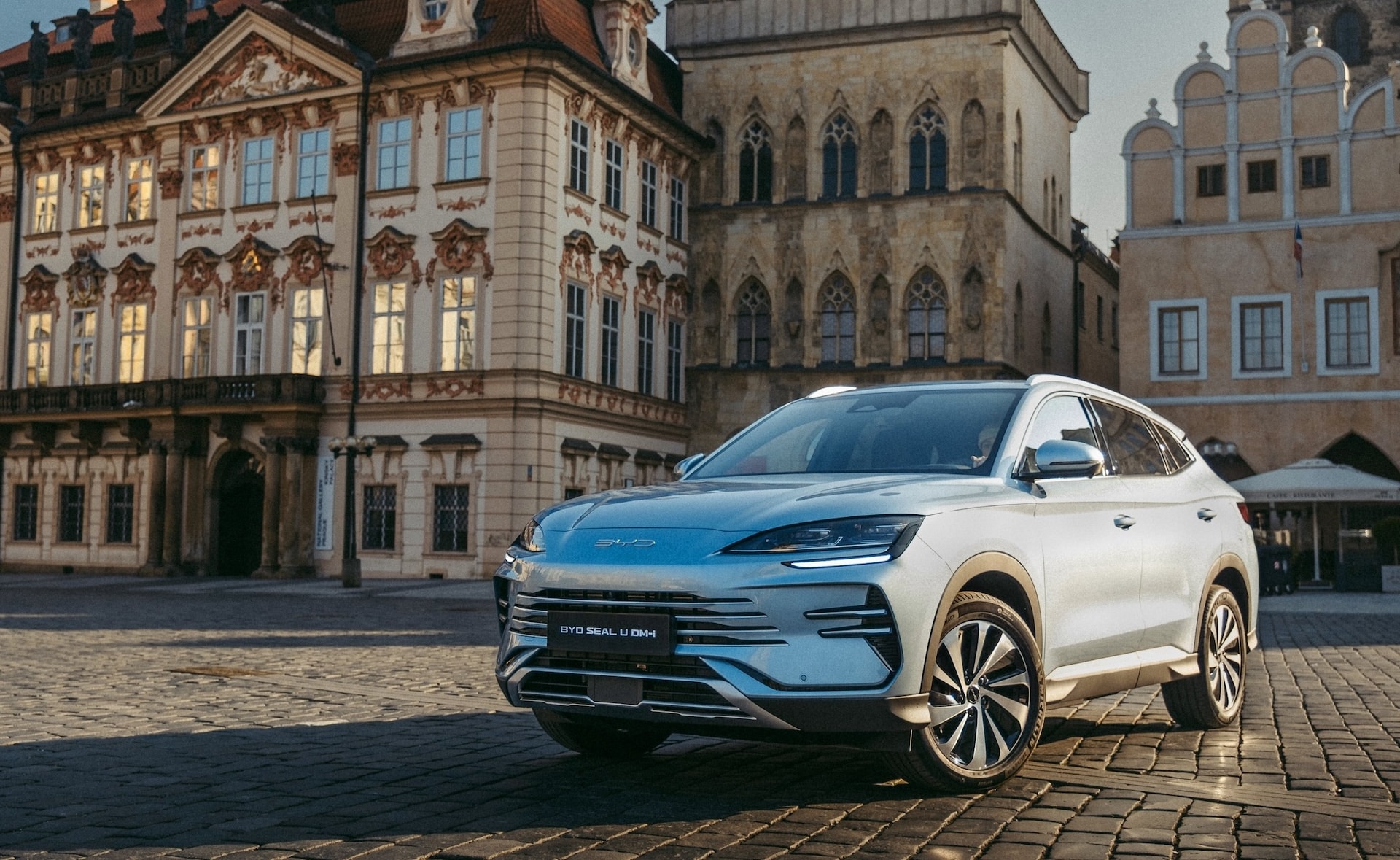
The European Union is weighing whether to eliminate the tariffs it applies to cars imported from China, although it has not yet been confirmed what will replace them.
A little over a year and a half ago, the European Union introduced tariffs on the prices of cars imported from China. Since then, a variable percentage has applied depending on the subsidies that the different brands receive from the Chinese government. Always, of course, according to the data held by the EU. This means that some brands faced a minimum tariff while others were hit with rates of up to 45% of the selling price of each unit.
However, over these months there have been several economic clashes, dialogue between the European body and the Chinese government, and considerable economic tensions. Indeed, the application of these tariffs has caused problems for at least one European brand, which had moved production of some of its models to plants located in China.
In addition, plug-in hybrid cars are not burdened by these duties, so their prices have not risen and their sales are very high in the European market, meaning the real benefits of the measure have not been as effective as expected.
For all these reasons, the European Union is considering the possibility of eliminating the tariffs, although everything is still under study. However, the European Union does not want Chinese cars to set the pace of the market, so a different solution is being considered, one that would still protect European brands’ cars.
The idea is to set minimum prices for imported cars, according to several criteria that will have to be assessed at the appropriate time. Brands will have to submit proposed prices “adequate to eliminate the harmful effects of the subsidies and provide an effect equivalent to the tariffs,” as reported by a Chinese media outlet. To assess this minimum price, future investments made in Europe will also be taken into account, something that will work in the brands’ favour.
For now, everything remains a project that has not been confirmed, but if it becomes a reality, it will considerably change the European market and its relationship with Chinese brands, although it is not known what effect it will have in practice on European brands.


 Peugeot E-208 GTi: a battery-powered toy that revives the spirit of the 1980s sports cars
 New Lexus ES: luxury grows and goes electric
 First contact with the Dacia Sandero Hybrid 155: power and efficiency from €19,890
Deja un comentario