Dacia Spring Electric Electric Cars Urban
The second-generation Dacia Spring is on its way and will be produced in Europe
 Javier Cantagalli
19 September 2026
3 min.
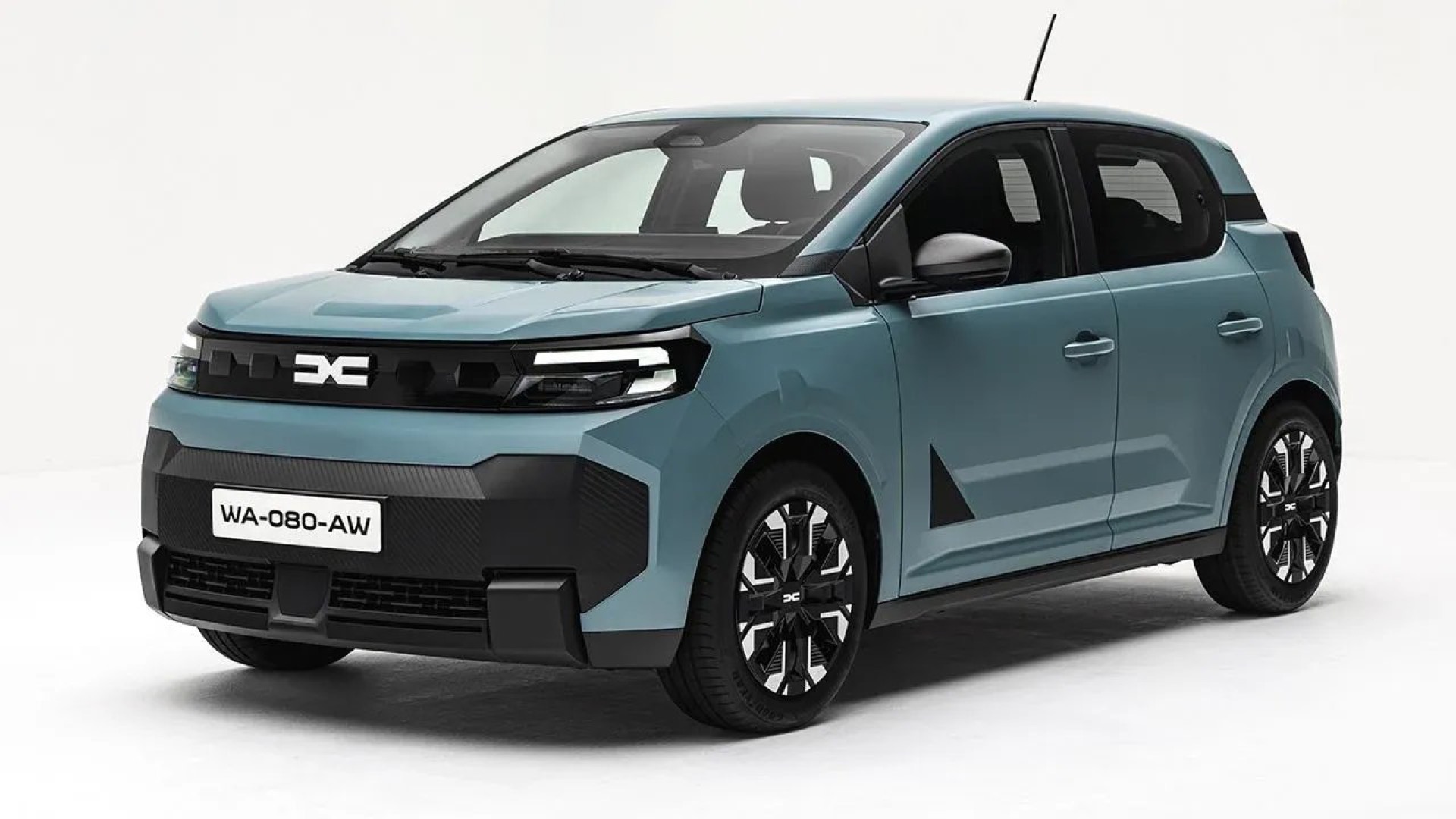
The second generation of the Spring stays true to its origins: a simple, functional electric city car whose main appeal is its price.
Dacia has recently unveiled the second generation of the Spring. This new model will see its production moved from Wuhan, China, to the Slovenian plant in Novo Mesto. The second-generation Spring will roll off the same assembly line as the Twingo E-Tech, with which it shares the RG-EV platform of the Renault group. The entire range sits below 20,000 euros, and prices start at just 17,900 euros.
The Romanian brand keeps its recipe: discreet colours, a sturdy look and plenty of optional extras. There are only four paints —Agave, slate grey, diamond black and glacier white— compared with the lively palette of Renault. The Spring does not aim to be a flashy car; it is an affordable electric car for those who prioritise price or are looking for a second urban vehicle.
Although the new Spring will use the same technical base as the Twingo, Dacia will position it differently. Choosing Dacia’s electric city car over the Twingo means accepting certain compromises: for example, DC fast charging is optional and the entry-level version has no navigation. The aim is to attract price-sensitive customers without cannibalising the more playful, retro Twingo.
You choose
There are two trims, Expression and Journey, but only one powertrain: a front-mounted 60 kW motor and a LFP battery with 27.5 kWh of usable capacity. The WLTP-rated range reaches 250 km, 25 km more than the previous generation, although slightly less than the Twingo offers due to less favourable aerodynamics. It accelerates from 0 to 100 km/h in 12.5 seconds and reaches 130 km/h. These characteristics position it as a fundamentally urban vehicle.
As standard it charges on AC at 6.6 kW; it is possible to increase the charge from 15 to 80 per cent in under three hours. An optional 11 kW charger with V2L function or a 50 kW DC system is also available, allowing a charge from 10 to 80% in about half an hour. With 250 km of range, long journeys still require stops.
In terms of dimensions, the new Spring grows: 3.85 metres long and 1.74 metres wide (without mirrors), 15 cm longer and 18 cm wider than its predecessor. Interior space increases; the boot reaches 337 litres and 1,283 with the rear seats folded. There is also an optional 18-litre front boot. The weight stays just above 1.2 tonnes.
Dacia states that it is the first model to benefit from the group’s new development processes, with a development cycle of less than two years. Much of the powertrain engineering came from the ACDC centre in Shanghai, in collaboration with CATL and Shanghai e-drive, although Renault and Dacia do not sell their brands in China.
What you really need day to day for your urban journeys
Finally, in terms of equipment, the entry-level Expression version comes with 15-inch steel wheels, manual air conditioning, rear parking sensors and the Media Control system in the digital instrument cluster. One step up, the Journey version adds a rear camera, a 10.1-inch central screen with wireless Apple CarPlay and Android Auto, navigation and 16-inch wheels. In principle, it does not have sliding rear seats or a folding front passenger seat, as the Twingo does.
Orders opened on 15 September and the first deliveries are scheduled for the end of the year. Since 2021, around 210,000 Springs have been sold in Europe. Before 2030, Dacia plans to launch three more electric cars, again with Chinese support in development.


 Peugeot E-208 GTi: a battery-powered toy that revives the spirit of the 1980s sports cars
 New Lexus ES: luxury grows and goes electric
 First contact with the Dacia Sandero Hybrid 155: power and efficiency from €19,890
Deja un comentario