Tiguan Volkswagen Photos Tests SUV
Volkswagen Tiguan 2.0 TDI 140 CV DSG 4M, road test (Exterior design, interior and finishes)
 Diego G. Moreira
23 October 2012
3 min.
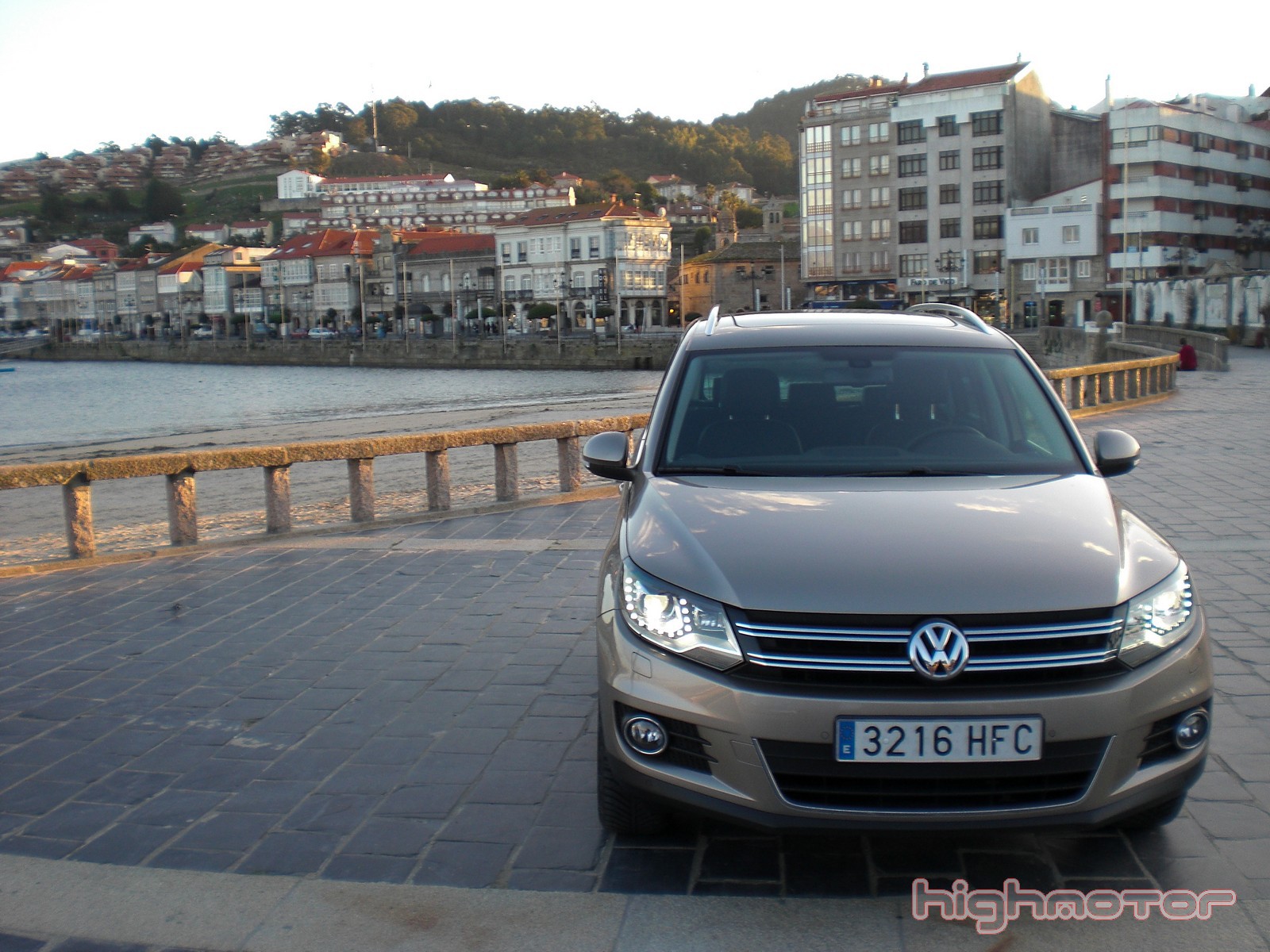
Second part of the road test of the Volkswagen Tiguan 2.0 TDI 140 CV with four-wheel drive and DSG automatic gearbox. In this second part we look at the exterior design, interior design, space, boot and build quality of the finishes.
Now we move on to level two, that is, the second part of the Volkswagen Tiguan we are testing for you. This test will not stand alone, since after the Tiguan will come the road test of the new Mazda CX-5, both with diesel engines and automatic gearboxes.
Returning to our current protagonist, as we previewed yesterday, the Tiguan is a veteran on the market, but that does not mean it is old, far from it. Less than a year ago, the Tiguan received the corresponding facelift for 2012, and this unit we tested is one of the first with the new look.
Exterior design
The changes focus mainly on the exterior of the car, with small variations at the front, grille and new headlights that now feature LED technology (optional) for the daytime running lights. I should point out they are optional, because as standard the daytime running lights are bulb-type, not the LED ones shared with models such as the Touareg.
The facelift also added new colours to the range of the most famous SUV in the German market, one of its most powerful markets. While at the rear, the lights use LED technology and there are few changes on a model with a traditional design and without large lines or futuristic styling; precisely these kinds of designs are the ones that age best over time.
One of the weak points at the rear is the small reversing light; it is a detail of minor importance, but it should have larger dimensions.
Interior design, roominess and finishes
When we get into a Tiguan, the driving position feels familiar; it is the same as in the Golf Plus, though with a slightly higher seating position. The design is sober, typically Volkswagen, with the essentials and everything presented in a practical way.
The quality is decent, not outstanding, especially if we consider that in the upper part there are soft-touch plastics, but in the lower part hard plastics already appear; the Golf has a better overall interior finish. That said, the glovebox compartments are all lined on the inside or have a rubber base, something we also see in the Golf.
The front seats are comfortable; the slightly raised posture gives us good visibility and enough space to travel comfortably in the front seats. However, compared with other SUVs, the front is less spacious and the feeling is more like travelling in a compact than in an SUV.
Meanwhile, in the rear, two adults will travel comfortably, three will be a tighter fit, and it has some practical features, such as the adjustment of the rear seat backrests and individual sliding (in two pieces).
This versatility is very practical, because we can gain space in the boot or in the rear seats depending on our needs at any given moment. A tall person will have no problems travelling in the Tiguan, both in front and in the back; up to 1.90 metres can travel comfortably.
Storage and boot
That the interior derives from the Golf Plus is noticeable in the storage area, because it has plenty of practical solutions inside for keeping our belongings. There are compartments in the centre console, in the central tunnel, and in the glovebox that doubles as an armrest.
The boot has a capacity of 470 litres, with the rear seats moved forward, leaving the largest possible space for the feet. The shapes are regular, and it still offers a good load capacity, within what is normal for the SUV segment.
In the third part we will analyse the Tiguan’s equipment, prices and our overall assessment of the model.
Photos | Diego G. Moreira
Technical specifications of this car


 Peugeot E-208 GTi: a battery-powered toy that revives the spirit of the 1980s sports cars
 New Lexus ES: luxury grows and goes electric
 First contact with the Dacia Sandero Hybrid 155: power and efficiency from €19,890
Deja un comentario